Health Under the Microscope
We investigate popular health claims by separating what people believe from what scientific evidence actually supports. No exaggeration. No fearmongering. Just clear, honest, evidence-based answers.
Our Standardized Evidence Rating System
All 16 Evidence-Based Investigations
Browse claims by category, filter by scientific evidence grade, or search for any food, beverage, or biological claim.
Showing 16 of 16 in-depth investigations
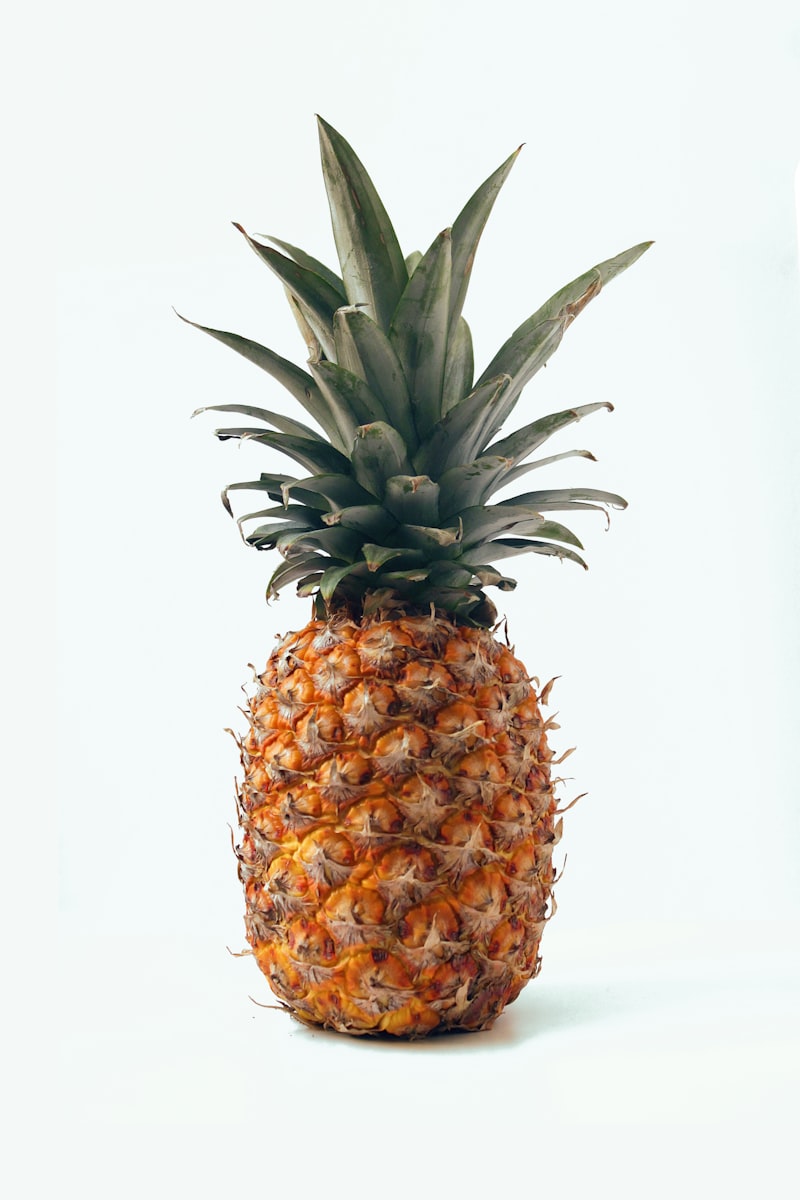
Does Pineapple Really Clear Your Lungs?
Pineapple is nutritious, but the viral claim that it "cleans" or "detoxes" the lungs is not supported by strong human evidence. We explain the real science behind bromelain and mucociliary clearance.
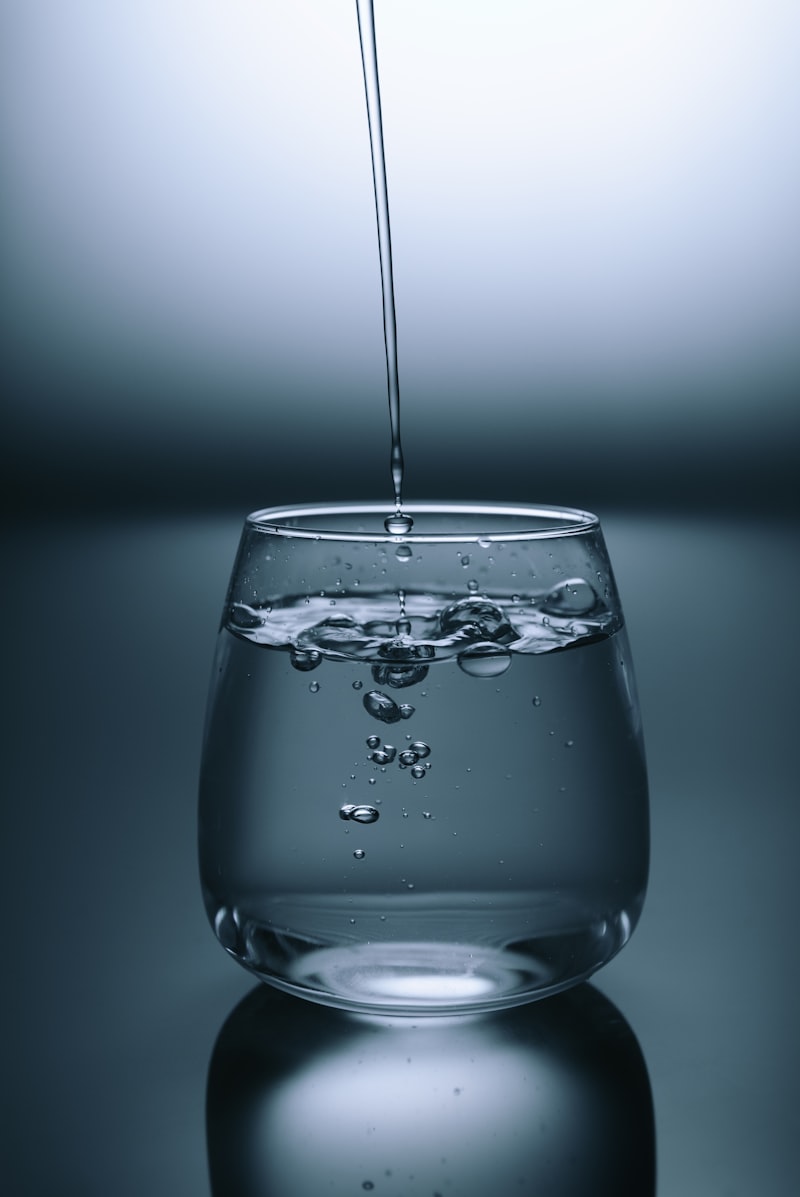
How Does Drinking Enough Water Protect Your Health?
Water is essential for kidney filtration, blood circulation, and temperature regulation — but your body actively regulates its water balance. "Flushing toxins" is an oversimplification.

How Does Sunlight Affect Your Body? — The Complete Science
Sunlight enables vitamin D synthesis, regulates your circadian clock, and influences mood — but excessive UV causes DNA damage. The goal is appropriate exposure, not maximum exposure.

Can Yogurt Really Improve Gut Health?
Yogurt with live cultures can support gut diversity, but not all yogurts are equal. Added sugar, strain specificity, and marketing exaggeration all matter.
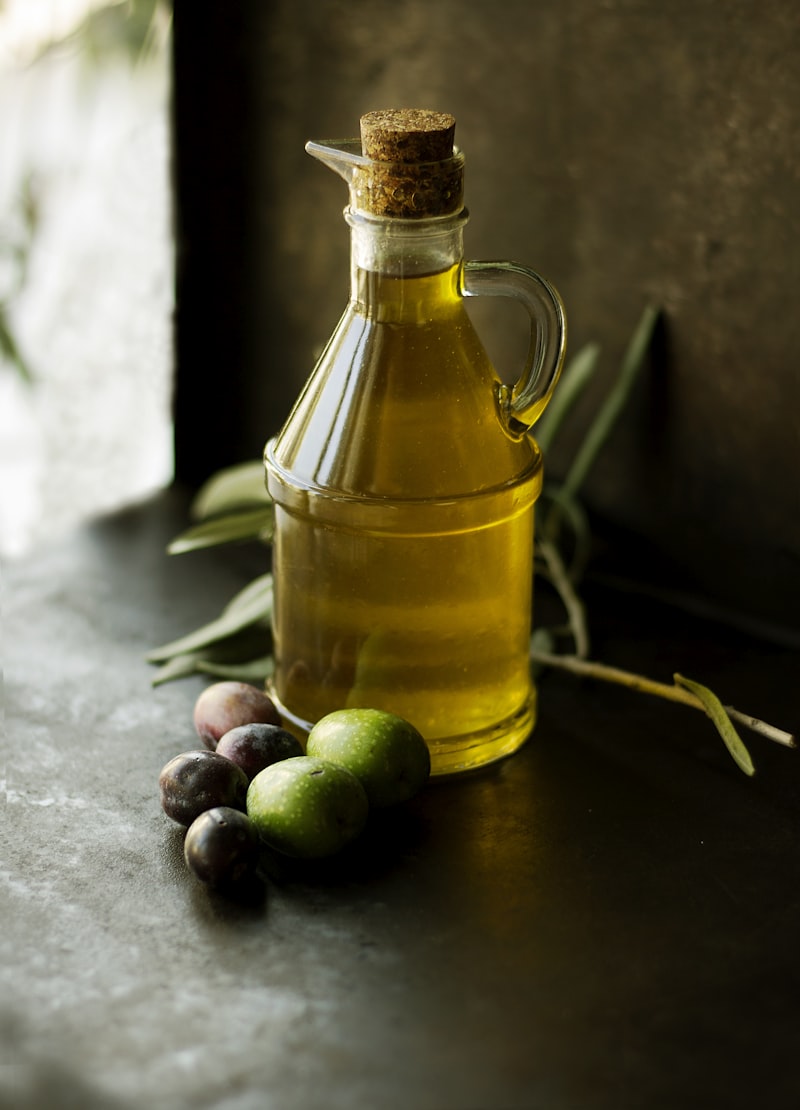
Does Olive Oil Really Protect Your Heart?
Extra-virgin olive oil provides monounsaturated fats and polyphenols that benefit cardiovascular health when replacing saturated fats, supported by PREDIMED trial research.

Does Your Body Really Need a "Detox"?
Your liver and kidneys filter, conjugate, and excrete waste continuously. Commercial cleanses, detox teas, and juice fasts lack clinical proof of removing physiological toxins.
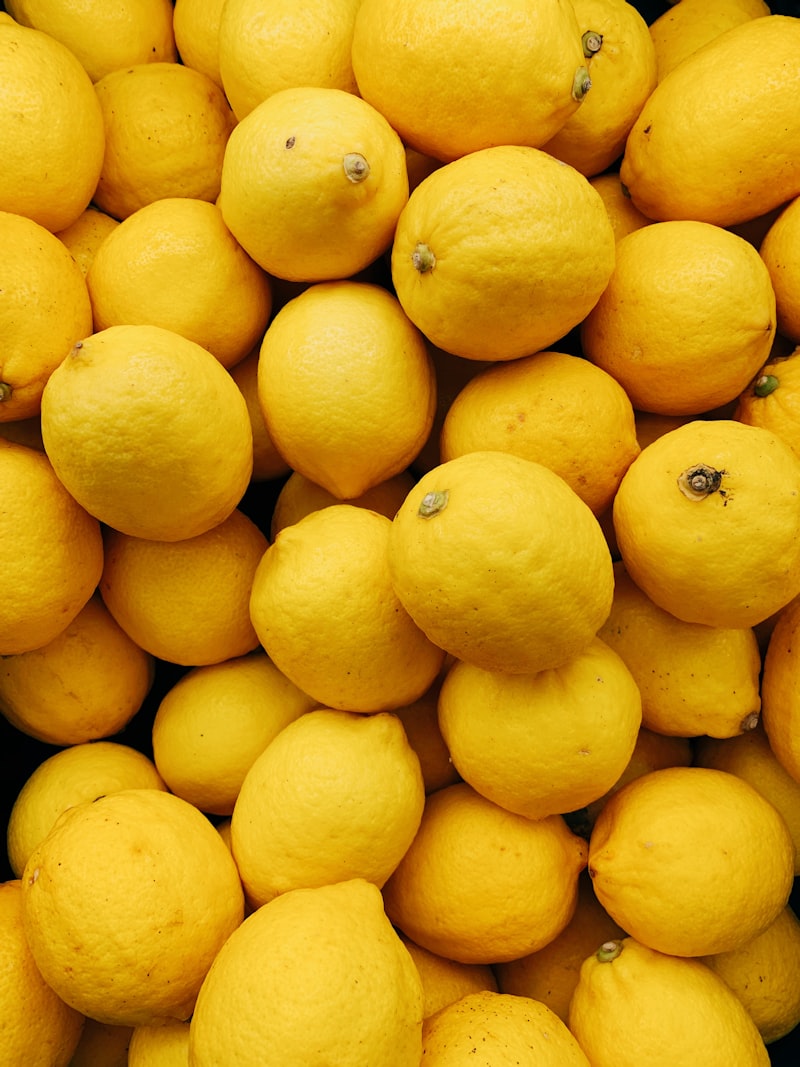
Does Lemon Water Actually Detox Your Body?
Lemon water hydrates and provides small amounts of vitamin C, but cannot "alkalize" your blood or flush specific toxins from your liver and kidneys.
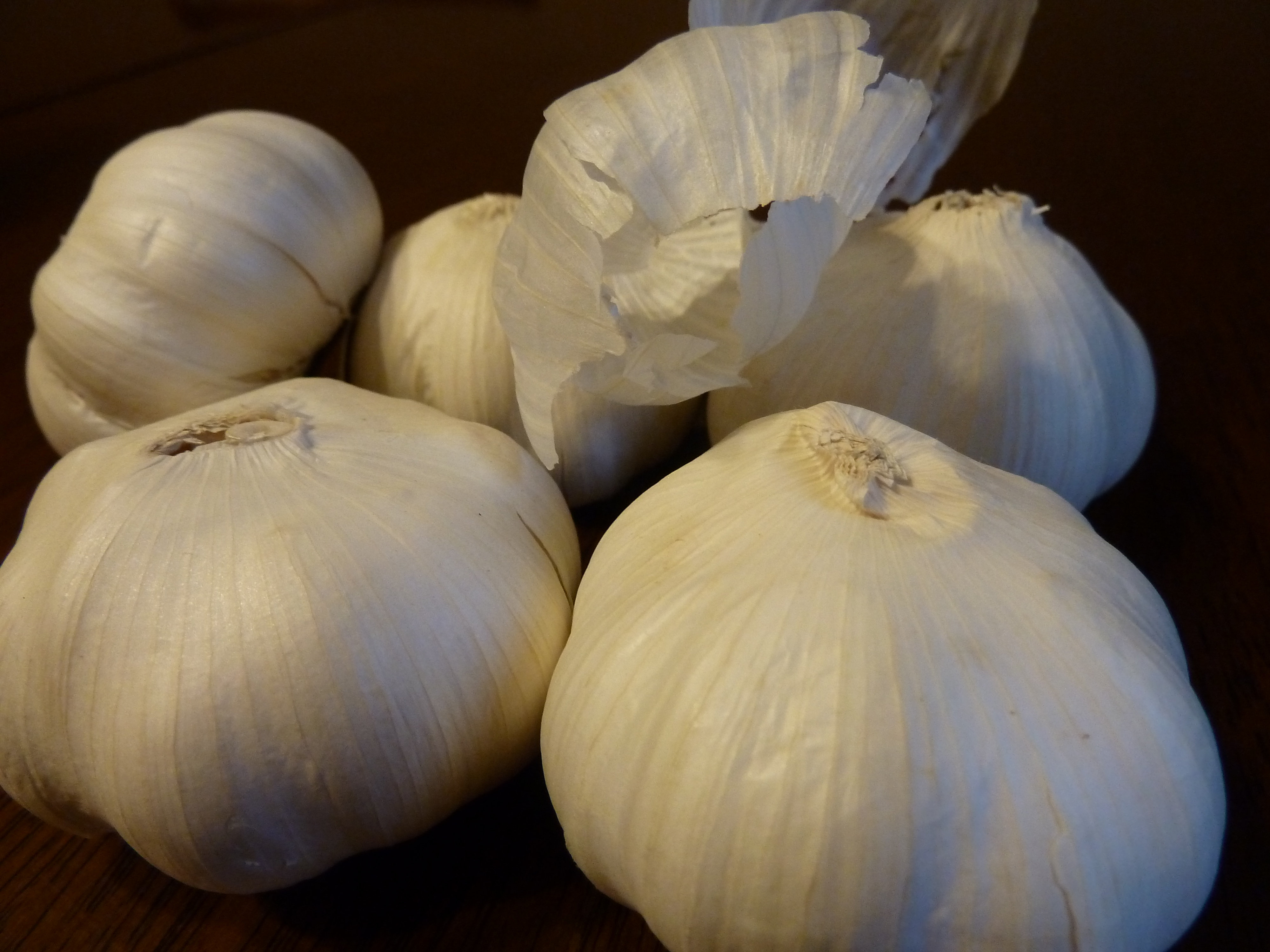
Does Garlic Really Boost Immunity?
Allicin exhibits antimicrobial properties in test tubes, but clinical human evidence that eating garlic prevents colds or boosts overall immune response remains limited.
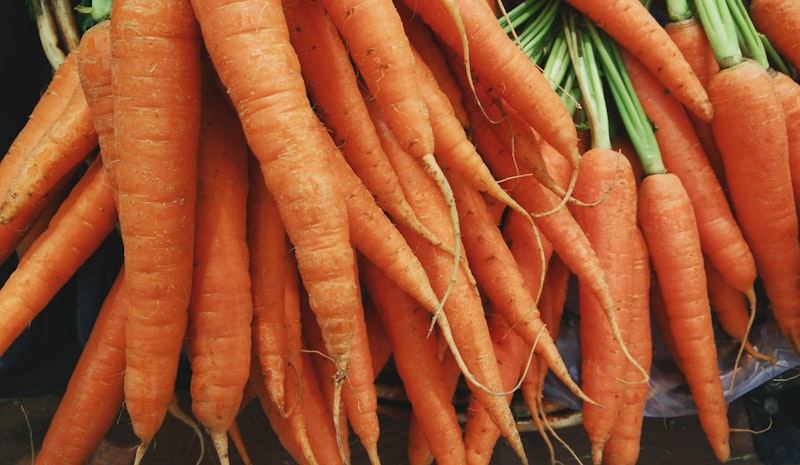
Can Carrots Improve Your Eyesight?
Beta-carotene is converted into retinal for rod photoreceptors, preventing deficiency-related night blindness, but carrots cannot alter eyeball anatomy or reverse refractive errors like myopia.
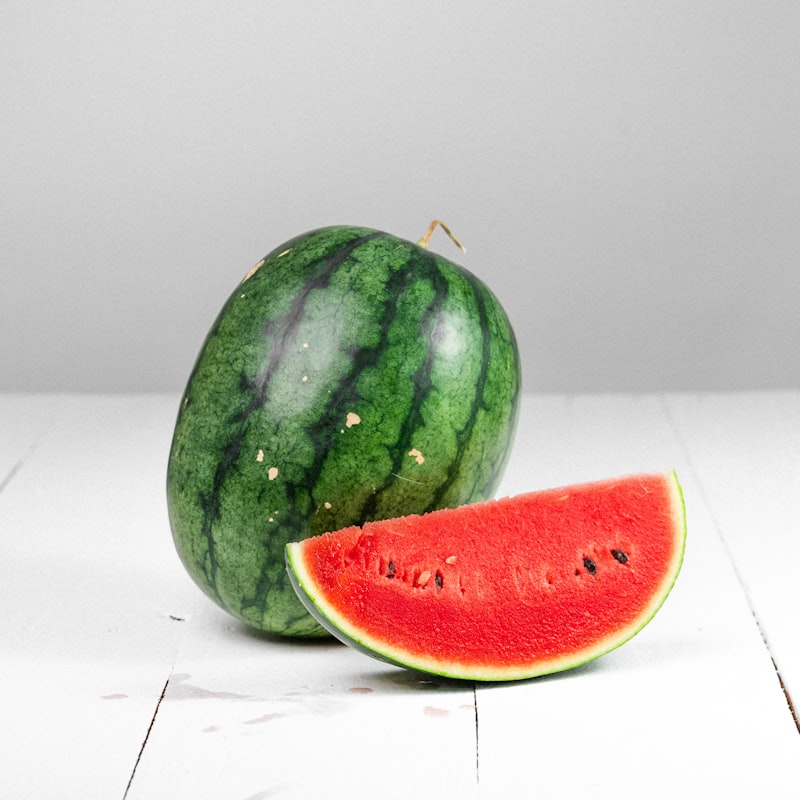
Does Honey Really Help With Coughs?
Clinical trials and systematic reviews show honey acts as an effective demulcent for coughs in children over 1 year, but it should never be given to infants under 12 months due to botulism risk.
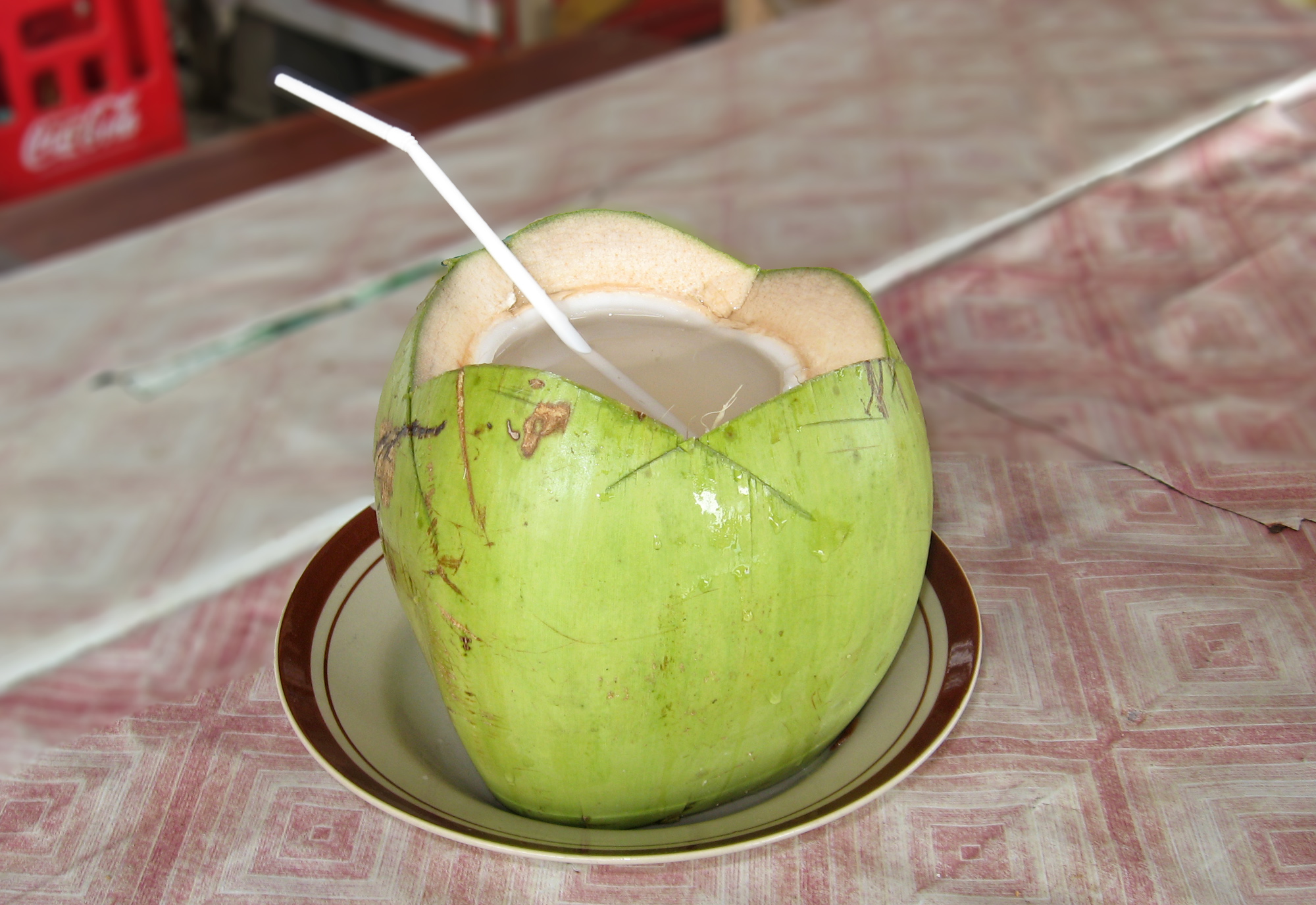
Is Coconut Water Better Than Plain Water?
Coconut water provides potassium and natural electrolytes, but lacks sufficient sodium for heavy rehydration and offers no measurable hydration advantage over water for normal daily needs.
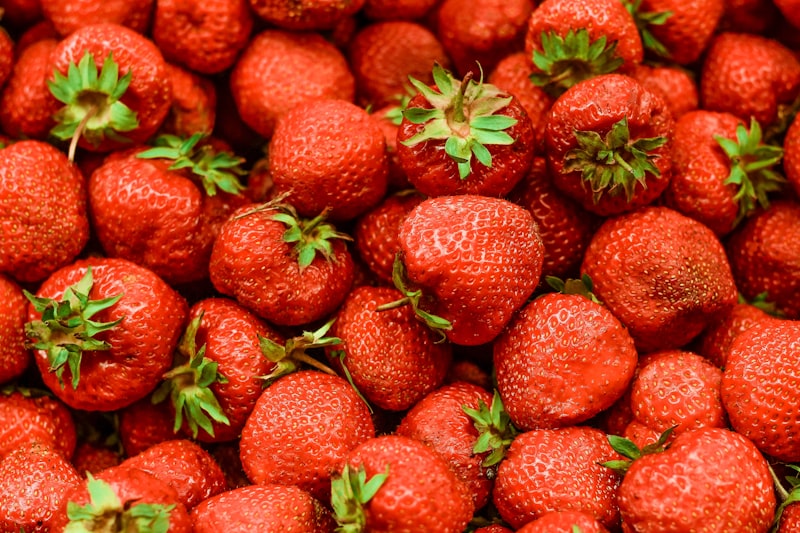
Are Antioxidant Foods Really "Anti-Aging"?
Dietary antioxidants neutralize free radicals in laboratory assays, but human aging involves complex cellular senescence, telomere shortening, and genomic alterations that foods cannot halt.
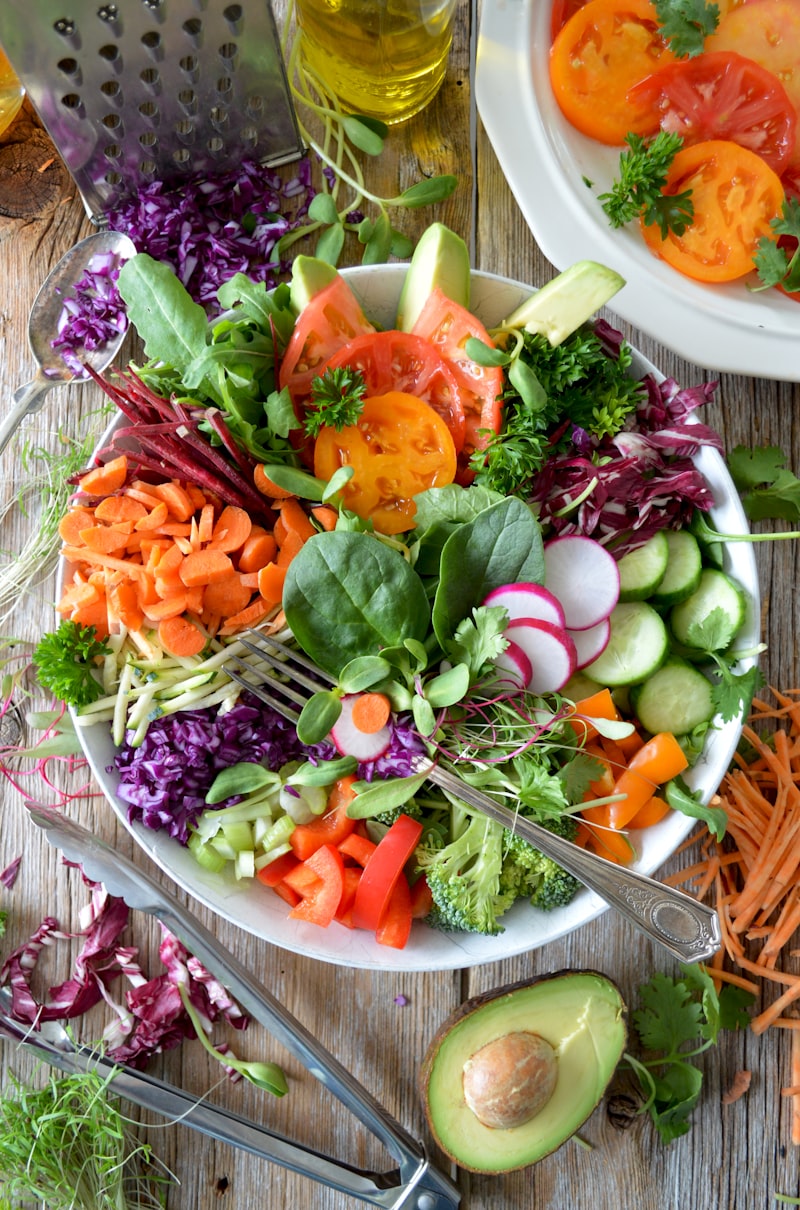
Can Green Vegetables Remove Toxins From Your Body?
Greens deliver essential fiber, folate, and sulforaphane that support liver Phase II pathways and gut motility, but they do not physically bind and extract toxins from organs.

Does Coffee Dehydrate You?
Controlled hydration studies demonstrate that moderate coffee intake (3–4 cups daily) does not dehydrate habitual drinkers because the fluid in coffee offsets mild caffeine-induced diuresis.

Does Spicy Food Actually Boost Metabolism?
Capsaicin triggers TRPV1 receptors and transiently raises diet-induced thermogenesis by approximately 50 calories per day, but this trivial increase does not yield clinically meaningful fat loss.
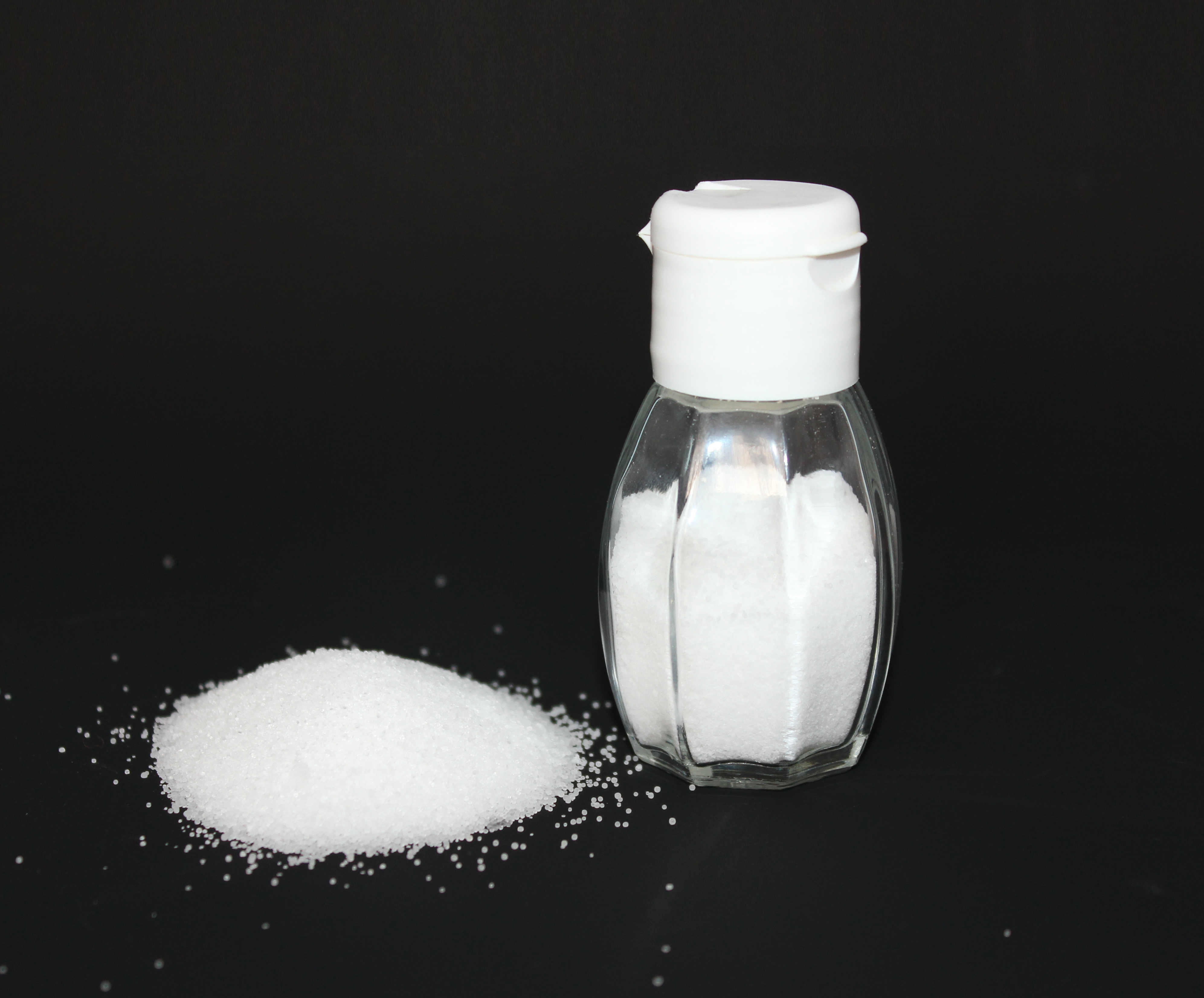
How Does Too Much Salt Affect Your Body?
Chronic excess sodium expands extracellular fluid volume and elevates systemic vascular resistance, directly accelerating hypertension, endothelial dysfunction, and cardiovascular risk.
How We Investigate Health Claims
Every single article answers four mandatory questions to deliver complete clarity without marketing bias.
WHAT?
What is the substance, food, habit, or claim being investigated?
HOW?
What actually happens inside the body? Step-by-step biological mechanism.
WHY?
Why does that biological process matter for your health?
DOES IT WORK?
What does human scientific evidence actually show? Honest verdict.
Strict Medical Accuracy Standards
We never diagnose visitors, promise cures, exaggerate benefits, present test-tube findings as human proof, or claim foods replace medical treatment. We consistently distinguish between what is established fact, biologically plausible, uncertain, and unsupported or misleading.
Don't Believe Everything You Read on Social Media
Health misinformation travels fast. Our mission is to give you the objective biological facts — what the human body actually does, and what scientific trials actually show.