

Does Garlic Really Boost Immunity? 🧄
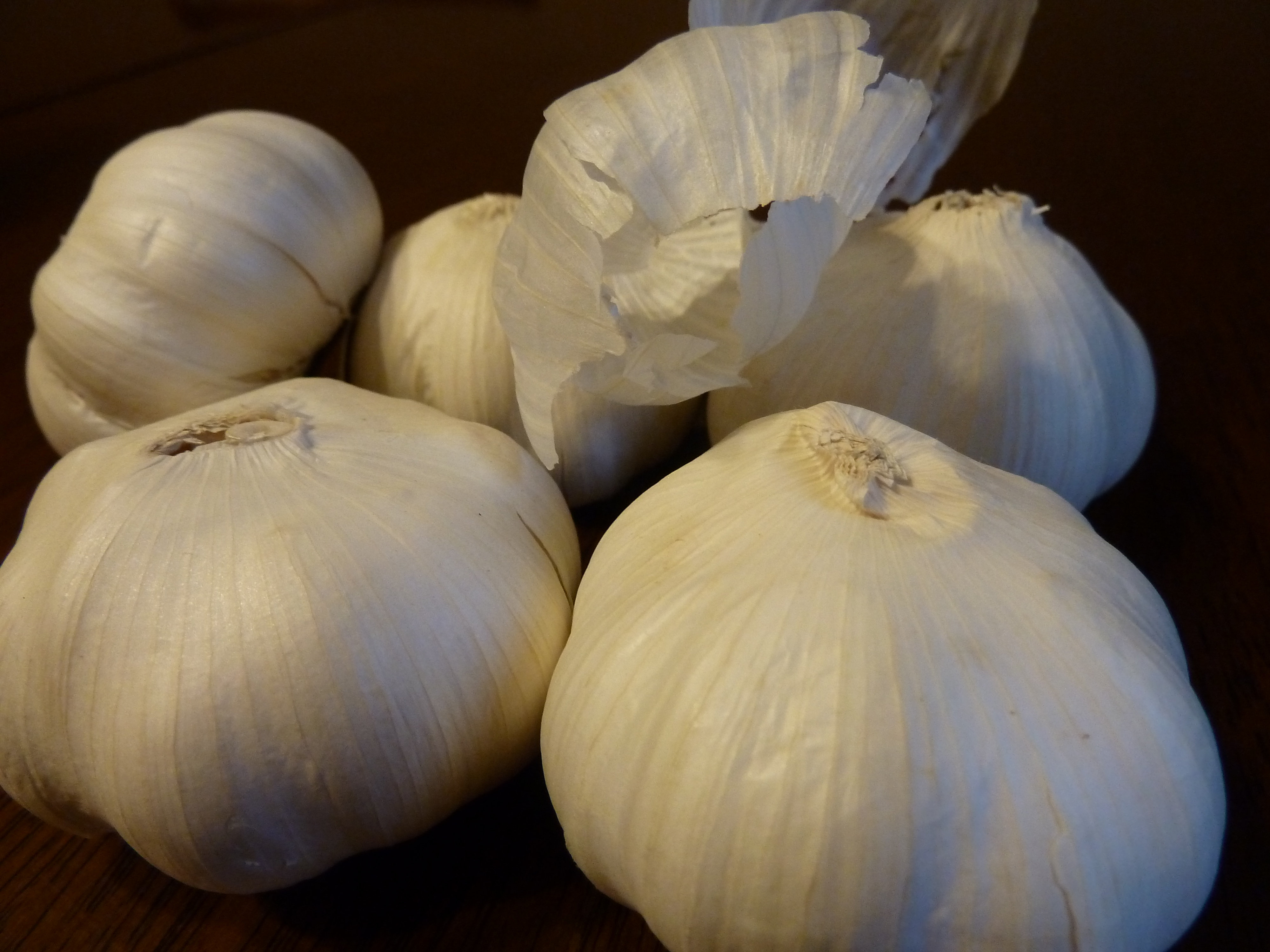
Garlic contains allicin and other sulfur compounds with demonstrated antimicrobial and anti-inflammatory properties in laboratory studies. However, the popular claim that eating garlic "boosts your immune system" oversimplifies complex immunology. While garlic may support overall health as part of a balanced diet, it is not a proven immune system enhancer in the way marketing suggests.
Key Takeaway
Garlic has health benefits, but it does not act as a magic switch to "boost" the immune system.
The Claim Explained
"Garlic boosts immunity" is arguably one of the most widespread natural remedy claims globally. Across many cultures, generations have passed down the tradition of consuming raw garlic, garlic tea, or garlic soup at the first sign of a cold or flu.
In recent decades, this traditional wisdom has evolved into a massive industry. Modern marketing frequently positions garlic extracts, aged garlic supplements, and garlic pills as scientifically proven ways to "strengthen your immune system," "fight off viruses," and "prevent sickness." The fundamental premise is that consuming garlic acts like a power-up for your body's natural defenses.
What's in Garlic? Active Compounds
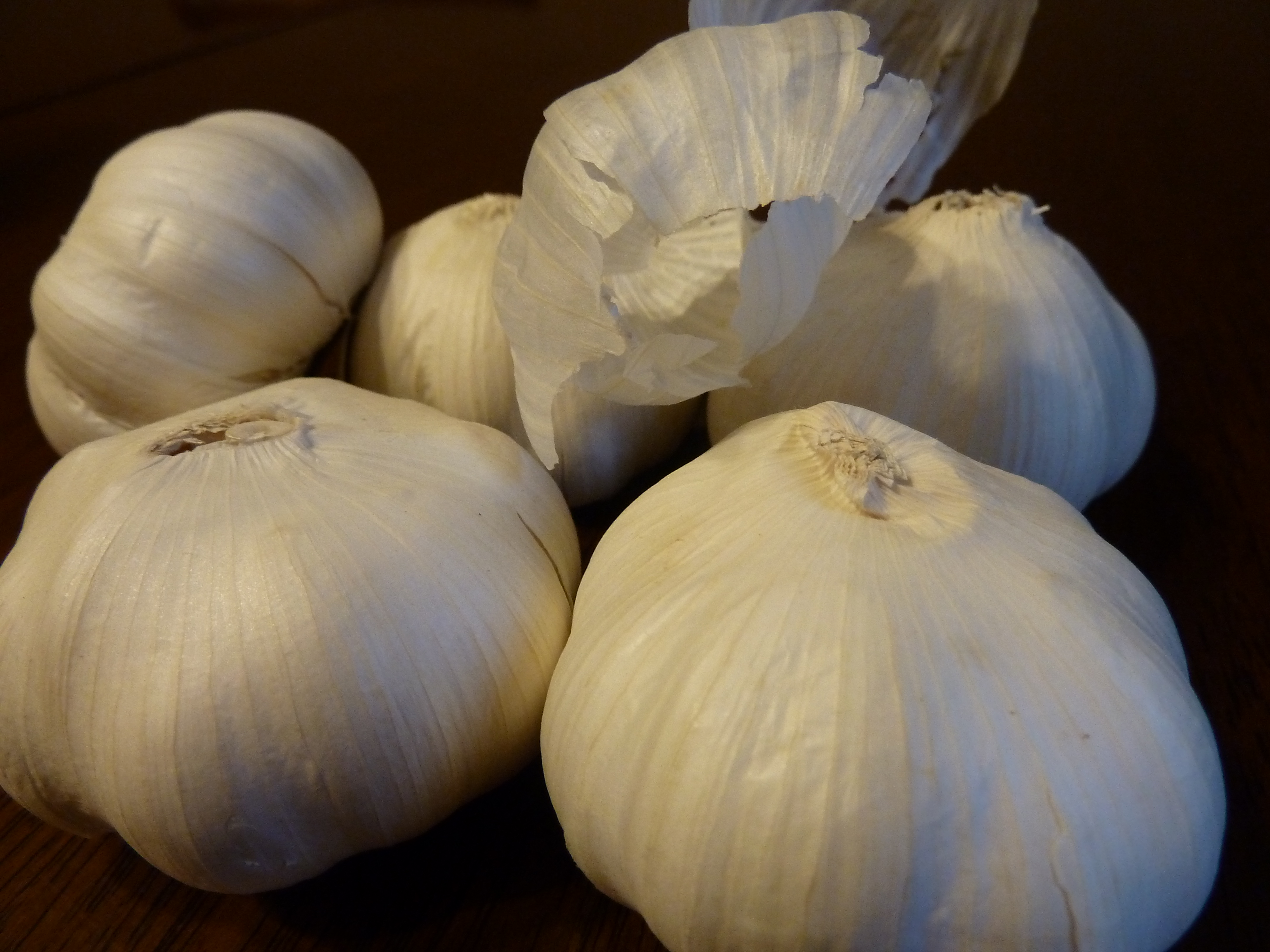
The potential health benefits of garlic are largely attributed to its sulfur-containing compounds. The most famous of these is allicin.
The Allicin Creation Process:
An intact garlic clove actually contains very little allicin. Instead, it contains an amino acid called alliin and an enzyme called alliinase, kept in separate compartments.
(Alliin + Alliinase)
Allicin is highly unstable. It breaks down quickly, especially when heated. As it degrades, it transforms into other bioactive sulfur compounds like diallyl sulfide, ajoene, and S-allylcysteine. These are the compounds that researchers typically study when investigating garlic's health effects.
How the Immune System Actually Works
To understand why "boosting immunity" is a flawed concept, we must understand that the immune system is exactly that—a system, not a single entity or a simple switch that can be turned up or down.
The "Boosting" Fallacy: If you could truly "boost" your immune system, you wouldn't want to. An overactive immune system is responsible for autoimmune diseases (like rheumatoid arthritis or lupus) and severe allergic reactions. What you actually want is a properly functioning, balanced immune system.
Innate Immunity (The First Line)
Your general, immediate defense against pathogens.
- Physical barriers: Skin, mucous membranes
- Chemical barriers: Stomach acid, enzymes in tears
- Cellular defenses: Phagocytes (cells that eat pathogens), Natural Killer cells
- Inflammation: The body's response to damage or infection
Adaptive Immunity (The Specialists)
Your highly specific, learned defense that creates memory.
- T Cells: Destroy infected cells and coordinate the immune response
- B Cells: Produce specific antibodies
- Antibodies: Proteins that neutralize specific pathogens
- Immune Memory: Allows faster response to future infections
What Research Actually Shows
In the Laboratory (In Vitro Studies)
In test tubes and petri dishes, the evidence is impressive. Allicin and other garlic compounds demonstrate significant antimicrobial, antiviral, and antifungal properties. They can inhibit the growth of various pathogens directly. However, killing a virus in a dish where you can directly apply a concentrated compound is entirely different from how a substance acts inside the human body.
In Animal Studies (In Vivo)
Studies in mice and rats suggest that certain garlic extracts can modulate immune cell activity—for instance, stimulating the activity of macrophages or natural killer cells. While interesting, animal immune systems and metabolisms differ significantly from humans.
In Human Clinical Trials
This is where the evidence becomes very limited. There is a distinct lack of large-scale, high-quality, randomized controlled trials confirming garlic's immune-boosting effects in humans.
The Cochrane Review Conclusion
Cochrane reviews are considered the gold standard in evidence-based medicine. A major Cochrane review examining garlic for the common cold found insufficient clinical trial evidence to state whether garlic can prevent or treat the common cold.
They noted that many claims rely on one specific, often-cited trial (Josling 2001), which was a small, single study funded by a garlic supplement manufacturer. While that study showed fewer colds in the garlic group, relying on a single small trial is not enough to establish scientific consensus.
What Happens When You Eat Garlic?
1.Ingestion & Digestion
Ingestion & Digestion
You eat crushed garlic. It travels to your stomach where digestive acids and enzymes begin breaking it down. The highly unstable allicin degrades rapidly in this harsh environment.
2.Absorption
Absorption
The breakdown products (various sulfur metabolites) are absorbed through your intestines into your bloodstream.
3.Distribution & Uncertainty
Distribution & Uncertainty
These metabolites circulate to various tissues. However, scientists remain uncertain if enough active compounds reach your immune cells or infected tissues at a high enough concentration to have a meaningful clinical effect against an active viral or bacterial infection.
Myth vs. Reality
Separating popular folklore from biological fact.
Garlic boosts your immune system.
The immune system cannot be simply 'boosted'. Garlic provides nutrients that support overall health, but doesn't supercharge immunity.
Raw garlic kills bacteria in your body.
While garlic kills bacteria in a petri dish (lab), digestion breaks down its active compounds. It doesn't act as an internal sanitizer.
Garlic supplements prevent colds.
High-quality human clinical trials show insufficient evidence to conclude that garlic supplements prevent or treat the common cold.
Garlic is a natural antibiotic.
It is not equivalent to medical antibiotics. It cannot effectively treat bacterial infections like strep throat or pneumonia.
More garlic = stronger immunity.
There is no established dose-response relationship in humans. Eating excessive garlic is more likely to cause GI distress than prevent illness.
Garlic can replace the flu vaccination.
Absolutely not. Vaccines train your adaptive immune system to recognize specific viruses. Garlic does nothing of the sort.
Garlic cures infections.
Never use garlic instead of prescribed medical treatment for an infection. Delaying care can lead to serious complications.
Aged garlic is more potent.
Aged garlic extract contains different compounds (like S-allylcysteine) than fresh garlic. It's different, but not necessarily a more effective 'booster'.
What IS Garlic Good For? (The Evidence)
While its immune-boosting claims are overstated, garlic does have other scientifically supported health benefits when consumed as part of a healthy diet.
Modest Blood Pressure Reduction (Supported)
Several meta-analyses suggest garlic supplements may modestly lower blood pressure in individuals with hypertension, likely by promoting vasodilation.
Heart Health / Cholesterol (Possible)
Some studies show garlic can slightly lower total cholesterol and LDL levels, though the effects are often small and may not be sustained long-term.
Antioxidant Properties (Uncertain translation to health)
Garlic contains antioxidants that reduce oxidative stress in cells. While true biologically, how this translates directly to preventing specific diseases in humans is complex and uncertain.
Preventing Viral Infections (Unsupported)
Current robust clinical evidence does not support using garlic to reliably prevent or treat common viral infections like the cold or flu.
What Garlic CANNOT Do
Replace Medical Treatments: It cannot replace antibiotics for bacterial infections or antiviral drugs for severe viral infections.
Prevent COVID-19: The WHO explicitly states there is no evidence that eating garlic has protected people from the coronavirus.
Cure Cancer: While population studies link high vegetable/allium intake to lower risk of certain cancers, garlic is not a cancer treatment or cure.
Who May Need Caution?
While generally safe as food, high doses or garlic supplements carry risks for certain individuals:
People on Blood Thinners: Garlic has mild anti-platelet (blood-thinning) effects and can interact with medications like Warfarin or aspirin.
Before Surgery: Due to bleeding risks, surgeons often advise stopping garlic supplements 1-2 weeks before scheduled procedures.
GI Issues & IBS: Garlic is high in fructans (a type of FODMAP) which can trigger severe bloating, gas, and pain in people with Irritable Bowel Syndrome.
What Actually Supports Immune Function?
1. Adequate Sleep (7-9 hours)
Sleep is when your body produces and releases cytokines, a type of protein that targets infection and inflammation.
2. Balanced Nutrition
Sufficient intake of Zinc, Vitamin C, Vitamin D, and protein provides the fundamental building blocks for immune cells.
3. Routine Vaccinations
The only scientifically proven way to "upgrade" your immune system to fight a specific virus before you encounter it.
4. Stress Management
Chronic stress produces elevated cortisol, which persistently suppresses immune function over time.
Practical Daily Tips
Enjoy garlic as food. It's a fantastic, flavorful addition to a healthy diet (like the Mediterranean diet).
Let it rest. If cooking with fresh garlic, crush or chop it and let it sit for 10 minutes before heating. This allows the alliinase enzyme time to create allicin before the heat destroys the enzyme.
Save your money. Expensive garlic supplements marketed for "immunity" offer little proven benefit over consuming fresh garlic in your meals.
Practice basic hygiene. Washing hands regularly with soap and water does more to prevent infections than eating raw garlic.
Frequently Asked Questions
Should I swallow a raw garlic clove if I feel a cold coming on?
Can putting garlic in my nose cure a sinus infection?
Is garlic tea good for sickness?
Does garlic interact with medications?
Why do my parents/grandparents swear by garlic for colds?
Is black (fermented) garlic better for immunity?
Can pregnant women eat garlic?
How many cloves a day is safe?
Does garlic kill gut bacteria?
Is it better to eat it raw or cooked?
Evidence & Sources
Our content is based on peer-reviewed research and guidelines from major health organizations.
- Cochrane Database of Systematic Reviews: Lissiman E, Bhasale AL, Cohen M. "Garlic for the common cold." (2014). This extensive review concluded there is insufficient clinical trial evidence regarding garlic's effects on the common cold.
- National Institutes of Health (NIH) - NCCIH: "Garlic" Fact Sheet for Health Professionals. Notes limited evidence for cold prevention and outlines safety warnings regarding blood thinners.
- World Health Organization (WHO): Mythbusters regarding COVID-19 and garlic consumption.
- Journal of Immunology Research: Arreola R, et al. "Immunomodulation and Anti-Inflammatory Effects of Garlic Compounds." (2015). Details the biochemical pathways and in vitro mechanisms of sulfur compounds.
- American Family Physician: "Over-the-Counter Medications for Acute Cough in Children and Adults in Outpatient Settings." (Addresses the natural timeline of upper respiratory infections).
Disclaimer: The information provided on Medi Info Hub is for educational purposes only and does not substitute for professional medical advice, diagnosis, or treatment. Always seek the advice of your physician or other qualified health provider with any questions you may have regarding a medical condition.