

Care Your Lungs & Quit Smoking Hub
Discover how your respiratory system heals the moment you stop smoking. Explore our clinically verified lung restoration protocols, the hour-by-hour physiological recovery timeline, and the interactive longevity wealth calculator.
Care Your Lungs: Cellular Restoration & Healing
The human respiratory tract possesses a remarkable capacity for biological regeneration once toxic tobacco combustion ceases.
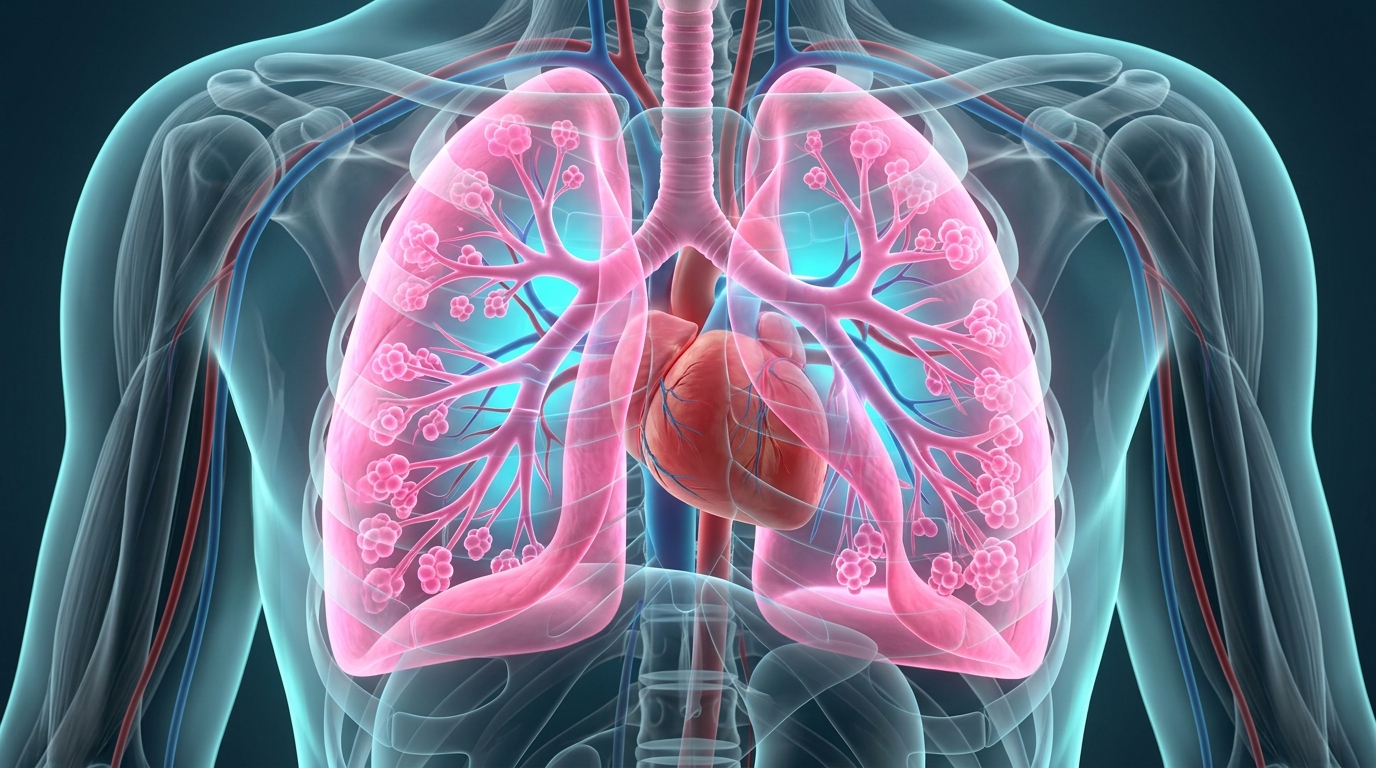
Clinical 3D Anatomical Reference: Healthy human lung architecture displaying vibrant pink pulmonary parenchymal tissue, branched bronchial tree, and microscopic alveolar capillary bed.
Carbon Monoxide Evacuation
Within 12 to 24 hours, carbon monoxide that was starving your tissues is completely flushed from hemoglobin, restoring normal arterial oxygen tension.
Cilia Regrowth (Weeks 1–9)
Millions of microscopic cilia regrow along bronchial passages, sweeping decades of trapped tar and particulate matter up and out of your lungs.
50%+ Lower Lung Cancer Mortality
Pre-malignant mutated cells are steadily replaced with healthy epithelial lining, cutting your excess risk of fatal lung cancer in half by Year 10.
5 Evidence-Based Daily Steps to Care For Your Lungs Post-Quit
Follow these pulmonary rehabilitation practices to accelerate lung cleansing, rebuild respiratory muscles, and optimize oxygen exchange.
Diaphragmatic & Pursed-Lip Breathing
10 minutes daily (5 min morning, 5 min evening)Inhale slowly through your nose for 4 seconds, then exhale through pursed lips for 7 seconds. This opens collapsed basal alveoli, empties stagnant dead-space air, and strengthens diaphragmatic excursion.
Graded Cardiovascular Aerobic Movement
30 minutes, 5 days per weekBrisk walking, incline walking, swimming, or cycling forces your lungs to expand to full tidal volume. Increased cardiac output flushes pulmonary capillaries, speeding up bronchial clearance.
Mucus Hydration & Steam Inhalation
2.5 to 3 Liters of water daily + warm shower steamHydration keeps your bronchial mucus blanket thin and watery. When mucus is thin, regenerating cilia can easily sweep out old tar deposits. Inhaling warm water steam loosens stubborn phlegm.
Indoor Air Hygiene & Zero Secondhand Smoke
True HEPA filtration in bedrooms and living spacesYour recovering lung epithelium is hypersensitive to microscopic particulates. Avoid secondhand smoke, wood smoke, incense, chemical aerosols, and use HEPA air purifiers to protect airways.
Pulmonary Antioxidant Nutrition
High Vitamin C, Carotenoids & PolyphenolsCitrus fruits, berries, bell peppers, spinach, and green tea catechins provide potent free-radical scavengers that neutralize residual reactive oxygen species (ROS) and support alveolar collagen repair.
What Happens in Your Body When You Stop Smoking
Cessation triggers an immediate domino effect of biochemical recovery across your cardiovascular system, lungs, brain, and immune defenses.
Airway Decongestion & Carbon Monoxide Clearance
Carbon monoxide exits your bloodstream within 24 hours, restoring 100% hemoglobin oxygen carrying capacity.
Toxic cigarette smoke contains high levels of carbon monoxide (CO), which binds to red blood cells 200 times stronger than oxygen. Within 12 to 24 hours of smoking cessation, CO is exhaled and eliminated. Hemoglobin binds pure oxygen freely, immediately nourishing peripheral organs and ending chronic cellular hypoxia.
Bronchial Cilia Regrowth & Self-Cleaning Sweep
Paralyzed airway cilia regrow to aggressively sweep out accumulated tar, toxic dust, and excess mucus.
Cigarette smoke chemicals (hydrogen cyanide, formaldehyde, acrolein) paralyze and destroy the microscopic broom-like hair cells (cilia) lining your respiratory tract. Between 1 and 3 months after quitting, millions of new cilia regenerate. They begin rhythmic wave-like sweeping to push tar and trapped pollutants up toward the throat. This is why temporary coughing during recovery is actually a positive sign of your lungs healing!
Reversal of Airway Inflammation & Emphysema Arrest
Chronic swelling in small bronchial airways subsides and progression toward irreversible COPD is halted.
The persistent inflammation that narrows bronchioles and destroys alveolar sacs stops progressing. While damaged alveolar septa do not fully grow back, your existing 300+ million alveoli regain elastic recoil and blood perfusion. Your FEV1 (Forced Expiratory Volume) rate of loss returns to the normal, gentle aging slope of a lifetime non-smoker.
50%+ Plummet in Lung Cancer & Cellular Mutation Slough
Pre-cancerous bronchial cells are replaced by healthy tissue, reducing lung cancer death rates by more than half.
Decades of smoking cause epigenetic mutations in tumor suppressor genes like TP53. After 10 years of total abstinence, genetically damaged pre-cancerous cells are steadily sloughed off and replaced with normal, healthy pulmonary epithelium. Your risk of lung cancer plummets to 50% of a smoker's, and pancreatic and laryngeal risks fall dramatically.
Smoking Cost & Longevity Calculator
Calculate your exact financial wealth preserved, cigarettes avoided, and biological life expectancy regained upon quitting tobacco.
20 Minutes to 15 Years: The Complete Recovery Timeline
Clinical benchmarks demonstrating the rapid rate of human organ repair after quitting tobacco.
Hemodynamic Stabilization
Heart rate and blood pressure drop back toward resting baseline levels. Peripheral blood circulation warms hands and feet.
Carbon Monoxide Cleansing
Blood carbon monoxide (CO) levels drop by more than 50%, clearing oxygen receptor sites on red blood cell hemoglobin. Blood oxygen saturation normalizes.
Myocardial Protection Begins
Acute risk of myocardial infarction (heart attack) starts declining. Cellular cleansing accelerates as nicotine byproducts begin exiting systemic circulation.
Sensory Regeneration
Damaged olfactory and gustatory nerve endings begin sprouting new synaptic pathways. The senses of smell and taste sharpen noticeably.
Peak Physical Withdrawal & Bronchial Relaxation
Nicotine is 100% eliminated from the body. While withdrawal irritability may peak, bronchial breathing tubes relax, making breathing easier.
Circulatory & Exercise Enhancement
Endothelial inflammation decreases substantially. Walking, brisk stairs, and athletic workouts become easier. Overall lung capacity improves by up to 30%.
Ciliary Regeneration & Mucus Clearance
Microscopic bronchial cilia regrow in the airways, restoring natural pulmonary defense against airborne bacteria. Coughing and shortness of breath drop dramatically.
Cardiovascular Risk Cut in Half
Your excess clinical risk of Coronary Artery Disease (CAD) and heart attack drops to exactly 50% compared to a continuing smoker.
Stroke & Upper Cancer Risk Halved
Arterial narrowing reverses. Your risk of stroke drops toward that of a non-smoker (within 5 to 15 years). Risk of mouth, throat, and bladder cancer falls by 50%.
Lung Cancer Mortality Risk Halved
Your risk of fatal lung cancer is half that of a continuing smoker. Precancerous cells are replaced by healthy epithelial tissue.
Complete Coronary Heart Normalization
Your risk of coronary heart disease, angina, and cardiovascular mortality equals that of an individual who has never smoked a cigarette in their lifetime.
Evidence-Based Cessation Therapies & Medications
Combining behavioral strategies with approved pharmacological support more than doubles success rates.
Nicotine Replacement (NRT)
Over-the-Counter / First-LineTransdermal Nicotine Patch
Slow-Release BaselineProvides steady, continuous 16-to-24-hour nicotine blood levels to prevent background physical withdrawal symptoms.
Nicotine Gum & Lozenges
Fast-Acting Acute ReliefAbsorbed through the buccal oral mucosa within 10 to 15 minutes to extinguish acute breakthrough cravings and stress triggers.
Combination NRT Protocol
Clinical Gold StandardPairing a daily patch with oral gum or lozenges as needed doubles long-term cessation success rates compared to single-agent therapy.
Prescription Oral Medications
Physician-Prescribed Non-NicotineVarenicline (Chantix)
α4β2 Receptor Partial AgonistAttaches to nicotinic receptors in the brain to reduce withdrawal severity while blocking dopamine reward if tobacco is smoked.
Bupropion SR (Zyban / Wellbutrin)
NDRI AntidepressantModulates dopamine and norepinephrine reuptake to alleviate mood dysphoria and minimize post-cessation weight gain.
Clinical Physician Consultation
Pre-Treatment ClearanceAlways consult your physician for individualized dosing, contraindications, and cardiac safety clearance before prescription pharmacotherapy.
The Clinical "4 Ds" Craving Response Protocol
When an intense craving strikes, your brain's reward center screams for dopamine. Use this clinical 4-step coping checklist to ride out acute cravings without giving in.
Delay
Most acute neurochemical nicotine cravings surge rapidly and dissolve within 3 to 5 minutes. Ride the craving wave until it subsides.
Deep Breathe
Deep diaphragmatic breathing activates the parasympathetic vagus nerve, immediately lowering heart rate and acute cortisol tension.
Drink Water
Cold water stimulates oral receptors, fulfilling the habitual hand-to-mouth reflex while rapidly hydrating tissues and clearing metabolites.
Distract
Stand up, take a 5-minute brisk walk, message a friend, or solve a puzzle. Diverting sensory attention breaks the subconscious craving circuit.
Myths & Harm Reduction: What About Vaping and Hookah?
E-Cigarettes & Vaping
While free of tobacco combustion tar, e-liquids contain concentrated nicotine, volatile organic compounds, and heavy metals. They sustain addiction and are not approved by the US FDA or WHO as first-line cessation devices.
Hookah & Shisha
A single 60-minute waterpipe (hookah) session exposes the user to approximately 100 to 200 times the smoke volume and significantly higher carbon monoxide levels than smoking a single cigarette. Water does NOT filter out toxins.
Smokeless & Chewing Tobacco
Gutkha, khaini, and moist snuff deliver high doses of nicotine alongside carcinogenic tobacco-specific nitrosamines (TSNAs). They cause high rates of oral squamous cell carcinoma, submucous fibrosis, and periodontal destruction.
Toll-Free National Tobacco Cessation Quitlines
Trained tobacco treatment specialists provide personalized quit coaching, behavioral tips, and free NRT starter vouchers.
The information provided on this website is for educational purposes only and is not intended as a substitute for professional medical advice, diagnosis, or treatment. Always seek the advice of a qualified healthcare provider with any questions you may have regarding a medical condition.