

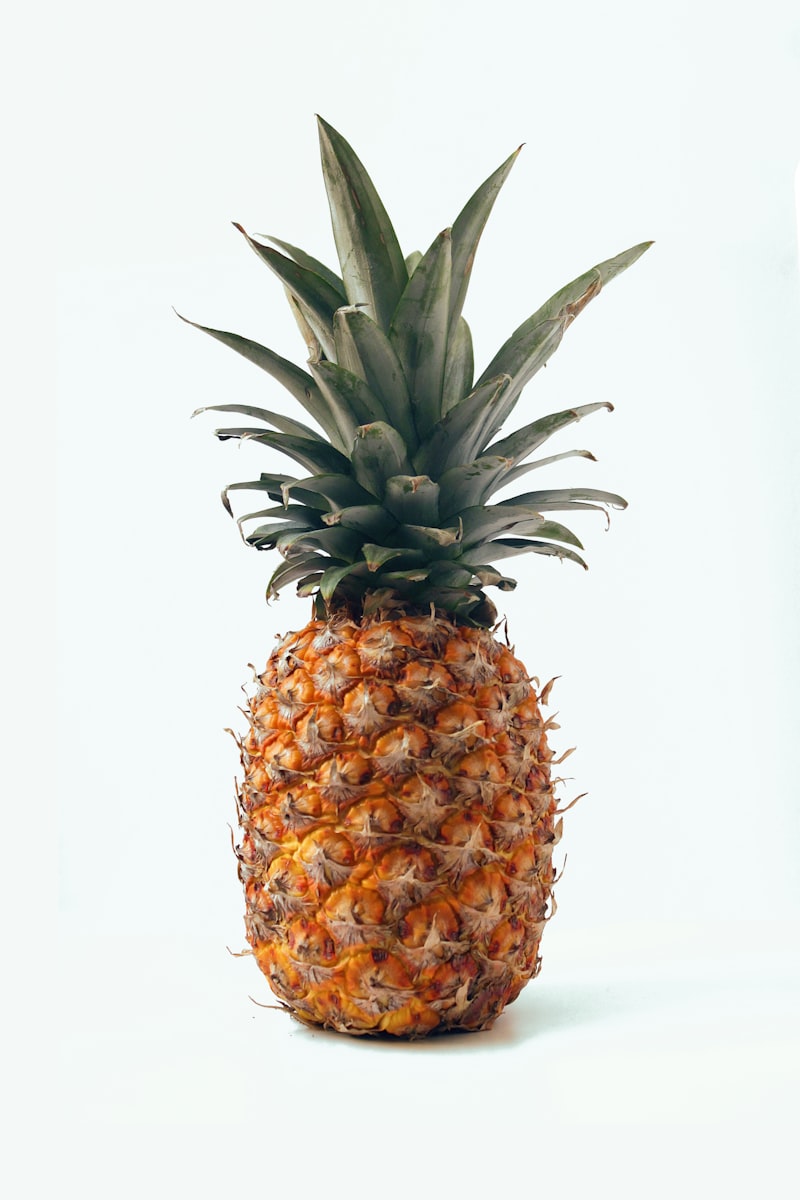
Does Pineapple Really Clear Your Lungs? 🍍
No. Eating pineapple does not literally clean or 'detox' the lungs.
Key Takeaway
Pineapple is nutritious and contains vitamin C and an enzyme mixture called bromelain, but the popular claim that pineapple clears toxins from the lungs is not supported by strong human evidence. It is a helpful fruit, but not a lung 'cleanser'.
A quick way to read this health claim
This page separates what people say online from what research can actually support. It is educational, not personal medical advice.
The short answer appears first, so you can understand the main point before the details.
Lab results, animal studies, and human studies answer different questions and should not be treated as equal.
New, severe, or persistent breathing symptoms need advice from a qualified healthcare professional.
The Claim Explained
Pineapple is often described online as a food that can 'clean' or 'detox' the lungs. Social media posts and wellness blogs frequently claim that drinking pineapple juice or eating the fruit can strip away years of lung damage, dissolve mucus instantly, or flush out toxins accumulated from pollution and smoking.
Claim vs Reality
- The Claim: Bromelain directly enters the lungs and washes away tar and toxins like a chemical solvent.
- The Reality: Foods and their enzymes are digested in the gastrointestinal tract. They do not travel into your lungs. Your lungs have their own complex, built-in cleaning mechanisms.
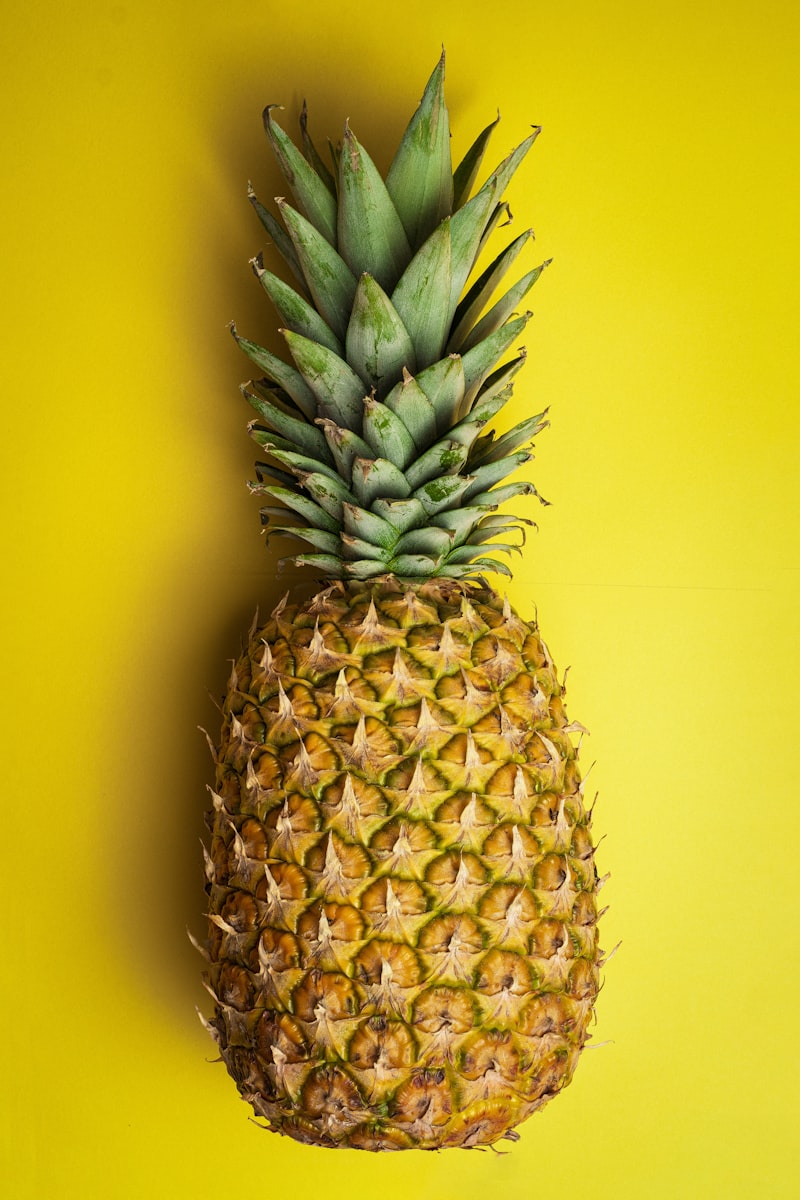
Pineapple Nutrition Deep Dive
While it may not act as a lung vacuum, pineapple is packed with nutrients that support overall health.
Vitamin C
An essential antioxidant that supports the immune system and helps protect cells from free radical damage.
Manganese
A mineral vital for metabolism, bone health, and managing cellular stress alongside antioxidants.
Dietary Fiber
Supports healthy digestion and helps maintain steady blood sugar levels.
Bromelain
A unique mixture of enzymes known for breaking down proteins and showing potential anti-inflammatory properties.
What Is Bromelain?
The core of the pineapple lung-cleansing myth revolves around bromelain. Bromelain is not a single substance, but a group of proteolytic (protein-digesting) enzymes found primarily in the stem and fruit of the pineapple plant (Ananas comosus).
In biological terms, proteolytic enzymes break down long chain-like molecules of proteins into smaller fragments (peptides) and individual amino acids. This is why pineapple is historically used as a meat tenderizer—it literally breaks down the tough muscle fibers.
In laboratory settings (in vitro), bromelain has demonstrated anti-inflammatory potential and an ability to thin mucus. However, there is a massive scientific gulf between what an isolated enzyme does to cells in a petri dish, and what eating a whole fruit does inside a complex human body. Lab evidence does not automatically equal human clinical proof.
What Bromelain Research Actually Shows
Lab / Test-Tube Studies
In isolated laboratory environments, bromelain extracts have been shown to modulate immune system responses, reduce inflammatory markers, and alter the consistency of mucus, making it thinner.
Animal Studies
Some animal models of asthma or bronchitis suggest high doses of isolated bromelain might reduce airway inflammation. However, these use highly concentrated, direct applications rarely reflective of human dietary intake.
Human Clinical Evidence
Human evidence is very limited. Some small trials suggest oral bromelain supplements might mildly alleviate symptoms of sinusitis, but definitive, large-scale studies proving it cures lung conditions or "cleans" lungs do not exist.
Key Distinction: "There is currently no good basis for saying: 'Eat pineapple → bromelain enters your lungs → removes toxins → cleans your lungs.' That's an oversimplification of human biology."
How the Lungs Actually Clean Themselves
Your lungs do not need fruit juice to stay clean. They possess a sophisticated, built-in self-cleaning system known as mucociliary clearance. Here is how it works:
Mucus Production
Airways produce a thin, sticky layer of mucus.
Trapping Particles
This mucus acts like flypaper, trapping inhaled dust, pollutants, and microorganisms.
Ciliary Action
Microscopic hair-like structures called cilia line the airways. They beat in a coordinated, upward direction.
The Escalator
The cilia push the dirty mucus upward towards the throat, where it is harmlessly swallowed into the stomach or coughed out.
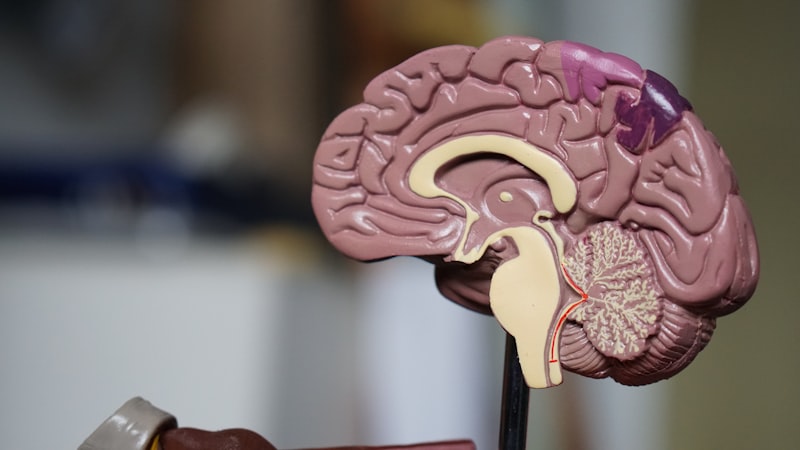
What Happens After You Eat Pineapple?
When you consume pineapple, it goes into your digestive tract, not your respiratory tract. Stomach acids and digestive enzymes break down the fruit. While some intact bromelain can be absorbed into the bloodstream, it is distributed throughout the body.
What Smoking & Vaping Do to Lung Defenses
To understand why a fruit cannot "clean" the lungs, it is crucial to understand how damage occurs in the first place, particularly from smoking.
- Cilia Paralysis and DamageToxins paralyze and eventually destroy the cilia, shutting down the "mucus escalator."
- Excess MucusThe lungs produce excess mucus in an attempt to protect themselves, leading to chronic cough.
- Tar AccumulationSticky tar coats the lung tissue. No dietary enzyme or fruit can dissolve and flush this out.
Pineapple cannot reverse this structural damage or magically extract embedded tar from lung tissue.
Myth vs Reality
Separating internet fiction from biological fact.
"Pineapple removes toxins from your lungs"
No strong evidence supports this. Lungs self-clean via mucociliary clearance.
"Bromelain directly cleans lung tissue"
Bromelain is digested and enters the bloodstream; it does not wash the lungs.
"Pineapple juice can reverse smoking damage"
No food can reverse structural damage caused by tobacco smoke.
"Eating pineapple before surgery helps breathing"
No established clinical guidelines recommend this for respiratory function.
"Pineapple is a natural asthma cure"
Pineapple is not a treatment for asthma and should never replace inhalers.
"Pineapple can prevent lung infections"
While vitamin C supports immunity, no single food prevents infections.
"Drinking pineapple juice clears mucus instantly"
Temporary relief from throat soothing may occur, but it doesn't instantly clear lung mucus.
"Pineapple is better than medicine for lung problems"
Never replace prescribed medical treatments with fruit or juices.
Evidence-Based Benefits (Classification)
What Pineapple Cannot Do
- • Does not literally wash or scrub the lungs.
- • Does not remove cigarette smoke residue or tar.
- • Does not reverse established lung damage (like COPD or emphysema).
- • Does not replace prescribed medical treatments or inhalers.
- • Does not guarantee protection against respiratory diseases.
- • Does not 'detox' any organ (your liver and kidneys do that).
Who May Need Caution?
- • Pineapple Allergy: Can cause severe allergic reactions in some.
- • Oral Allergy Syndrome: May cause itching or swelling of the mouth/throat.
- • GERD / Acid Reflux: The high acidity can trigger or worsen heartburn.
- • Medication Interactions: Bromelain can interact with blood thinners and certain antibiotics.
- • Kidney Conditions: Contains potassium, which must be monitored in severe kidney disease.
- • Diabetes: Contains natural sugars that affect blood glucose levels.
What Actually Supports Lung Health?
- Avoiding tobacco smoke completely (active and passive).
- Avoiding vaping and e-cigarettes.
- Reducing exposure to indoor and outdoor air pollution.
- Engaging in regular physical activity to improve lung capacity.
- Staying up to date with appropriate vaccinations (flu, pneumonia, COVID-19).
- Managing existing respiratory conditions with professional medical care.
- Seeking urgent medical attention for persistent breathing symptoms.
Practical Daily Tips
Include pineapple as part of a varied, colorful diet, not as a magic medicine.
Don't rely on any single food for organ health or disease prevention.
Stay physically active to keep your cardiovascular and respiratory systems strong.
Always see a doctor for chronic cough, shortness of breath, or respiratory concerns.
Frequently Asked Questions
Can pineapple remove mucus from the lungs?
No. While lab studies show bromelain can thin mucus, drinking pineapple juice does not send bromelain into your lungs to break up mucus directly. Staying hydrated with any fluid helps keep mucus thin.
Is bromelain safe to take as a supplement?
Generally yes for healthy adults, but it can interact with blood thinners, antibiotics, and cause gastrointestinal distress. Always consult a healthcare provider before starting enzyme supplements.
Can pineapple help with a cough?
Pineapple juice might temporarily soothe a sore throat due to its sweetness and liquid texture, similar to honey and tea, but it does not cure the underlying cause of a respiratory cough.
Does pineapple juice help smokers?
It provides vitamin C, which smokers often lack due to oxidative stress, but it absolutely cannot reverse lung damage, remove tar, or reduce the cancer risk associated with smoking.
Is pineapple better than other fruits for lung health?
No single fruit is 'best'. A diverse diet containing various fruits and vegetables provides a wide spectrum of antioxidants that collectively support general immune and cellular health.
Can children eat pineapple for respiratory health?
Children can enjoy pineapple as part of a healthy diet, but it should not be used as a home remedy for childhood asthma, bronchitis, or serious respiratory infections.
How much pineapple should I eat daily?
A standard serving is about 1 cup of chunks. Excessive consumption can cause mouth irritation (from acidity and bromelain) and spikes in blood sugar.
Does canned pineapple have the same benefits as fresh?
Canning uses heat, which destroys most of the bromelain enzyme. Canned pineapple still has vitamins and fiber, though often less vitamin C than fresh, and may contain added sugary syrups.
Can pineapple replace an inhaler for asthma?
Never. Asthma is a serious condition requiring clinically proven medical treatments. Pineapple cannot open inflamed airways during an asthma attack.
Does cooking pineapple destroy bromelain?
Yes. Bromelain is a protein, and like all enzymes, it denatures (breaks down and loses function) when exposed to high heat during cooking, baking, or the pasteurization of commercial juices.
Evidence & Sources
Disclaimer: The information provided on Medi Info Hub is for educational purposes only and does not substitute for professional medical advice, diagnosis, or treatment.