

How Does Too Much Salt Affect Your Body?
The Short Answer
Excessive sodium intake is strongly associated with elevated blood pressure (hypertension), which is a major risk factor for heart disease and stroke. Your kidneys regulate sodium balance, but chronically high intake can overwhelm this system. However, salt is also essential — the issue is excess, not salt itself.
The Claim Explained
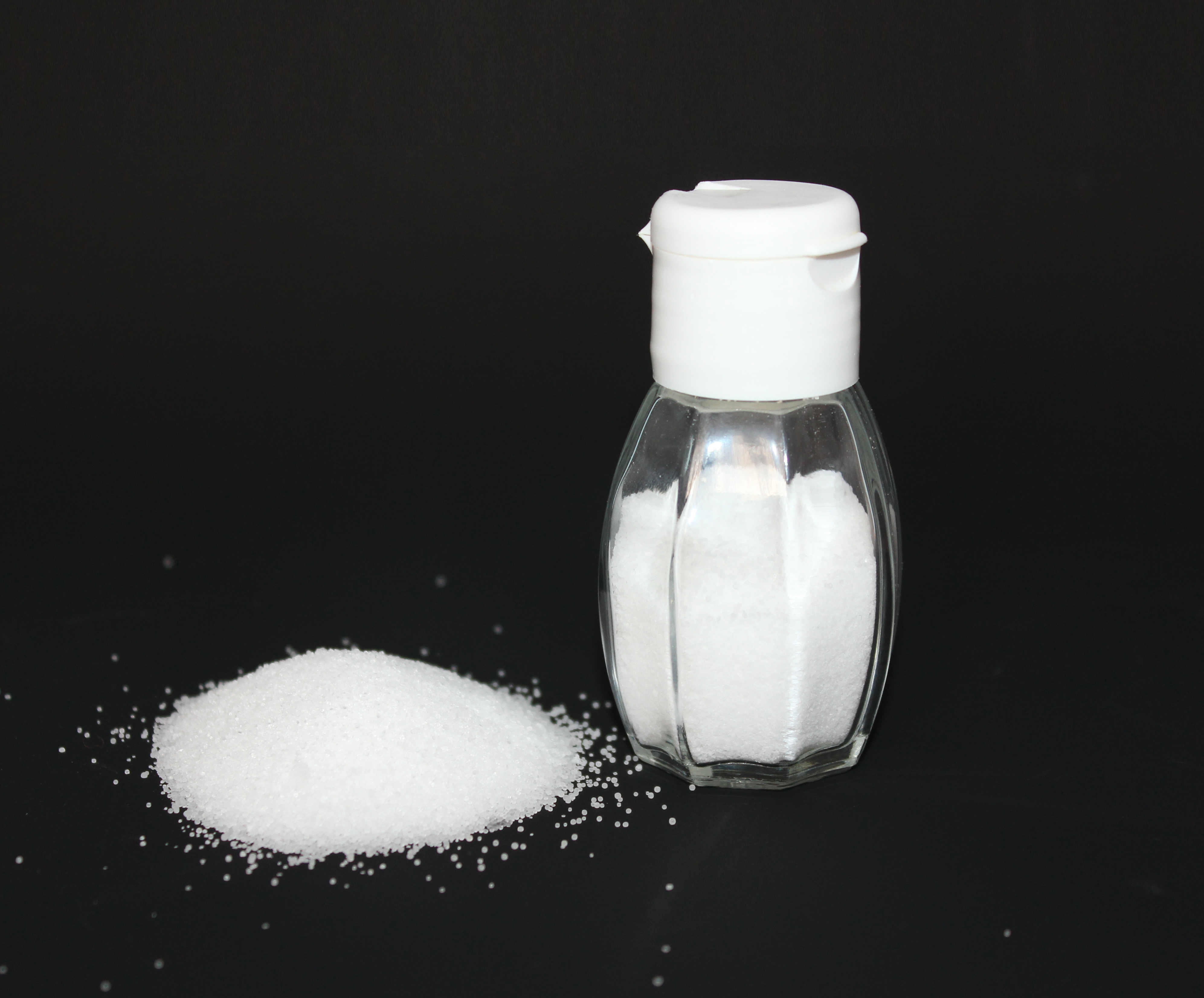
When people hear "salt is bad for you," it is often misinterpreted to mean that salt is inherently toxic or should be eliminated entirely. On the flip side, some wellness trends argue that "salt is essential," using this fact to justify excessive consumption, particularly of specialty salts like Himalayan or sea salt.
Both statements are partially true, but context and dose matter. Sodium is a critical mineral required for human survival, but consuming it in amounts far exceeding biological needs leads to serious systemic consequences, primarily involving the cardiovascular system and kidneys.
What Sodium Does in the Body: Essential Functions
Sodium is an electrolyte, a mineral that carries an electrical charge when dissolved in body fluids. A zero-sodium diet would be rapidly fatal because sodium is foundational to several critical physiological processes:
- The Sodium-Potassium Pump (Na+/K+-ATPase):This enzyme exists in the membrane of every human cell. It constantly pumps sodium out of cells and potassium in, maintaining the electrical gradient necessary for cellular survival.
- Nerve Impulse Transmission:When a nerve fires, sodium channels open, allowing sodium to rush into the cell. This creates the electrical signal (action potential) that allows your brain to communicate with your body.
- Muscle Contraction:The same electrical gradients are necessary for muscles to contract, including the constant, rhythmic beating of your heart.
- Fluid Balance:Sodium is the primary determinant of extracellular fluid volume. Water follows sodium, allowing the body to maintain adequate blood volume and blood pressure.
What Happens With Excess Sodium? (Step-by-Step)

When you consume excess salt, a specific biological cascade occurs:
- Blood Concentration Rises: High sodium intake increases the sodium concentration in your blood (creating a tendency toward hypernatremia).
- The Brain Responds: Receptors in the hypothalamus detect this high concentration and trigger the sensation of thirst.
- Water Retention: You drink water, and your body holds onto it rather than excreting it, in order to dilute the sodium back to a safe concentration.
- Blood Volume Increases: This retained water increases the total volume of blood circulating through your blood vessels.
- Pressure Rises: More fluid flowing through the same fixed pipes (blood vessels) means higher pressure against the arterial walls.
- Systemic Damage: Sustained high pressure physically damages the delicate inner lining (endothelium) of arteries throughout the body, leading to plaque buildup (atherosclerosis) over time.
How Kidneys Regulate Sodium
Your kidneys are the master regulators of sodium through the Renin-Angiotensin-Aldosterone System (RAAS).
When sodium is high, healthy kidneys filter it out of the blood and excrete the excess (along with water) into your urine. When sodium is low, the hormone aldosterone signals the kidneys to actively reabsorb and retain sodium.
However, chronic high sodium intake can overwhelm this system. Worse, the high blood pressure caused by excess sodium physically damages the delicate filtration vessels in the kidneys. This creates a dangerous vicious cycle: damaged kidneys become less efficient at removing sodium, which further increases blood pressure, which further damages the kidneys.
Long-Term Health Consequences
Hypertension
The most well-established consequence of excess sodium.
Cardiovascular Disease
Increased risk of heart attacks due to arterial damage.
Stroke
High pressure damages brain vessels, increasing stroke risk.
Kidney Disease
Physical damage to renal filtration systems.
Osteoporosis
High sodium intake increases calcium excretion in urine, potentially weakening bones.
Stomach Cancer
Observational studies link high-salt diets (especially preserved foods) to gastric cancer.
How Much is Too Much?
The World Health Organization (WHO) strongly recommends consuming less than 2,000 mg of sodium per day (equivalent to just under 5 grams, or about one level teaspoon of salt).
Currently, the global average intake is estimated to be between 9 to 12 grams of salt per day—nearly double the recommended maximum.
The Hidden Danger
Most excess sodium does not come from the salt shaker on your table. In developed nations, approximately 70-80% of sodium intake comes from processed and restaurant foods. Common culprits include bread, cheese, sauces, processed meats, and canned soups.
The Sodium-Potassium Balance
Modern nutritional science indicates that the ratio of sodium to potassium may be even more important for cardiovascular health than sodium intake alone.
Potassium physically helps the kidneys excrete excess sodium and promotes vasodilation (relaxing of blood vessel walls), which lowers blood pressure. Unfortunately, the standard modern diet is simultaneously too high in sodium and too low in potassium.
Foods rich in potassium include: Bananas, sweet potatoes, spinach, avocados, beans, and lentils.
Myth vs. Reality
"All salt is bad for you."
Sodium is an essential mineral for nerve function and fluid balance. It is chronic excess that causes harm, not the nutrient itself.
"Sea salt is much healthier than table salt."
By weight, sea salt and table salt contain the same amount of sodium chloride (about 40% sodium). They have the same impact on blood pressure.
"Himalayan pink salt provides vital minerals."
While it contains trace minerals like iron (which gives it color), the amounts are biologically negligible. You would have to eat a lethal amount of sodium to get sufficient minerals from it.
"You can taste when food has too much salt."
Processed foods often contain vast amounts of hidden sodium masked by sugars and other flavorings, making them not taste overly 'salty'.
"Only old people need to worry about salt."
Dietary habits and arterial stiffening start early. High sodium intake in childhood sets the stage for hypertension in adulthood.
"Salt causes instant high blood pressure."
While an acutely salty meal can cause temporary water retention, clinical hypertension develops over years of sustained excess and arterial damage.
"Athletes can eat unlimited salt."
While endurance athletes lose sodium in sweat and need replenishment, they still do not need 'unlimited' amounts, and massive chronic excess remains harmful.
"Low-salt diets are tasteless and boring."
Your taste buds adapt to lower sodium intake within 2 to 4 weeks, after which heavily salted foods will actually taste overwhelmingly salty.
Evidence-Based Effects of Excess Sodium
Established Harm (Strong Evidence)
Causes increased blood pressure (hypertension), directly leading to higher risks of stroke and cardiovascular disease.
Probable Harm (Moderate Evidence)
Associated with kidney damage over time and increased calcium excretion (potential osteoporosis risk).
Possible Harm (Observational)
Associated with an increased risk of stomach cancer, primarily linked to highly salted/preserved meats and vegetables.
Practical Daily Tips
- Read nutrition labels and choose foods with less than 140mg of sodium per serving.
- Rinse canned beans and vegetables under water to remove up to 40% of the sodium.
- Cook with herbs, spices, citrus, and vinegar instead of relying heavily on salt.
- Gradually reduce the salt in your cooking; your taste buds will adapt in a few weeks.
- Increase potassium intake by eating more fresh fruits and vegetables.
- Limit frequent consumption of processed meats, canned soups, and heavy sauces.
Frequently Asked Questions
Is pink salt better for my blood pressure?
How long does it take for blood pressure to drop after reducing salt?
If I have low blood pressure, should I eat more salt?
Does drinking water flush out excess salt?
Why do restaurants use so much salt?
Can sweating reduce sodium levels?
Are salt substitutes safe?
Does salt cause weight gain?
What is the DASH diet?
Can I just exercise to offset my high salt intake?
Evidence & Sources
- • World Health Organization (WHO): Guidelines on Sodium Intake for Adults and Children.
- • American Heart Association (AHA): "How Potassium Can Help Control High Blood Pressure."
- • INTERSALT Study: International study of electrolyte excretion and blood pressure.
- • National Institutes of Health (NIH): Research on the DASH Diet (Dietary Approaches to Stop Hypertension).
- • Centers for Disease Control and Prevention (CDC): Sodium and Food Sources.