

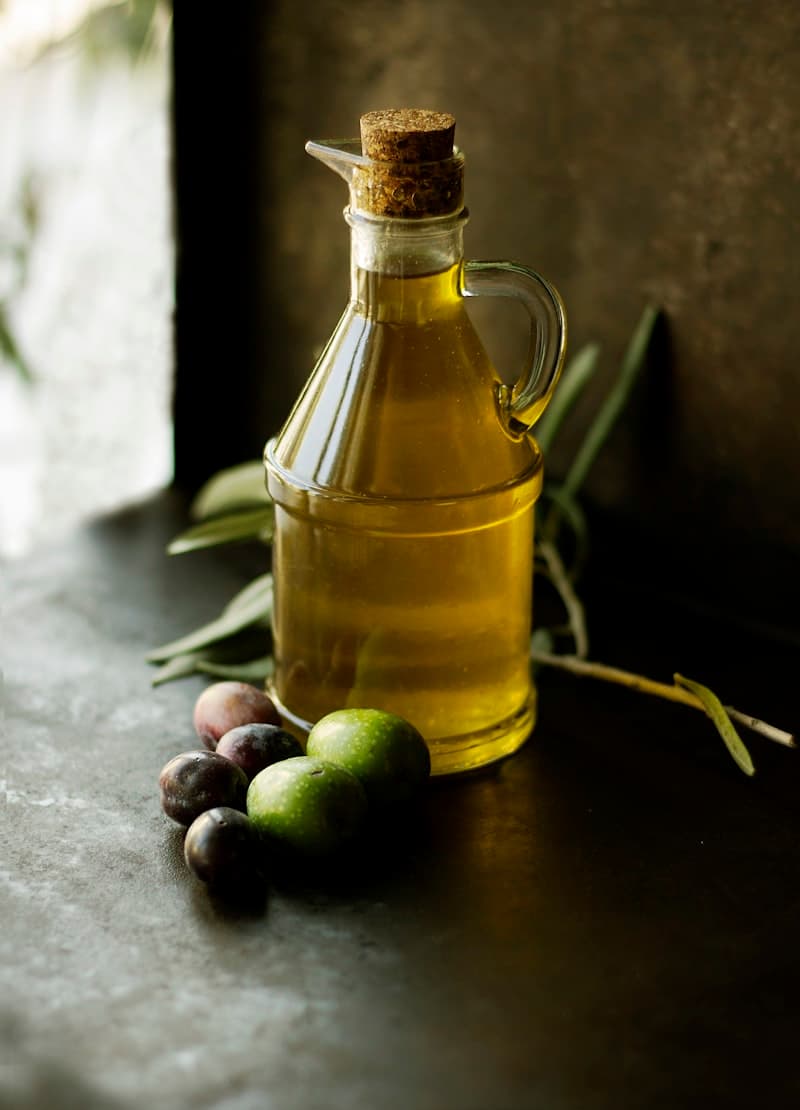
Does Olive Oil Really Protect Your Heart? 🫒
The Short Answer
Extra-virgin olive oil contains monounsaturated fats and polyphenols that may benefit cardiovascular health when used as a replacement for saturated fats. Research from Mediterranean diet studies supports its role, but olive oil alone is not a magic shield against heart disease.
The Claim Explained
People often say olive oil "protects your heart," "cleans your arteries," and "prevents heart attacks." Marketing claims frequently plaster "heart-healthy" labels on olive oil bottles, suggesting that simply consuming it provides cardiovascular protection.
While science does highlight olive oil as a healthy dietary component, the popular belief often exaggerates its power. The scientific reality is that olive oil acts beneficially primarily when it replaces unhealthy fats (like saturated and trans fats) in the diet, rather than acting as a medicinal shield on top of an otherwise poor diet.
What Makes Olive Oil Different from Other Oils?
Monounsaturated Fatty Acids (MUFAs)
Olive oil is primarily composed of oleic acid (an omega-9 monounsaturated fat), which makes up 55-83% of its fat content. Unlike saturated fats, MUFAs have a single double bond in their carbon chain, making them liquid at room temperature and more heart-friendly.
Extraction Process: EVOO vs Refined
Extra-virgin olive oil (EVOO) is cold-pressed mechanically without heat or chemicals, preserving its natural compounds. Refined olive oil (often just labeled "olive oil" or "light") is chemically treated and heated, destroying most of the beneficial plant compounds.
Polyphenols — The Bioactive Compounds
Beyond fats, high-quality EVOO is rich in polyphenols (plant-based antioxidants) that drive many of its potential health benefits.
Oleocanthal
This polyphenol produces the peppery "bite" at the back of your throat. It acts as a natural anti-inflammatory agent, utilizing a mechanism surprisingly similar to ibuprofen by inhibiting COX-1 and COX-2 enzymes.
Oleuropein & Hydroxytyrosol
These potent antioxidants help protect LDL cholesterol from oxidation. Oxidized LDL is a key trigger for atherosclerosis (plaque buildup in arteries).
Vascular Endothelium
Polyphenols interact with the inner lining of blood vessels (endothelium), helping to promote nitric oxide production, which aids in blood vessel dilation and healthy blood pressure.
How Fats Affect Cardiovascular Health

Step 1: Digestion & Lipoproteins
Dietary fat is broken down and packaged into lipoproteins (LDL and HDL) to travel through the bloodstream.
Step 2: The Plaque Pathway
High levels of saturated fats increase LDL ("bad") cholesterol. When LDL particles slip into the artery wall and become oxidized, they trigger an inflammatory response.
Step 3: Endothelial Damage
Macrophages (white blood cells) eat the oxidized LDL, turning into "foam cells" that form the core of arterial plaque (atherosclerosis).
Step 4: The Olive Oil Shift
Replacing saturated fats with olive oil's MUFAs helps lower LDL levels, maintain HDL ("good") cholesterol, and its polyphenols directly resist the oxidation of LDL, slowing plaque formation.
What Does Research Actually Show?
- PREDIMED Trial: This landmark study showed that a Mediterranean diet supplemented with extra-virgin olive oil or nuts significantly reduced the incidence of major cardiovascular events compared to a low-fat diet.
- Observational Studies: Populations consuming Mediterranean diets traditionally have lower rates of heart disease.
- The Replacement Effect: Most clinical benefits are observed when olive oil replaces butter, lard, or processed oils in the diet.
- FDA Qualified Health Claim: The FDA allows a claim that consuming about 2 tablespoons (23 grams) of olive oil daily may reduce the risk of coronary heart disease due to its monounsaturated fat, provided it replaces saturated fat.
How Much Matters
- Caloric Density: Olive oil is pure fat, containing ~120 kcal per tablespoon. Adding it on top of your regular diet without removing other calories leads to weight gain.
- Dose-Response: Benefits are generally seen at around 2-4 tablespoons per day as part of a balanced diet pattern.
- Cooking Smoke Point: Despite myths, high-quality EVOO has a relatively high smoke point (around 375-410°F or 190-210°C), making it safe and stable for sautéing and roasting.
Common Marketing Myths
"Cures heart disease"
No single food cures cardiovascular disease.
"All olive oil is the same"
Only EVOO retains significant polyphenols.
"More equals healthier"
It's still 100% fat; calories matter.
"It's a superfood"
Marketing buzzword with no scientific meaning.
Myth vs Reality
"Olive oil prevents heart attacks"
It may reduce risk as part of an overall healthy diet pattern, but it does not guarantee prevention on its own.
"All olive oil is heart-healthy"
Refined olive oil lacks the beneficial polyphenols and antioxidants found in extra-virgin olive oil (EVOO).
"You can't cook with olive oil"
EVOO has an adequate smoke point for most home cooking (sautéing, baking) and remains remarkably chemically stable under heat.
"Olive oil lowers cholesterol immediately"
Effects are gradual and result from long-term dietary shifts, specifically replacing saturated fats.
"Olive oil is a calorie-free health food"
It is extremely calorie-dense at ~120 kcal per tablespoon. Portion control is essential.
"Drinking olive oil daily is healthy"
There is no strong scientific evidence that drinking shots of oil is better than consuming it with meals.
"Olive oil replaces heart medication"
Never replace prescribed statins, blood pressure meds, or blood thinners with olive oil.
"Light olive oil is healthier"
'Light' refers only to its flavor and color profile, not its calorie or fat content. It is highly refined.
Evidence-Based Benefits
Replacing saturated fats improves lipid profile
Well Established. Swapping butter for EVOO reliably lowers LDL cholesterol.
Part of beneficial Mediterranean diet pattern
Well Established. Diet patterns rich in EVOO, veg, and whole grains show strong cardiovascular benefits.
Anti-inflammatory properties from polyphenols
Some Evidence. Lab studies show oleocanthal acts like ibuprofen, but long-term clinical whole-body effects need more study.
May reduce blood pressure modestly
Some Evidence. Polyphenols may help endothelial function, contributing to slight blood pressure reductions.
Direct cardioprotective effect independent of diet
Limited. Hard to separate the effects of olive oil from the overall healthy lifestyle of those who consume it.
Cures heart disease
Not Established. No evidence supports reversal or cure of established heart disease through olive oil alone.
What Olive Oil CANNOT Do
- Cannot cure existing heart disease.
- Cannot replace cardiovascular medications (statins, antihypertensives).
- Cannot overcome the negative effects of an overall poor diet high in processed foods.
- Cannot compensate for smoking, stress, or a sedentary lifestyle.
- Cannot guarantee the prevention of a heart attack or stroke.
Who May Need Caution?
- People on blood thinners: Oleocanthal has mild anti-platelet effects, which could theoretically interact with blood-thinning medications.
- Those watching calorie intake: Its high caloric density requires strict portion control.
- Gallbladder conditions: High fat intake of any kind can trigger symptoms in those with gallbladder issues.
- Olive allergy: Though rare, olive pollen or fruit allergies exist.
What Actually Protects Your Heart
- • An overall dietary pattern rich in plants, lean proteins, and fiber.
- • Regular physical activity (aerobic and resistance).
- • Avoidance of tobacco and smoking.
- • Maintaining healthy blood pressure and managing cholesterol limits.
- • Limiting excessive alcohol intake.
- • Stress management and sufficient sleep.
- • Regular medical checkups and adhering to prescribed treatments.
Practical Daily Tips
- • Buy Dark Bottles: Light degrades polyphenols. Buy EVOO in dark glass or tin.
- • Check Harvest Dates: Fresher is better. EVOO loses antioxidants over time.
- • Swap, Don't Add: Use EVOO instead of butter on bread or veggies, rather than just adding it to already fatty meals.
- • Use for Dressings: Maximize polyphenol intake by using EVOO cold in vinaigrettes.
Frequently Asked Questions
Is 'Extra Light' olive oil good for my heart?
Does heating olive oil destroy its health benefits?
Should I drink a shot of olive oil every morning?
Is olive oil better than avocado oil?
Can olive oil unclog my arteries?
How many tablespoons of olive oil a day is recommended?
Why does extra virgin olive oil make me cough?
Is it bad if my olive oil solidifies in the fridge?
Does the color of olive oil indicate its health benefits?
Can olive oil cause weight gain?
Evidence & Sources
This article is based on scientific consensus and peer-reviewed studies. Key references include:
- PREDIMED Trial (New England Journal of Medicine, 2018): "Primary Prevention of Cardiovascular Disease with a Mediterranean Diet Supplemented with Extra-Virgin Olive Oil or Nuts."
- American Heart Association (AHA): Dietary fats and cardiovascular disease guidelines.
- Food and Drug Administration (FDA): Qualified Health Claim for Monounsaturated Fat from Olive Oil and Coronary Heart Disease (2018).
- National Institutes of Health (NIH): Studies on oleocanthal and inflammatory pathways.
- World Health Organization (WHO): Recommendations on dietary fats to reduce the risk of unhealthy weight gain and noncommunicable diseases.