

Can Yogurt Really Improve Gut Health? 🥛
Yogurt containing live bacterial cultures can contribute to a diverse gut microbiome and may support digestive comfort in some people. However, not all yogurts are equal — many commercial products contain high amounts of added sugar and may not contain significant numbers of live organisms. The benefits are real but often oversimplified in marketing.
Key Takeaway
Strain-specific benefits exist, but marketing often exaggerates. The benefits of yogurt are genuine, especially for lactose digestion, but it is not a cure-all for digestive diseases.

The Claim Explained
Walk down any dairy aisle, and you will see yogurt containers plastered with claims about "probiotics," "good bacteria," and "digestive health." The marketing suggests that eating a daily cup of yogurt will balance your gut, cure bloating, and regulate your digestion.
What people commonly believe: Many believe that yogurt is a magical remedy that acts as a direct replacement for the native bacteria in our intestines, 'cleaning out' the bad bacteria and 'fixing' digestive issues effortlessly.
Claim vs. Reality: The reality is more nuanced. While certain yogurts do contain beneficial live cultures, these bacteria usually do not take up permanent residence in the gut. Instead, they pass through, exerting temporary but potentially helpful metabolic effects. The overarching claim that "all yogurt is good for your gut" is false, largely due to variations in live culture survival and added sugars.
Probiotics vs. Fermented Foods
There is a technical and important scientific distinction between "probiotics" and "fermented foods." While the terms are often used interchangeably, they are not the same thing.
- Fermented foods: These are foods made through controlled microbial growth, such as yogurt, kefir, and kimchi. They contain live organisms, but these organisms may not survive digestion in large enough numbers or have proven health benefits.
- Probiotics: In a clinical sense, probiotics are specific strains of live microorganisms that, when administered in adequate amounts, confer a documented health benefit on the host.
Not all fermented foods are probiotic. For a yogurt to be truly probiotic, it must contain specific, studied strains of bacteria that survive the journey through the stomach to the intestine.

Live Cultures: What Are They?
Traditional yogurt is made by adding specific starter cultures to milk. The two primary bacteria used in yogurt fermentation are Lactobacillus bulgaricus and Streptococcus thermophilus. Some brands also add Bifidobacterium strains for additional health benefits.
During fermentation, these bacteria consume lactose (milk sugar) and produce lactic acid, giving yogurt its tangy flavor and thick texture. But what happens when you eat them?
To provide health benefits, these cultures must survive the harsh, highly acidic environment of the stomach. While some strains of Lactobacillus and Bifidobacterium are robust enough to survive and reach the lower intestine, others perish. Additionally, if yogurt is heat-treated (pasteurized) after fermentation to extend its shelf life, all the live cultures are killed, stripping the yogurt of its potential microbiome benefits.
The Gut Microbiome: Biological Mechanism
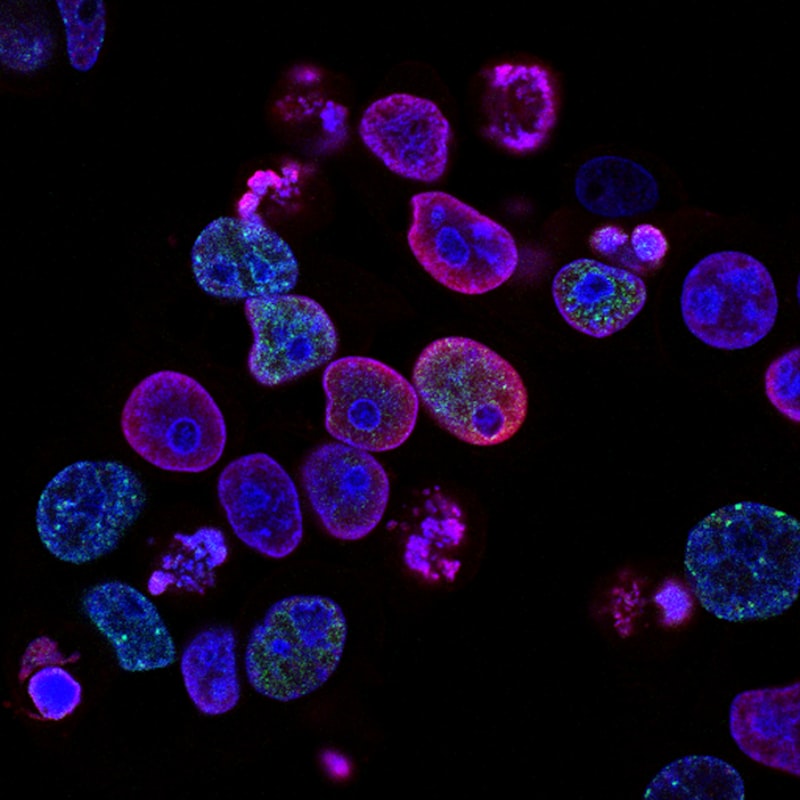
Your intestinal tract is home to trillions of microorganisms, collectively known as the gut microbiome. These microbes play critical roles in nutrient absorption, immune function regulation, vitamin production (like Vitamin K), and maintaining the structural integrity of the intestinal barrier.
The balance of these species matters deeply. When this balance is disrupted (dysbiosis) due to antibiotics, poor diet, or illness, digestive symptoms often emerge.
The Biological Pathway
Yogurt ingestion → Survival (bacteria resist stomach acid and bile salts) → Transit (bacteria reach the large intestine) → Interaction (cultures interact with resident microbiota and intestinal immune cells) → Potential metabolic effects (production of short-chain fatty acids, competitive inhibition of pathogens, and immune modulation).
It is important to note that the bacteria in yogurt generally do not permanently colonize the gut. They act more like beneficial "tourists," exerting positive effects as they pass through.
Digestion and Lactose Tolerance
One of the most robust, evidence-based benefits of yogurt is its ability to improve lactose digestion. People who are lactose intolerant lack sufficient lactase, the enzyme needed to break down lactose (milk sugar).
The bacterial cultures in yogurt inherently possess the enzyme β-galactosidase. During fermentation, and continuing within the human digestive tract, these bacteria break down a significant portion of the lactose present in the yogurt.
Because of this mechanism, many individuals who experience bloating, gas, or diarrhea when drinking milk can tolerate yogurt without any adverse symptoms. The European Food Safety Authority (EFSA) officially recognizes and supports this specific health claim.
What Research Actually Shows
When we look at systematic reviews and clinical trials, the evidence for yogurt's digestive benefits is highly specific:
- Strain-specific evidence: Different strains do entirely different things. A strain that helps with constipation will not necessarily help with immune function.
- Antibiotic-associated diarrhea: There is moderate evidence that consuming specific probiotic yogurts alongside antibiotics can reduce the risk of diarrhea, as the introduced bacteria help maintain some microbial balance.
- IBS symptom management: Some specific strains, such as certain Bifidobacterium species added to yogurt, have shown limited but positive results in reducing bloating and improving bowel regularity in IBS patients.
- Immune modulation: The gut houses a vast portion of the immune system. Some studies suggest limited evidence for immune modulation via yogurt consumption, though claims of "boosting immunity" are often overblown.
KEY INSIGHT: Most benefits are strain-specific, not "all yogurt helps with everything."
The Added Sugar Problem

A major issue with relying on yogurt for gut health is the commercial addition of sugar. Many popular flavored yogurts contain 15 to 25 grams of added sugar per small serving—equivalent to eating a candy bar.
The Paradox: High intakes of refined sugar can feed less beneficial, pro-inflammatory bacteria and yeasts in the gut. Therefore, eating a heavily sweetened product marketed for "gut health" may actively undermine your microbiome.
Plain yogurt contains naturally occurring sugars from milk (lactose), but no added sucrose or high-fructose corn syrup. Choosing plain yogurt is essential to actually reaping the health benefits.
Myth vs Reality
"All yogurt is probiotic."
Only yogurt with 'live active cultures' contains bacteria, and only specific strains provide true probiotic benefits.
"Yogurt cures digestive diseases."
It may support gut comfort, but it cannot cure clinical conditions like Crohn's, Ulcerative Colitis, or Celiac disease.
"More yogurt = better gut health."
Benefits plateau. Eating excessive amounts won't supercharge your gut and adds unnecessary calories.
"Flavored yogurt is just as healthy."
Added sugar in flavored yogurts can promote inflammation and feed less desirable gut microbes.
"Yogurt can replace prescribed probiotics."
Clinical probiotics are highly concentrated, specific strains prescribed for targeted therapeutic effects.
"Yogurt 'detoxes' the gut."
The gut doesn't need 'detoxing.' Your liver, kidneys, and normal digestive processes handle waste naturally.
"Greek yogurt is always better."
It has more protein and less lactose, but traditional yogurt often has similar or sometimes greater culture counts.
"Yogurt prevents all digestive problems."
Digestive issues have many causes (stress, fiber lack, disease) that yogurt alone cannot prevent.
Evidence-Based Benefits
What Yogurt Cannot Do
- Cannot cure digestive conditions: It is not a treatment for Irritable Bowel Syndrome (IBS), Inflammatory Bowel Disease (IBD), or other clinical GI diseases.
- Cannot 'detox' or 'cleanse' the gut: Your body manages waste removal naturally.
- Cannot replace prescribed medications: Never substitute yogurt for medical treatments or prescribed clinical probiotics.
- Cannot single-handedly establish a healthy microbiome: Gut health requires a diverse diet rich in fiber; one food cannot do all the work.
- Cannot overcome the effects of a poor overall diet: Eating yogurt while consuming a diet high in ultra-processed foods will yield minimal benefits.
Who Should Be Cautious?
- Severe lactose intolerance: While many tolerate it, those with extreme sensitivity might still react.
- Milk protein allergy: An allergy to casein or whey is an immune response, not a digestive one. Yogurt is not safe for dairy allergies.
- Immunocompromised individuals: Introducing live bacterial cultures can pose risks of opportunistic infections in severely immunocompromised patients.
- People on specific dietary restrictions: Vegans and those on dairy-free protocols.
- Histamine intolerance: Fermented foods, including yogurt, are naturally high in histamines and can trigger symptoms in sensitive individuals.
Choosing the Right Yogurt
- Look for the 'live active cultures' seal or explicitly listed strains on the label.
- Choose plain, unsweetened varieties over flavored options.
- Check the sugar content meticulously; keep added sugars to zero if possible.
- Consider whole milk vs low-fat based on your overall dietary fat needs and satiety goals.
Practical Daily Tips
- Include plain yogurt as part of a varied, balanced diet rather than a magical cure.
- Add fresh fruit, berries, or a drizzle of honey yourself instead of buying pre-flavored ones.
- Don't rely on yogurt alone; eat diverse fiber sources (prebiotics) to feed beneficial bacteria.
- Incorporate a variety of other fermented foods like kimchi, sauerkraut, and kefir.
Frequently Asked Questions
Can yogurt improve digestion?
Is Greek yogurt better for gut health?
How much yogurt should I eat for gut benefits?
Can yogurt help with bloating?
Is yogurt safe during pregnancy?
Can yogurt help with constipation?
Do probiotic supplements work better than yogurt?
Can I eat yogurt if I'm lactose intolerant?
Does freezing yogurt kill the live cultures?
Are plant-based yogurts as beneficial as dairy yogurt?
Evidence & Sources
- World Health Organization (WHO): Guidelines on the evaluation of probiotics in food and establishment of safe, beneficial strain usage.
- National Institutes of Health (NIH): Probiotics Fact Sheet for Health Professionals, detailing strain-specific evidence and lactose digestion benefits.
- International Scientific Association for Probiotics and Prebiotics (ISAPP): Consensus statements on fermented foods vs probiotics and their health impacts.
- Cochrane Reviews: Systematic reviews evaluating probiotics for the prevention of antibiotic-associated diarrhea.
- National Health Service (NHS): Guidance on probiotics, highlighting appropriate use and limitations for treating digestive disorders.