Can Carrots Improve Your Eyesight?
Short Answer: Carrots are a good source of beta-carotene, which the body converts to vitamin A — a nutrient essential for normal vision. However, eating extra carrots will not give you 'super vision' or correct existing eye problems like myopia. The claim originates partly from WWII propaganda, not medical science.
The Claim & WWII Origin
Many of us grew up hearing, "Eat your carrots, they're good for your eyes!" This popular claim has an interesting historical origin. During World War II, the British Royal Air Force developed a new, secret radar technology (Airborne Interception Radar) that allowed their pilots to spot German bombers at night.
To keep this technology a secret, the British Ministry of Information launched a widespread propaganda campaign. They claimed their pilots were eating large amounts of carrots to improve their night vision. The public bought into the story, and the myth that carrots could give you exceptional night vision or overall improved eyesight has persisted for decades.
What Does Science Say?
Beta-Carotene and Vitamin A — Biological Mechanism
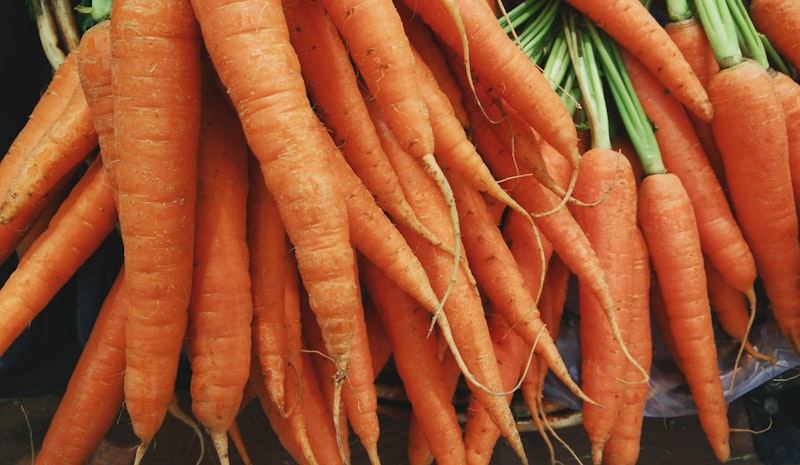
Carrots are rich in beta-carotene, a type of carotenoid pigment that gives them their bright orange color. Beta-carotene is a provitamin, meaning the body converts it into an active vitamin. The biological mechanism of how this aids vision is well-understood:
- 1
Intestinal Absorption: Beta-carotene is absorbed in the intestines and converted to retinol (vitamin A) by the enzyme BCO1.
- 2
Transport: Retinol is transported to the liver, where it is stored or distributed into the bloodstream.
- 3
Retina Conversion: Inside the retina of the eye, retinol is converted into retinal, an aldehyde form of the vitamin.
- 4
Rhodopsin Formation: Retinal combines with a protein called opsin to form rhodopsin, the light-sensitive pigment found in rod cells.
- 5
Vision Processing: When light hits rhodopsin, it causes a conformational change that generates a neural signal sent to the brain, enabling vision in low-light conditions.
What Vitamin A Deficiency Actually Does
Without sufficient vitamin A, the body cannot produce enough rhodopsin. This leads to a condition called night blindness (nyctalopia) — an inability to see in dim light or darkness. Severe deficiency can also cause xerophthalmia, a progressive condition characterized by severe dry eyes and corneal damage, which can lead to permanent blindness if untreated.
Vitamin A deficiency is a significant public health problem in many developing countries. In these cases, consuming carrots or other vitamin A sources can reverse night blindness and restore normal vision by replenishing rhodopsin levels.
The Catch: If you are already getting enough vitamin A in your diet (as most people in developed nations do), eating extra carrots will not improve your vision further. Your body only uses what it needs; it cannot build "super vision" from excess vitamins.
Can Carrots Correct Myopia or Other Vision Problems?
No, eating carrots cannot correct nearsightedness (myopia), farsightedness (hyperopia), or astigmatism. These are structural issues related to the physical shape of your eyeball or the curvature of your cornea and lens.
When light enters a healthy eye, it focuses precisely on the retina. In myopia, the eyeball is elongated, causing light to focus in front of the retina, making distant objects blurry. Carrots and vitamin A cannot alter the structural shape of the eye.
Furthermore, carrots do not prevent or cure cataracts, glaucoma, or age-related macular degeneration (AMD). While certain antioxidants like lutein and zeaxanthin (found in leafy greens, not primarily in carrots) show promise for supporting macular health, carrots themselves are not a treatment for these structural and degenerative diseases.
Myth vs Reality
"Eating carrots gives you better eyesight"
It only helps maintain normal vision or restores it if you are actively deficient in vitamin A.
"Carrots cure night blindness"
They only reverse night blindness that is strictly caused by severe vitamin A deficiency.
"Carrots can correct nearsightedness"
Myopia is a structural defect of the eyeball length. Diet cannot change the shape of your eye.
"Orange vegetables are the best source of vitamin A"
Liver, dairy, and eggs provide preformed vitamin A (retinol) which the body uses more efficiently.
"Eating more carrots means more vitamin A"
Conversion of beta-carotene to vitamin A is highly regulated by the body; excess is simply stored in fat.
"Carrots prevent cataracts"
There is no strong clinical evidence that carrots specifically prevent cataracts, an aging process of the lens.
"Carrot juice is better than whole carrots"
Whole carrots provide valuable dietary fiber. Juicing removes fiber and concentrates the sugars.
"You can't eat too many carrots"
Excessive beta-carotene intake can cause carotenemia, turning your skin noticeably orange-yellow.
Evidence-Based Benefits
Maintains Normal Vision (Supported)
Sufficient vitamin A intake supports the functioning of rod cells and keeps the cornea clear and healthy.
Antioxidant Protection (Possible)
Carotenoids act as antioxidants that may help protect cellular structures from oxidative stress, though direct links to preventing eye diseases are weak.
Curing Refractive Errors (Unsupported)
There is no scientific basis for carrots correcting structural eye issues requiring glasses or contacts.
What Carrots Cannot Do
- • Eliminate the need for glasses or contact lenses.
- • Cure existing structural eye problems (myopia, astigmatism).
- • Provide "x-ray" or super-human night vision.
- • Act as a substitute for professional eye exams and medical treatments.
Who May Need Caution?
While carrots are highly healthy, extreme consumption carries a mild risk:
- • Carotenemia: Overeating carrots can cause your skin to turn a harmless but surprising yellow-orange hue, particularly on the palms and soles.
- • Juice Drinkers: Carrot juice removes fiber and concentrates sugar. Diabetics should monitor intake carefully.
What Actually Supports Eye Health?
Comprehensive Eye Exams: Regular check-ups with an optometrist or ophthalmologist.
UV Protection: Wearing sunglasses that block 99-100% of UVA and UVB radiation.
Dark Leafy Greens: Spinach and kale contain lutein and zeaxanthin, linked to lower risks of AMD.
Omega-3 Fatty Acids: Found in salmon and flaxseeds, crucial for retinal health and tear production.
Practical Daily Tips
Pair with Fat: Vitamin A is fat-soluble. Eat carrots with a bit of healthy fat (like olive oil or hummus) to maximize beta-carotene absorption.
The 20-20-20 Rule: To prevent digital eye strain, every 20 minutes, look at something 20 feet away for 20 seconds.
Diverse Diet: Eat a rainbow of vegetables rather than relying on just carrots for vision health.