

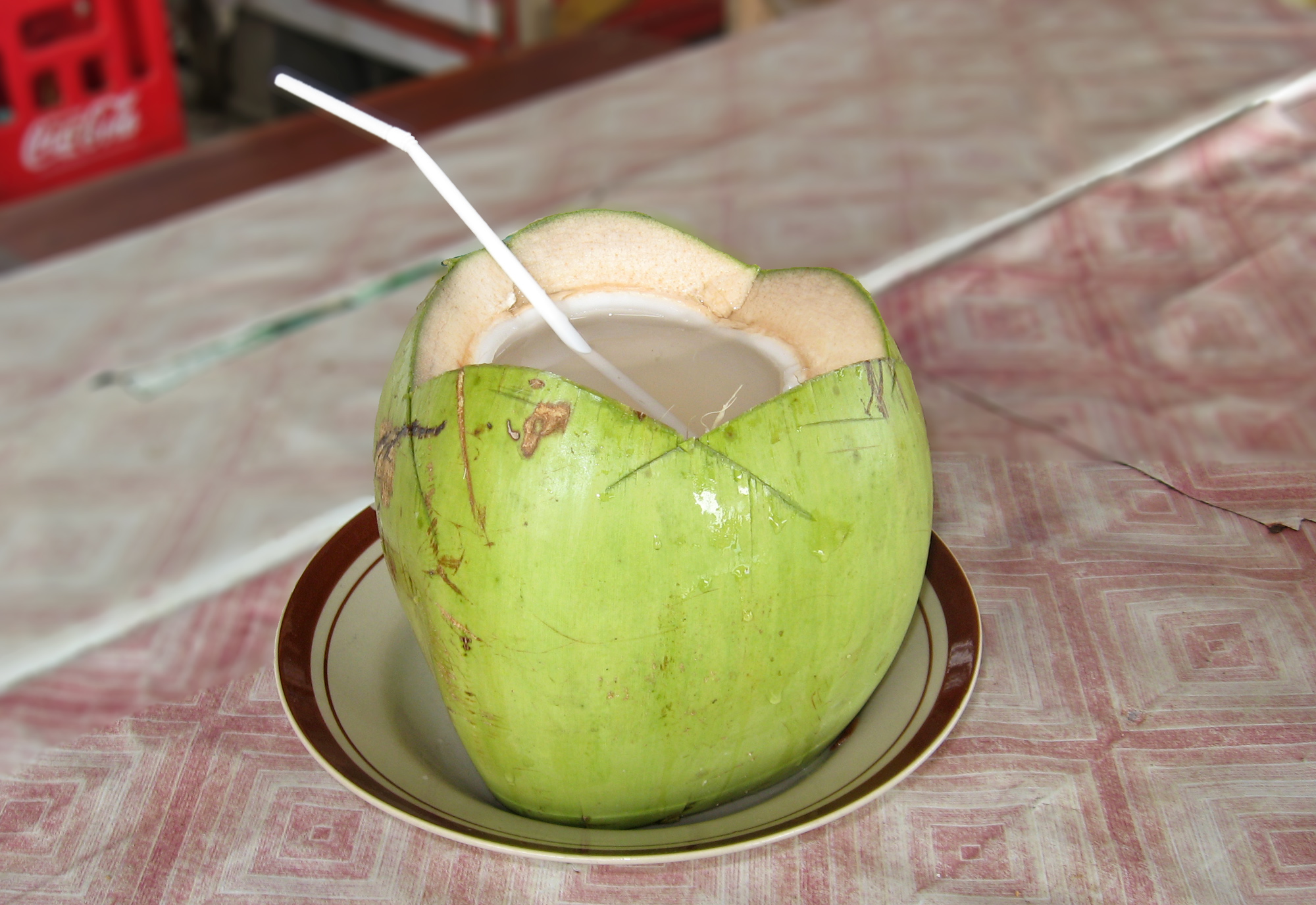
Is Coconut Water Better Than Plain Water?
The Short Answer
Coconut water is a natural source of electrolytes (especially potassium) and can be a refreshing alternative to plain water. However, for most people in most situations, plain water is perfectly adequate for hydration. Coconut water is not a medical rehydration solution and is often marketed with exaggerated health claims.
The Claim Explained
In recent years, coconut water has been intensely marketed as "nature's sports drink," "miracle water," and a superior hydration source compared to plain water. Social media health influencers frequently tout it as the ultimate cure for everything from everyday thirst and post-workout fatigue to hangovers and kidney detoxing.
The underlying claim is that because it contains natural electrolytes, it must hydrate you faster and better than plain water. But does science actually support these broad assertions? The reality is much more nuanced, depending heavily on your activity level and baseline hydration needs.
What's in Coconut Water?

To understand how coconut water affects the body, we must first look at its composition. It is primarily composed of:
- Water: About 95% of its volume.
- Potassium: A notable amount, often higher than many common beverages (including sports drinks).
- Sodium: A relatively low amount, significantly less than commercial sports drinks and Oral Rehydration Salts (ORS).
- Natural Sugars: Roughly 6 grams per cup (240ml), which provides mild carbohydrate energy.
- Other Minerals: Trace amounts of magnesium and calcium.
Beverage Comparison (Approx. per 8 oz / 240ml)
| Component | Plain Water | Coconut Water | Sports Drink | ORS (WHO Formula) |
|---|---|---|---|---|
| Calories | 0 kcal | ~45 kcal | ~50 kcal | ~20 kcal |
| Sodium | Trace | ~40-60 mg | ~110-160 mg | ~400-500 mg |
| Potassium | Trace | ~400-600 mg | ~30-45 mg | ~150-190 mg |
| Sugars | 0 g | ~6-9 g | ~14 g | ~3-5 g (glucose) |
Hydration Science: What Your Body Actually Needs
When you drink any fluid, it travels to your intestines where it is absorbed into your bloodstream. The rate of absorption depends on osmolality (the concentration of particles like sugars and electrolytes).
Your body uses a mechanism called the sodium-potassium pump to maintain fluid balance within cells. When you sweat, you lose primarily water, sodium, and chloride—but very little potassium.
- For daily activities: Plain water is entirely sufficient. Your regular diet easily replaces the small amounts of electrolytes lost during the day.
- For intense exercise (>60 mins): When you sweat heavily, replacing lost sodium becomes crucial. This is where electrolyte-enhanced drinks become useful.
- For clinical dehydration (illness/diarrhea): Fluid loss must be managed with precise ratios of sodium and glucose to maximize absorption through the intestinal wall. The World Health Organization's Oral Rehydration Salts (ORS) are specifically formulated for this.
Coconut Water vs. Sports Drinks vs. ORS
Sports Drinks
Designed with higher sodium and carbohydrates specifically to replace what is lost during prolonged, intense exercise and provide quick energy.
Oral Rehydration Salts (ORS)
Formulated by the WHO with a highly specific sodium-to-glucose ratio to treat clinical dehydration from illness (diarrhea, vomiting). It is the gold standard for medical rehydration.
🥥Coconut Water
High in potassium but relatively low in sodium. Because sweat contains far more sodium than potassium, coconut water falls short for serious rehydration needs after heavy sweating or severe fluid loss. However, for casual exercise or general refreshment, it is perfectly fine.
Myth vs Reality
Coconut water is better than water for everyday hydration.
For routine daily hydration, plain water is entirely sufficient and calorie-free. Coconut water offers no superior hydration benefit for people just sitting at a desk or running errands.
It is nature's perfect sports drink.
It lacks adequate sodium, which is the primary electrolyte lost in sweat. It cannot fully replace the electrolytes lost during intense, prolonged exercise.
Coconut water cures clinical dehydration.
It is not equivalent to Oral Rehydration Salts (ORS) and does not have the correct sodium-glucose ratio to effectively treat severe dehydration from illness.
It is a calorie-free drink.
A standard cup contains roughly 45 calories and natural sugars. While lower in calories than juice or soda, it is not calorie-free like plain water.
It dramatically lowers blood pressure.
While its high potassium content can support cardiovascular health, it is not a medical treatment for hypertension. It should not replace prescribed medications.
It flushes and detoxes your kidneys.
Your kidneys detox themselves automatically when you are adequately hydrated with any fluid. There is no special detoxifying compound in coconut water.
It is the ultimate hangover cure.
Any hydrating fluid helps a hangover. While the potassium in coconut water might help slightly with electrolyte balance, it is no more a miracle cure than plain water and food.
It is superior to all other beverages.
It is simply one beverage option among many. It is a pleasant, moderately nutritious drink, but not a magical elixir.
Evidence-Based Benefits
Supported: Good Source of Potassium
It provides a substantial amount of dietary potassium, which many people lack. Potassium is essential for muscle function and heart health.
Supported: Refreshing Hydration Alternative
For individuals who struggle to drink plain water due to taste, unsweetened coconut water can encourage better overall fluid intake.
Possible: Light Post-Workout Hydration
For light or moderate exercise under 60 minutes, it is a suitable and natural way to rehydrate, though not significantly better than water.
What Coconut Water CANNOT Do
- Replace ORS for severe illness: It cannot treat dehydration caused by severe diarrhea, vomiting, or cholera. Do not use it as a substitute for medical oral rehydration therapy.
- Serve as an elite sports drink: It cannot adequately replace sodium lost during marathons, prolonged endurance sports, or heavy sweating in high heat.
- Act as a zero-calorie water substitute: Drinking multiple servings daily adds significant calories and natural sugars to your diet.
Who May Need Caution?
Chronic Kidney Disease
People with advanced kidney disease who need to restrict dietary potassium must be very careful with coconut water due to its high potassium content.
Individuals with Diabetes
While natural, it does contain carbohydrates (sugars). Those monitoring their blood glucose levels should account for these carbs.
Practical Daily Tips
Check the label: Many commercial coconut waters have added sugar or fruit juices. Look for "100% pure coconut water" with no added sugar.
Enjoy in moderation: Treat it as an occasional beverage or light post-workout drink, rather than a total replacement for plain water.
Don't rely on it for serious sickness: If you or a child has severe diarrhea or vomiting, buy standard ORS packets from a pharmacy instead.
Frequently Asked Questions
Can I drink coconut water every day?
Is coconut water better than plain water first thing in the morning?
Does coconut water help with weight loss?
Is it safe during pregnancy?
Why doesn't coconut water work for severe dehydration?
Can coconut water replace a meal?
Is pink coconut water safe to drink?
Can I give coconut water to my baby?
Does it help clear up acne?
Is it better to drink it before or after a workout?
Quick Navigation
Evidence & Sources
- World Health Organization (WHO) Guidelines on Oral Rehydration Salts (ORS)
- National Institutes of Health (NIH) - Studies on Potassium and Hydration
- American College of Sports Medicine (ACSM) Position Stand on Exercise and Fluid Replacement