

Essential Diet Plan for Healthy Kidneys & CKD Patients
Whether you are protecting healthy kidneys or managing Chronic Kidney Disease (CKD Stages 1 through 5), precision nutrition is your most potent clinical defense. Learn how managing the 5 Core Renal Pillars—Sodium, Potassium, Phosphorus, Protein, and Fluids—protects nephrons, prevents toxic uremic buildup, and sustains energy and longevity.
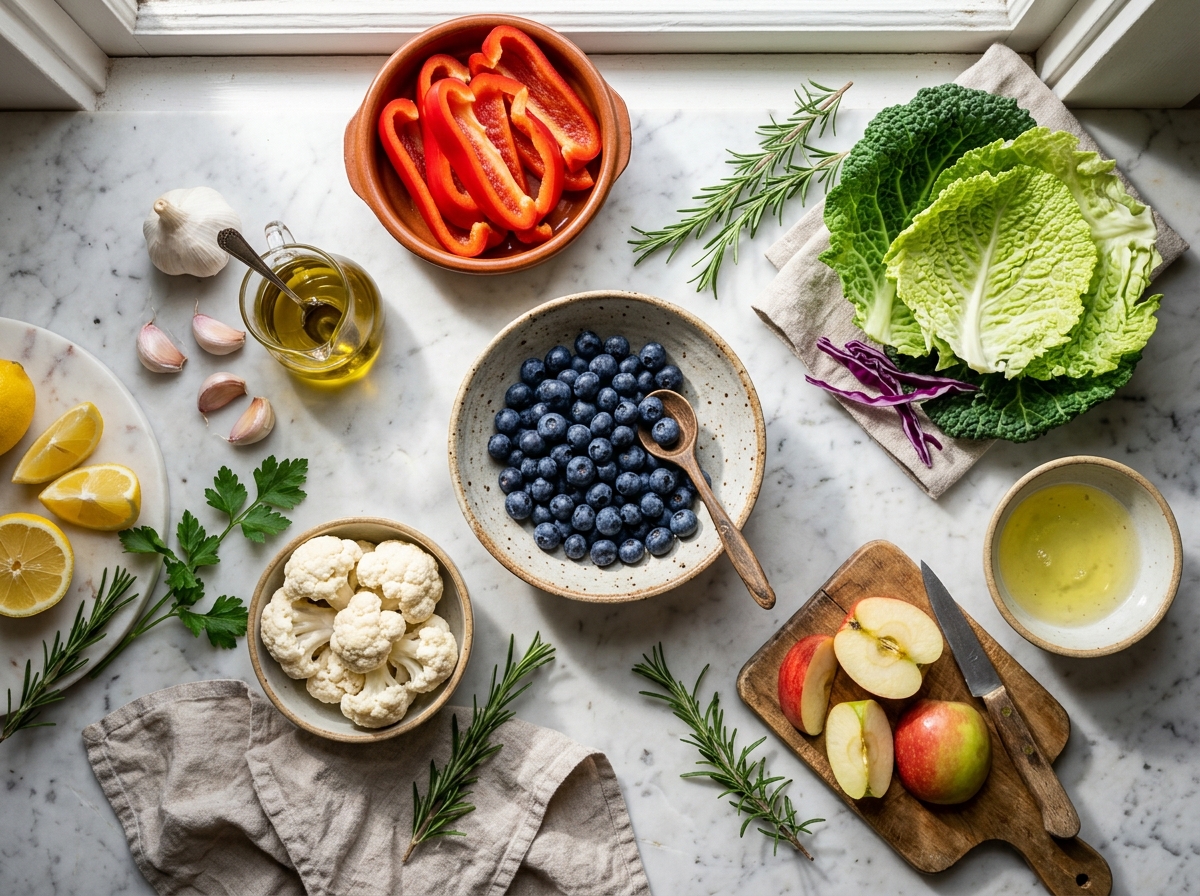
8+ Clinically Verified Renal Superfoods
The Complete Kidney Superfood Arsenal
Blueberries deliver anthocyanin antioxidants that protect glomerular capillaries without potassium overload. Red bell peppers supply full-spectrum vitamin A, C, and B6 at only 211 mg K+ per 100g. Cauliflower provides the perfect low-potassium mashed potato alternative (176 mg K+). Extra virgin olive oil adds heart-protective oleic acid and polyphenols with zero electrolyte load.

HBV Protein · Zero Phosphorus Yolk · Rich Antioxidants
The Gold-Standard CKD Breakfast Bowl
Two egg whites deliver High Biological Value (HBV) protein with virtually zero phosphorus (all egg phosphorus is in the yolk). Paired with vitamin-C-rich red and yellow bell peppers (boosts iron absorption) and antioxidant-rich blueberries (114 mg K+ / 100g). Drizzled with anti-inflammatory garlic olive oil. Estimated total: ~15g protein, <200mg sodium, ~250mg potassium.
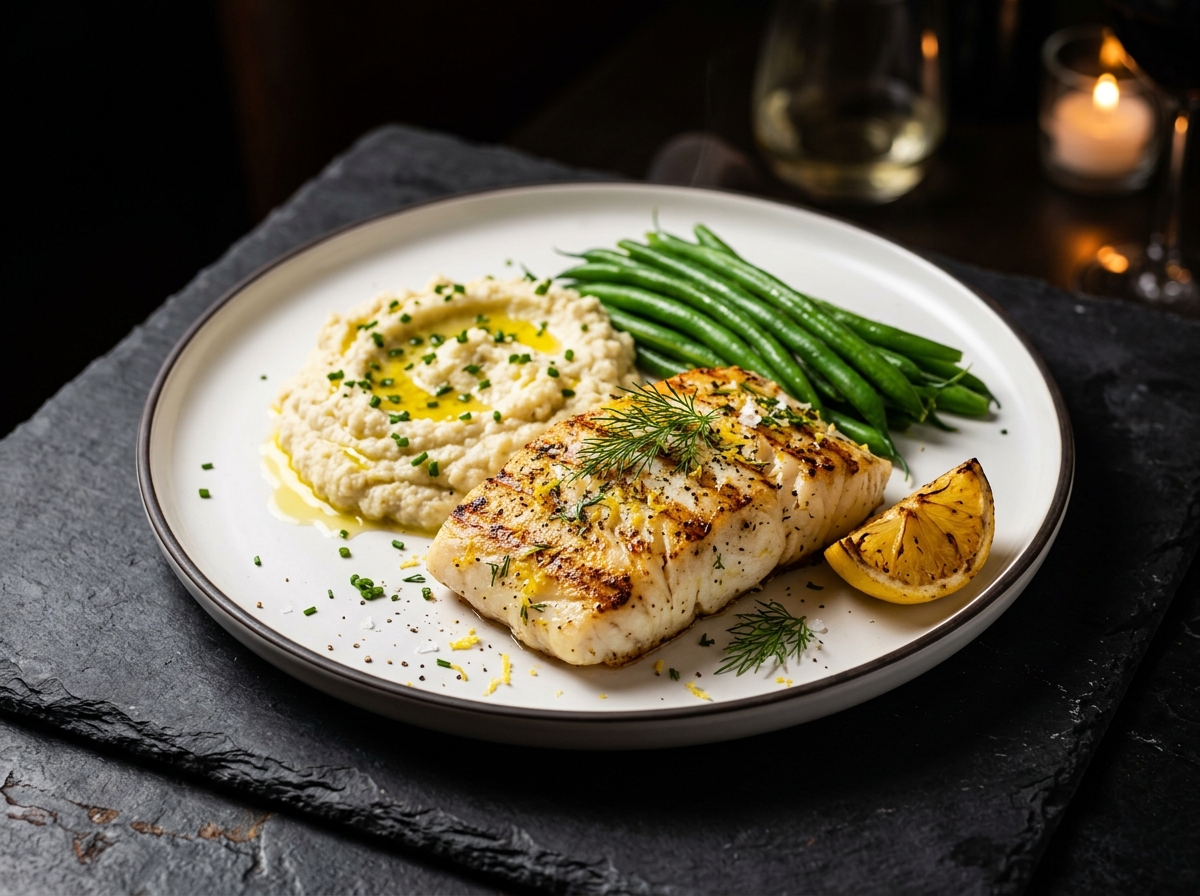
Omega-3 Rich · Low Potassium · Anti-Inflammatory
The Nephrologist-Approved Renal Dinner
A 3 oz grilled wild cod fillet delivers 20–24g of high-quality protein with moderate phosphorus (180mg) and heart-protective omega-3 EPA/DHA. Paired with creamy steamed cauliflower mash (176 mg K+/100g) replacing dangerous mashed potatoes, and crisp steamed green beans. Total dinner: ~24g protein, ~50mg sodium, ~480mg potassium — within Stage 3 CKD targets.
Select Your Kidney Function Stage
Nutrient requirements shift dramatically as glomerular filtration rate (eGFR) changes. Switch below to see precise targets.
CKD Stage 3a & 3b (Moderate) (eGFR 30 – 59 mL/min)
Significant reduction in functional nephrons. Accumulation of urea nitrogen, early phosphate retention, impaired vitamin D activation, and secondary hyperparathyroidism.
Protein restriction without protein-energy wasting, monitoring serum bicarbonate (>22 mEq/L) to prevent metabolic acidosis.
Kidney Superfoods vs. High-Risk Foods (With Smart Swaps)
Explore clinical safety profiles, electrolyte values, and exact kitchen substitutions to protect failing kidneys while maintaining gourmet flavor.
Cauliflower
Rich in vitamin C, folate, and sulforaphane. An outstanding low-potassium alternative that can be mashed to replace high-potassium mashed potatoes.
Blueberries & Blackberries
Packed with anthocyanin antioxidants that fight systemic inflammation and protect glomerular capillaries without potassium overload.
Red Bell Peppers
Unlike most vegetables, red bell peppers provide abundant vitamin A, C, and B6 while maintaining an exceptionally low potassium profile.
Egg Whites (Albumin)
The gold-standard High Biological Value (HBV) protein. 100% pure protein with almost zero phosphorus, as all egg phosphorus is concentrated in the yolk.
Extra Virgin Olive Oil
Calorie-dense healthy monounsaturated fat (oleic acid) and polyphenols that combat cardiovascular risk in renal patients without mineral load.
Garlic & Onions
Contains allicin and quercetin. Delivers intense savory flavor so you can eliminate added table salt without compromising taste.
Cabbage (Green & Red)
Cruciferous vegetable loaded with vitamins K and C, insoluble fiber, and phytochemicals that promote gut microbiome health and lower uremic toxins.
Apples & Unsweetened Applesauce
High in pectin, a soluble fiber that lowers cholesterol, regulates blood glucose, and reduces nitrogenous load.
Bananas
A single banana delivers roughly 20% of an advanced CKD patient’s entire daily potassium budget. Can trigger sudden cardiac arrhythmia.
Potatoes & Sweet Potatoes (Unleached)
Severe hyperkalemia hazard if boiled whole or fried. Can only be eaten in strict moderation IF leached using the clinical 4-step boiling method.
Star Fruit (Carambola)
FATAL NEUROTOXIN DANGER. Contains carambolin, an oxalate neurotoxin. Healthy kidneys clear it, but in CKD it crosses into the brain causing intractable hiccups, seizures, and death.
Dark Colas & Sodas
Loaded with inorganic phosphoric acid. Unlike organic plant phosphorus (40% absorbed), inorganic phosphate is 90–100% absorbed into the bloodstream, accelerating vascular calcification.
Processed & Cured Meats (Sausage, Bacon, Deli)
A triple threat for kidneys: loaded with sodium chloride (fluid retention), inorganic phosphate salts, and advanced glycation end products.
Salt Substitutes (Potassium Chloride salts)
Brands like Nu-Salt or LoSalt substitute sodium with potassium chloride. One pinch can cause severe hyperkalemia and acute fatal cardiac arrest in CKD patients.
Wild Salmon & Steamed Cod / Whitefish
Supplies high-quality protein and omega-3 fatty acids (EPA/DHA) that lower systemic triglycerides. Must be portion-controlled (3 to 4 ounces) in Stages 3–4.
Unenriched Almond or Rice Milk
Much lower in potassium and phosphorus than cow’s milk (which contains ~380 mg K and 230 mg P per cup). Check label to confirm no added tricalcium or potassium phosphate.
How to Leach Vegetables (Removes Up to 50% Potassium)
Root vegetables like potatoes, carrots, yams, and squash can be made safer for CKD Stages 3–5 by leaching excess potassium ions into warm water before cooking.
One-Day Nephrologist-Approved Renal Menu
Engineered for CKD Stage 3 (~1,800 kcal, ~50g protein, <1,500mg sodium, low potassium, low phosphorus).
2 egg whites scrambled in olive oil with diced red bell peppers + 1/2 cup fresh blueberries + 1 slice sourdough toast.
1 small crisp apple sliced and dusted with ground cinnamon (zero sodium, rich in soluble pectin fiber).
3 oz fresh cod with lemon dill + 1 cup steamed cauliflower mash drizzled with garlic-infused olive oil + steamed green beans.
3 oz chicken tenderloins sautéed with shredded purple cabbage, garlic, and scallions over 1/2 cup jasmine white rice.
Critical Red Flags: Absolute Contraindications
Failing kidneys lose the ability to clear specific dietary toxins and mineral spikes. Avoid these catastrophic hazards:
NEVER eat star fruit or drink star fruit juice. It contains carambolin, an oxalate neurotoxin that accumulates in renal failure, causing seizures, coma, and permanent brain damage.
"Low sodium" salts replace sodium with potassium chloride. Just 1 teaspoon delivers over 800 mg of potassium, risking sudden fatal ventricular tachycardia.
Over-the-counter painkillers (Ibuprofen, Naproxen, Diclofenac) constrict renal afferent arterioles, precipitating acute on chronic renal failure.
Inspect ingredient lists for "Pyrophosphate", "Dicalcium phosphate", or "Phosphoric acid". Inorganic forms are 100% absorbed, petrifying blood vessels.
Need a Customized Renal Diet Plan for Your Exact Lab Values?
Every kidney is unique. Serum potassium, eGFR, proteinuria, and bicarbonate fluctuate with medication and disease etiology. Always work alongside a Registered Dietitian Nutritionist (RDN) specializing in clinical nephrology.
Frequently Asked Clinical Questions Regarding Renal Nutrition
Why is protein restricted in Stages 3–4 CKD, but increased once on dialysis?
In pre-dialysis CKD (Stages 3–4), dietary protein metabolism produces urea, creatinine, and acidic nitrogenous wastes that overburden the remaining functioning nephrons and trigger intraglomerular hypertension. Restricting protein to 0.6–0.8 g/kg/day reduces this hyperfiltration strain. Conversely, once a patient initiates hemodialysis or peritoneal dialysis, the dialysis procedure itself clears small solutes but strips significant amounts of essential amino acids and peptides through the dialysate filter (~10–15g per session). Therefore, dialysis patients require a higher protein intake (1.2–1.3 g/kg/day) to prevent severe protein-energy wasting (PEW) and muscle wasting.
What is the difference between organic food phosphorus and inorganic food additives?
Organic phosphorus found naturally in whole plant foods (beans, lentils, nuts, grains) is bound to phytates, meaning the human digestive tract only absorbs approximately 30% to 50% of it. However, inorganic phosphate additives—used extensively as preservatives, emulsifiers, and moisture-enhancers in dark sodas, processed meats, frozen meals, and bakery mixes—are completely water-soluble and absorbed at a rate of 90% to 100%. This rapid flood of inorganic phosphorus accelerates arterial calcification and bone-mineral disorders (CKD-MBD).
Why are salt substitutes with potassium chloride dangerous for kidney disease?
Many commercial salt substitutes (such as Nu-Salt or LoSalt) replace sodium chloride with potassium chloride to market themselves as "heart healthy." However, in moderate to advanced kidney disease, the nephrons cannot excrete excess potassium. A single 1/4 teaspoon can deliver 800+ mg of concentrated potassium into the bloodstream, precipitating acute severe hyperkalemia (>6.0 mEq/L), ventricular tachycardia, and sudden cardiac arrest. Renal patients must flavor meals with garlic, onion, lemon juice, vinegar, and fresh herbs instead.
What is the Plant-Dominant Low-Protein Diet (PLADO) protocol?
The PLADO protocol is an evidence-backed nutritional approach where at least 50% to 70% of a patient's dietary protein is derived from plant sources rather than animal sources. Plant proteins produce significantly less potential renal acid load (PRAL), generate fewer gut-derived uremic toxins (like indoxyl sulfate and p-cresyl sulfate), help preserve gut microbiome diversity, and provide natural anti-inflammatory polyphenols, all of which substantially slow the progression toward dialysis.
1. KDIGO 2024 Clinical Practice Guideline for the Evaluation and Management of Chronic Kidney Disease. Kidney International, 2024.
2. KDOQI Clinical Practice Guideline for Nutrition in CKD: 2020 Update. American Journal of Kidney Diseases, 2020;76(3)(Suppl 2):S1-S107.
3. Kalantar-Zadeh K, Joshi S, Scherer R, et al. Plant-Dominant Low-Protein Diet for Conservative Management of Chronic Kidney Disease. Nutrients, 2020;12(7):1931.
4. National Kidney Foundation (NKF). Nutrition and Chronic Kidney Disease: Stages 1–5 Non-Dialysis and Dialysis Nutritional Toolkits.