

Hemoglobin
Hemoglobin Test[Hb, Hgb]
Also known as: Hemoglobin Blood Test
A hemoglobin test measures the amount of hemoglobin in your blood, a protein in your red blood cells that carries oxygen.
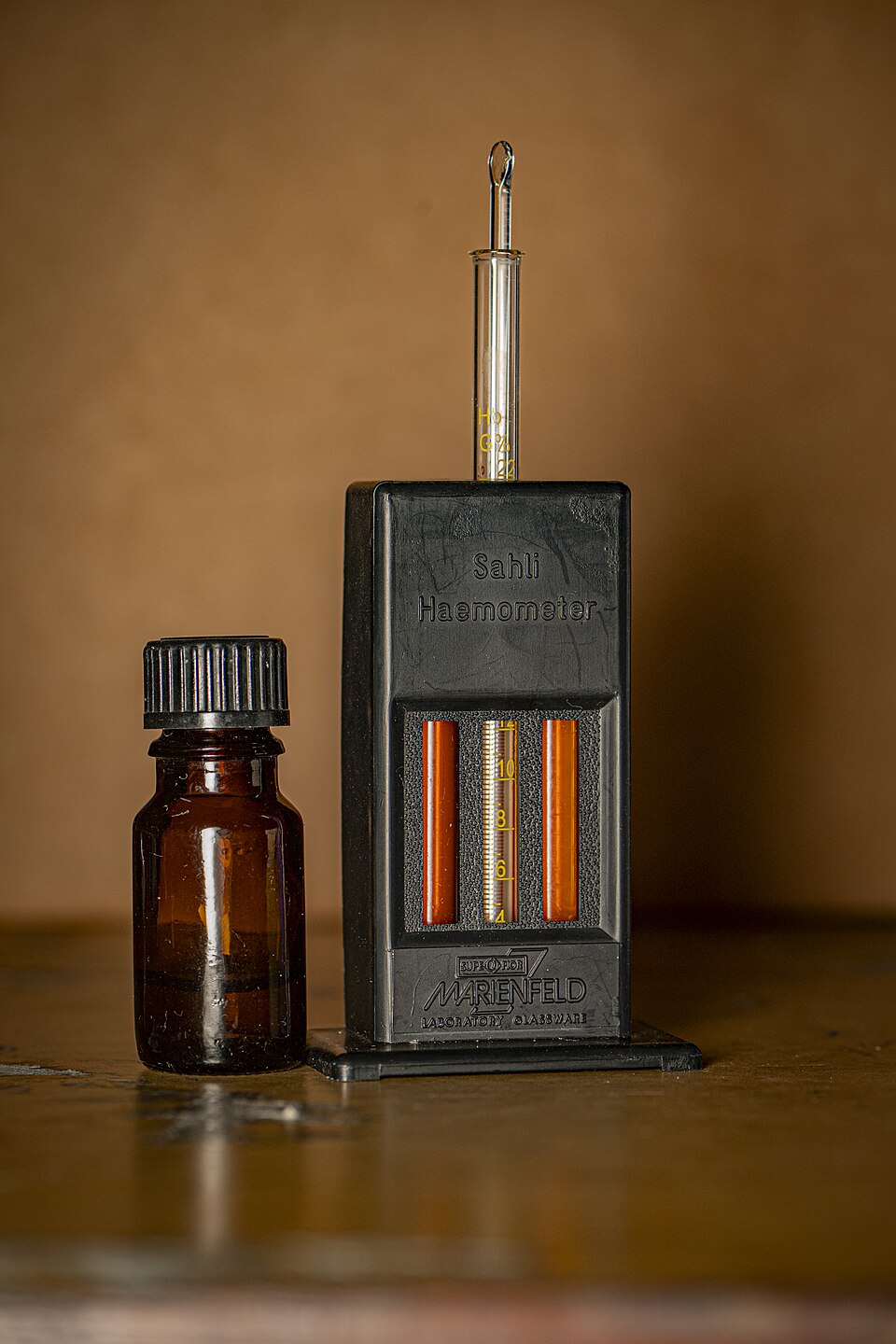
Quick Clinical Facts
What Is This Test?
It is a blood test that determines the level of hemoglobin, the iron-containing protein in red blood cells.
Why Is This Test Done?
To screen for, diagnose, or monitor conditions that affect red blood cells, such as anemia.
When Might a Doctor Recommend This Test?
A healthcare professional may consider ordering this investigation under the following clinical circumstances:
- Symptoms of anemia like fatigue or dizziness
- During routine physical exams
What Can This Test Detect?
- Anemia
- Polycythemia vera
- Cannot alone determine the cause of abnormal hemoglobin levels.
How Does It Work?
A blood sample is analyzed using a photometer or automated analyzer to measure the hemoglobin concentration.
How to Prepare
Preparation can vary depending on the facility. Follow your healthcare team's instructions.
What Happens During the Test?
Blood is drawn from a vein in your arm or via a finger prick.
Slight pinch when the needle is inserted.
Risks & Precautions
- Bruising
- Slight bleeding at the site
Understanding Your Results
What Your Diagnostic Report Generally Contains
The level of hemoglobin in grams per deciliter (g/dL).
Low levels indicate anemia; high levels can indicate lung disease, dehydration, or polycythemia.
Timing depends on whether immediate urgent reads are indicated or specialized laboratory/pathologist review is required.
- Apply pressure to the site.
- Resume normal activities.
Reference ranges vary between laboratories. Your healthcare provider should interpret results.
Frequently Asked Questions
Related Tests & Procedures
Sources & Authoritative References
This information is provided for educational and informational purposes only and is not a substitute for professional medical advice, clinical diagnosis, or personalized treatment. The medical necessity, preparation requirements, and interpretation of any investigation depend upon an individual's unique clinical presentation, history, physical examination, and risk factors.
Do not start, stop, or modify medical treatment, diagnostic testing, or prescription medications based solely on information provided on this platform. Always consult your attending healthcare provider.