

Injections: Types, Uses, Routes, Safety, Side Effects & More
A complete guide to understanding injections, injection routes, common uses, preparation, safety, side effects, and when professional medical care is needed. Learn why specific routes are selected, what to expect before and after, and essential needle safety principles.
Educational Notice: This resource provides peer-reviewed medical education. Prescription injections must never be self-administered without specific training and instructions from a qualified healthcare professional.
What Is an Injection?
Understanding parenteral administration: how medications bypass the digestive system to enter bodily tissues or circulation.
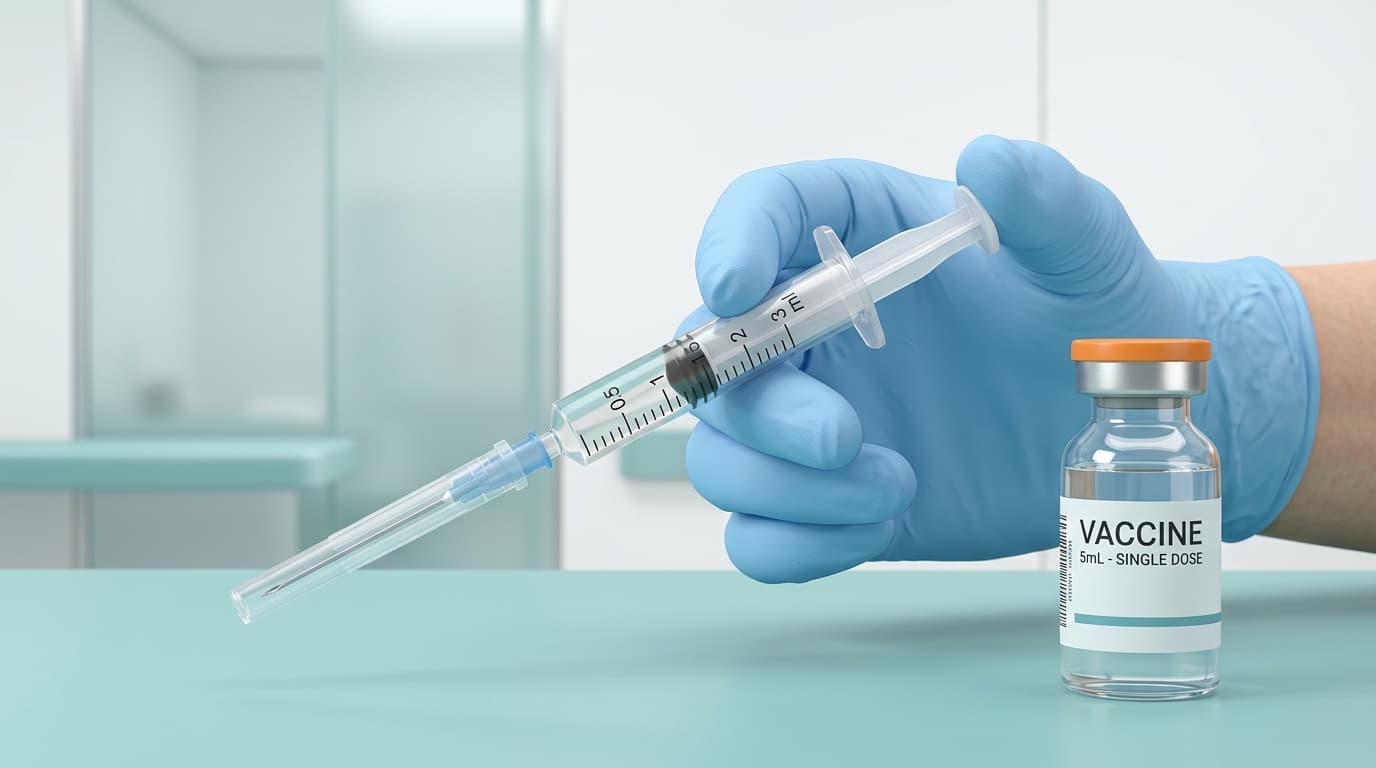
In medical science, an injection (also known as parenteral drug administration) is a clinical method of introducing a liquid substance — such as a medication, vaccine, diagnostic contrast agent, or physiological fluid — directly into bodily tissues or blood vessels using a sterile needle and syringe or an automated infusion device.
Unlike oral medications (tablets, capsules, and liquids) that must pass through the esophagus, survive harsh gastric hydrochloric acid, be digested, and undergo first-pass metabolism in the liver before reaching the general circulation, injections place the active substance exactly into the intended tissue layer or directly into venous blood.
Why Route Matters: Rapid Delivery vs. Sustained Depot Effect
The depth and anatomical target of an injection govern how quickly the medicine enters systemic circulation:
- Rapid Action: Intravenous (IV) injections deliver 100% bioavailability instantly into the bloodstream for critical emergencies.
- Moderate Absorption: Intramuscular (IM) injections disperse through rich capillary beds within muscle tissue for rapid yet gradual uptake.
- Sustained Depot: Subcutaneous (SC) fatty tissue absorbs medicines slowly and steadily, ideal for daily basal insulin or monthly hormonal injections.
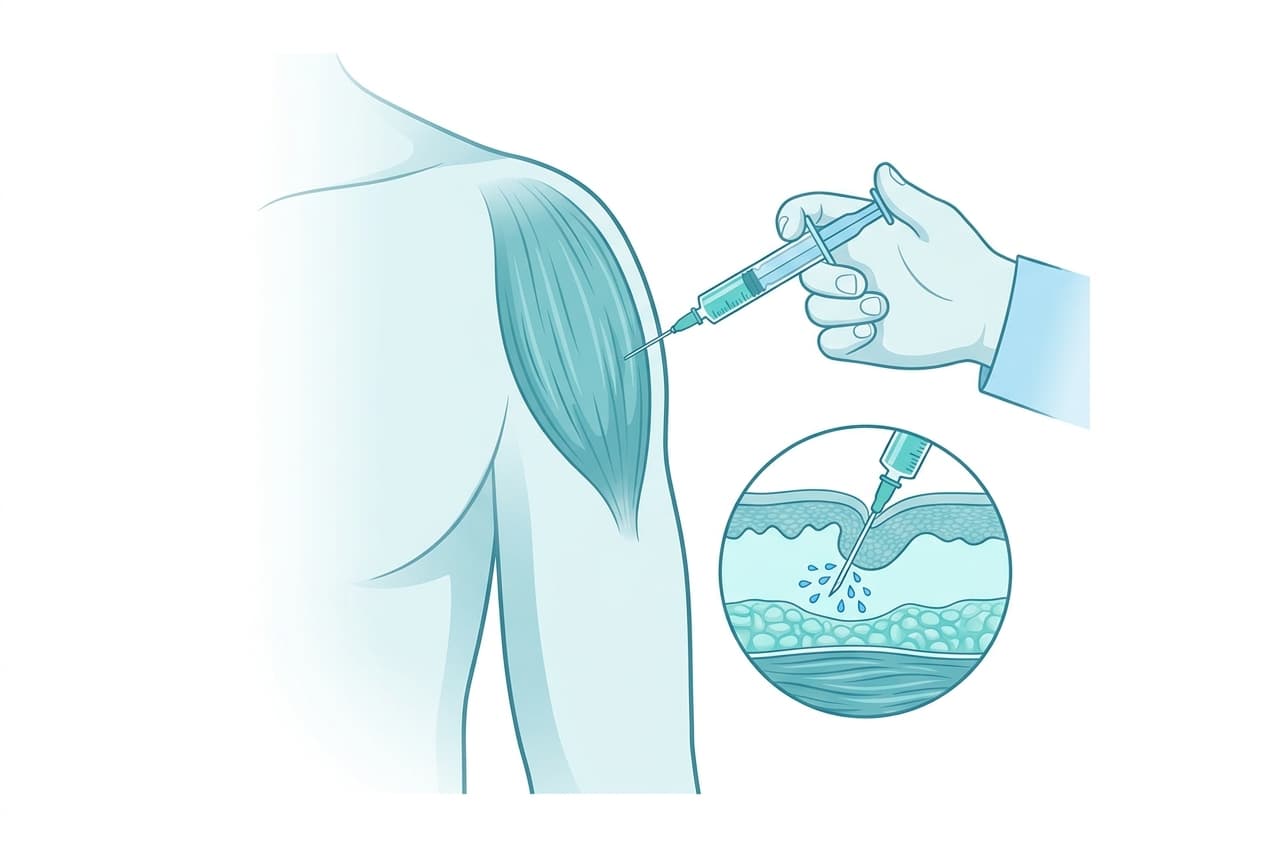
Medications delivered by injection bypass digestive enzyme breakdown, providing predictable bioavailability and precise clinical timing.
Why Are Injections Used?
Clinical indications and therapeutic advantages of parenteral medication delivery.
Vulnerable Chemical Structures
Certain life-saving molecules (like insulin peptide hormones or biologic monoclonal antibodies) would be completely dismantled and digested by stomach acids if swallowed.
Immediate Therapeutic Onset
In critical medical emergencies (anaphylactic shock, acute arrhythmias, severe status epilepticus), intravenous or intramuscular injections act in seconds to minutes.
Impaired Oral Ability or GI Distress
When patients suffer from severe persistent vomiting, bowel obstruction, dysphagia (inability to swallow), or unconsciousness, injections preserve medication access.
Hydration & High-Volume Delivery
Intravenous infusions allow precise fluid resuscitation, total parenteral nutrition, and continuous electrolyte correction in dehydrated or hospitalized individuals.
Localized Targeted Treatment
Injecting directly into an affected anatomical compartment (such as a joint cavity for severe arthritis or the epidural space for regional labor analgesia) limits whole-body side effects.
Optimal Antigen Presentation (Vaccines)
Vaccine antigens stimulate superior cellular and antibody immune responses when presented to dense dendritic immune cells in skeletal muscle or subcutaneous tissue.
Clinical Principle: Injections are not automatically "stronger" or superior to oral tablets. Physicians select injection routes strictly based on pharmacokinetics (how the body absorbs the chemical), clinical urgency, and individual patient health parameters.
Major Types of Injections & Anatomical Routes
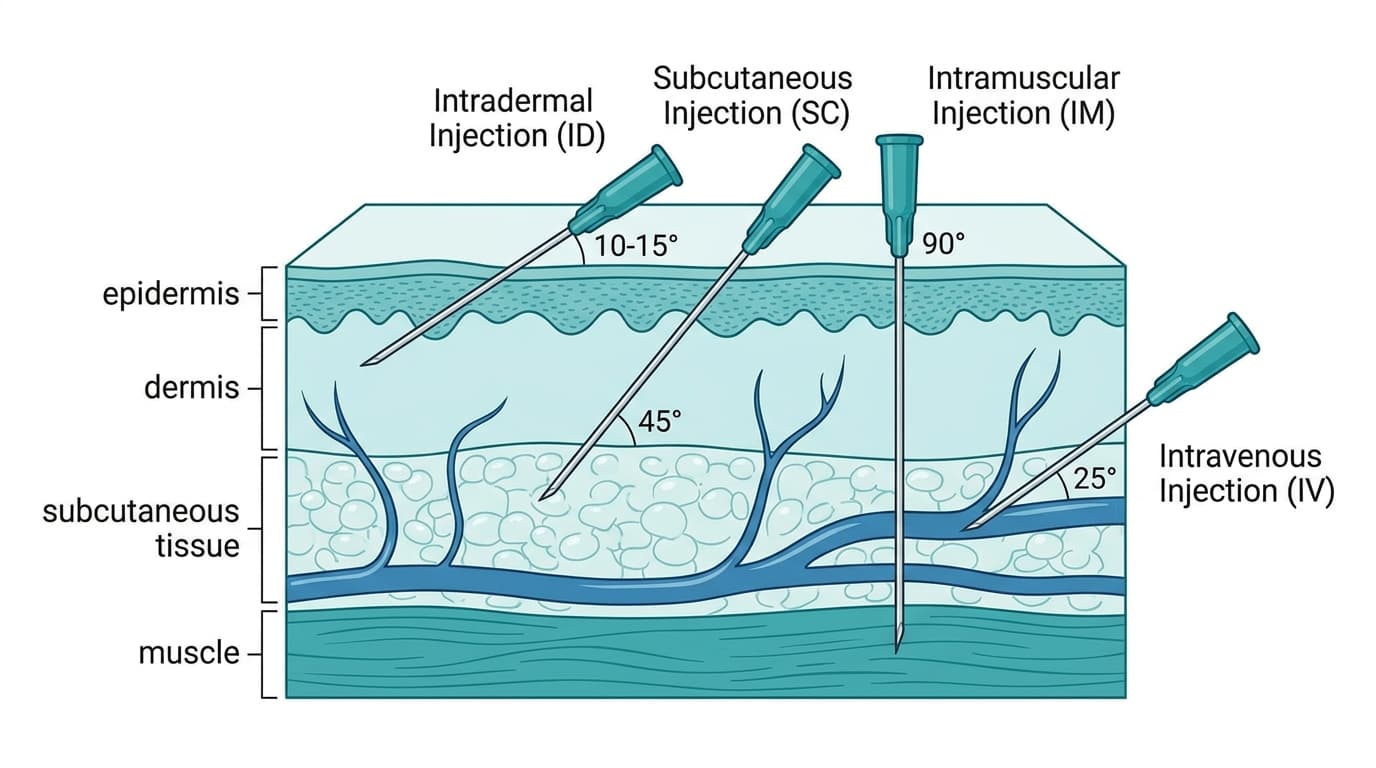
The human body features distinct tissue layers. Each injection route penetrates to a precise anatomical depth.
Intradermal (ID) Injection
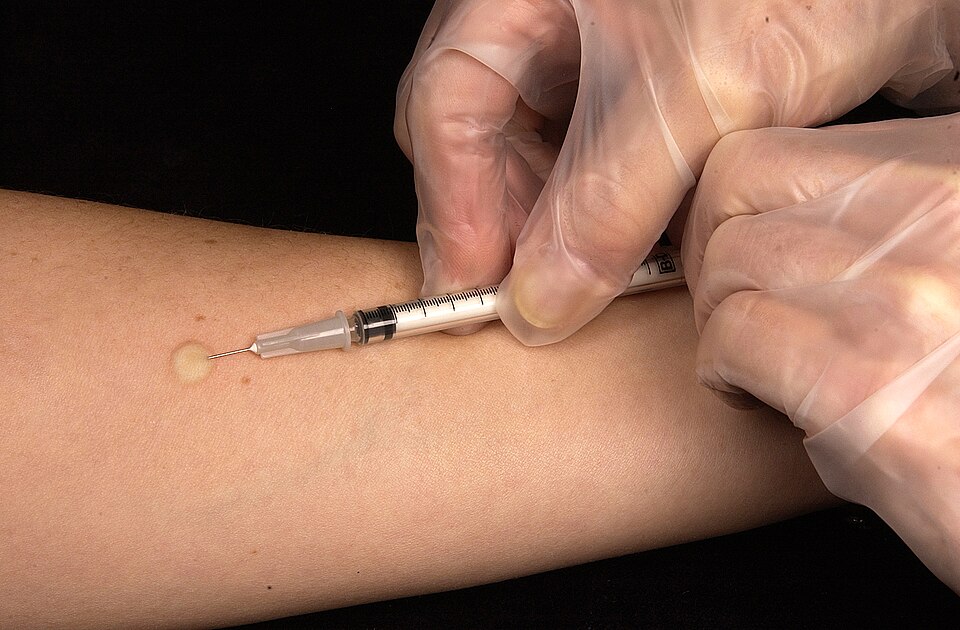
An intradermal injection deposits minute volumes (typically 0.01 to 0.1 mL) into the dermis, the vascular connective tissue layer situated directly beneath the protective epidermis. It is the shallowest injection technique.
Where it is administered: The hairless, pale inner surface of the forearm is the universal standard site; occasionally, the upper subscapular back is used.
Clinical Purpose & Characteristics: Because the dermis has limited vascular clearance, absorption is exceptionally slow and localized. When performed correctly by a trained nurse, a small visible, tense bleb or wheal forms on the skin surface.
Subcutaneous (SC / SubQ) Injection
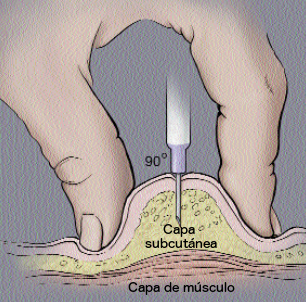
A subcutaneous injection introduces medication into the subcutis / hypodermis, the vascular adipose fat tissue layer sandwiched between the skin and deep skeletal muscle.
Where it is administered: Common anatomical sites include the abdomen (at least 2 inches away from the navel), the posterior aspect of the upper arm, and the anterior lateral thigh.
Clinical Purpose & Characteristics: Fat tissue has fewer blood vessels than muscle, producing a sustained, predictable, and gradual absorption rate over hours or days. Subcutaneous injections utilize very short, fine needles (typically 4mm to 8mm), making it the primary route for home self-management once a patient receives formal medical education.
Intramuscular (IM) Injection
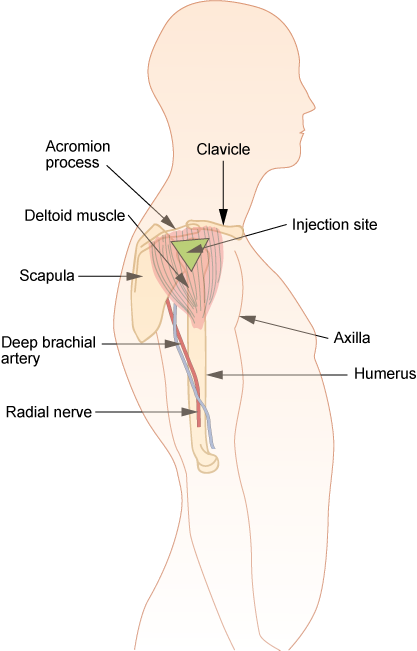
An intramuscular injection passes through skin and subcutaneous fat to deliver medication deep into the belly of a skeletal muscle.
Where it is administered: The deltoid muscle (upper arm) for small vaccine volumes (≤ 1 mL in adults); the vastus lateralis (anterolateral thigh, standard in infants and young children); or the ventrogluteal muscle (hip), preferred by nurses for larger viscous volumes because of low neurovascular risk.
Clinical Purpose & Characteristics: Muscle tissue contains an abundant arterial and capillary network, ensuring much faster drug absorption than subcutaneous fat, while holding larger fluid volumes (up to 2–3 mL in well-developed adult muscles).
Intravenous (IV) Injection & Continuous Infusion
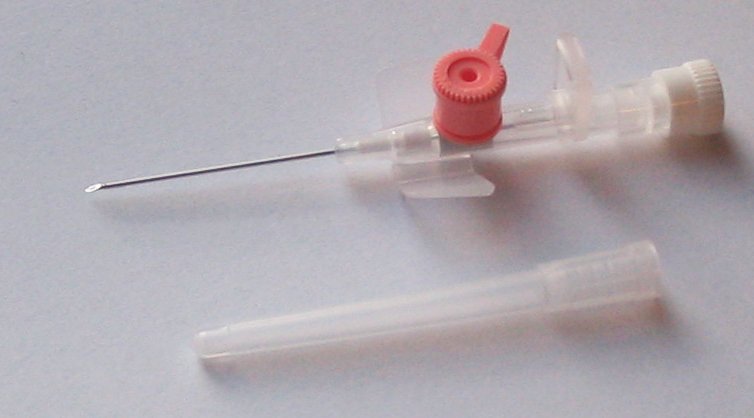
An intravenous injection delivers pharmaceutical agents directly into the lumen of a vein, providing instantaneous access to the circulating bloodstream with 100% biological availability.
Administration modalities: May be delivered as an immediate direct IV push (bolus) over seconds to minutes, or via controlled gravity/electronic infusion pumps as intermittent piggybacks or continuous 24-hour hydration infusions.
Clinical Purpose & Characteristics: Bypasses every biological absorption barrier. It is crucial for acute hospital resuscitation, titration of vasoactive drugs, and administration of medications that would cause severe tissue necrosis if leaked into surrounding muscle or fat.
Intraosseous (IO) & Highly Specialized Clinical Routes
When standard routes are insufficient or emergency vascular collapse occurs, trained specialists utilize non-traditional parenteral pathways:
Used during cardiac arrest, severe trauma, or pediatric shock when peripheral veins are completely collapsed. The non-collapsible medullary venous plexus provides near-instantaneous blood entry.
Administered directly into the knee, hip, or shoulder capsule for osteoarthritis pain, gout, or rheumatoid synovitis (e.g. corticosteroid or hyaluronic acid viscosupplements).
Performed by anesthesiologists to block nerve pain signals during labor and delivery, post-surgical recovery, or to treat chronic lumbar radiculopathy (sciatica).
Introduced directly past the blood-brain barrier into CSF for spinal anesthesia, severe spasticity management (baclofen pump), or specific central nervous system chemotherapy.
Comprehensive Injection Route Comparison
Side-by-side comparison of clinical targets, onset speeds, and administration requirements across all major routes.
| Route | Full Clinical Name | General Target Area | Typical Purpose | General Onset Speed | Clinical Setting | Professional Required? |
|---|---|---|---|---|---|---|
| ID | Intradermal | Dermis layer (skin) | Allergy tests, Mantoux TB screening | Slow / Localized response | Outpatient clinics, labs | Yes (Trained Clinician) |
| SC / SubQ | Subcutaneous | Adipose fatty layer below skin | Insulin, Enoxaparin, Biologics | Gradual & sustained (15–60 min) | Home (with training), Clinics | Patient self-administration allowed with training |
| IM | Intramuscular | Deep skeletal muscle (deltoid, thigh, hip) | Vaccines, Antibiotics, Epinephrine auto-injector | Moderate to rapid (10–20 min) | Clinics, Emergency units, Vaccine centers | Yes (Except emergency auto-injectors) |
| IV | Intravenous | Venous lumen (systemic circulation) | Hydration fluids, emergency drugs, chemo, IV antibiotics | Immediate (< 1 minute, 100% bioavailable) | Hospitals, Infusion centers, Ambulances | Strictly Professional Only |
| IO | Intraosseous | Bone marrow cavity (tibia, humerus) | Critical resuscitation when IV access impossible | Immediate (< 1 minute) | Trauma bays, Resuscitation rooms, EMS | Strictly Emergency Physicians / Critical Paramedics |
| IA | Intra-Articular | Synovial joint capsule | Severe joint inflammation, osteoarthritis flare | Localized onset within 24–48 hours | Orthopedic / Rheumatology specialty suites | Strictly Specialist Physician |
Common Injection Categories & Therapeutic Classes
Parenteral pharmacotherapy spans essential preventive vaccines, acute emergency antidotes, and specialized biological therapies.
Vaccines & Immunobiologicals
Inactivated pathogens, viral sub-units, toxoids, or mRNA templates administered primarily IM or SC to induce protective neutralizing antibodies and immune memory.
Insulin & Diabetes Treatments
Subcutaneously injected polypeptide hormones (rapid, regular, NPH, long-acting glargine/degludec) essential for replacing absent or deficient endogenous insulin production.
Injectable Antibiotics & Antimicrobials
Potent IV and IM agents (Ceftriaxone, Piperacillin, Vancomycin, Gentamicin) utilized in serious systemic infections, bacteremia, pyelonephritis, or when oral absorption fails.
Analgesics & Pain-Relief Injections
Non-opioid injectable analgesics (Ketorolac, Paracetamol IV) and opioid formulations administered for acute post-surgical recovery, severe renal colic, or trauma pain under strict clinical oversight.
Corticosteroids & Anti-Inflammatory Agents
Potent glucocorticoids (Dexamethasone, Methylprednisolone, Triamcinolone) delivered IV, IM, or intra-articularly to quell life-threatening inflammatory storms, severe asthma, and joint flares.
Anticoagulants (Blood Thinners)
Parenteral heparin and low-molecular-weight heparins (Enoxaparin) formulated for subcutaneous or IV administration to rapidly arrest clot formation in deep vein thrombosis or pulmonary embolism.
Hormone Injections
Injectable endocrine therapies including growth hormone, testosterone cypionate, progesterone, and gonadotropins utilized in hormone deficiency syndromes and specialized assisted reproduction.
Emergency Resuscitation Medications
Rapid-acting life-saving pharmaceuticals (Epinephrine auto-injectors, Naloxone for opioid reversal, Atropine, Amiodarone) deployed by first responders and emergency medical staff.
Biological Medicines & Monoclonal Antibodies
Complex bioengineered proteins (anti-TNF agents like Adalimumab, checkpoint inhibitors, Dupilumab) designed to target specific immunological cascades in cancer and severe autoimmune disease.
Intravenous Fluids & Volume Expanders
Isotonic crystalloids (Normal Saline, Hartmann solution, Plasmalyte) and colloid solutions infused continuously to treat hypovolemic shock, surgical fluid loss, and dehydration.
Nutritional & Micronutrient Injections
Therapeutic parenteral preparations including Vitamin B12 (Cyanocobalamin) for pernicious anemia, intravenous iron dextran for severe iron deficiency, and Total Parenteral Nutrition (TPN).
Long-Acting Depot Formulations
Specially engineered depot suspensions (antipsychotics, depot contraceptives like Medroxyprogesterone) that slowly dissolve from muscle tissue over weeks to months, ensuring steady adherence.
Common Examples of Injectable Medicines
Browse educational monographs of widely used injectable pharmaceuticals. Includes clinical purpose, primary routes, and key safety caveats.
Insulin (Basal & Rapid-Acting)
Antidiabetic HormoneSubcutaneous (SC), IV in clinical emergencies
Lowers blood glucose levels in Type 1 and advanced Type 2 diabetes by facilitating cellular uptake of glucose.
Vaccines (e.g. Hepatitis B, Tdap, MMR, Flu)
Immunobiological AntigenIntramuscular (IM), Subcutaneous (SC)
Exposes the immune system to inactivated antigens or mRNA instructions to stimulate lasting protective antibody defenses.
Ceftriaxone & Broad-Spectrum Antibiotics
Antibacterial (Cephalosporin)Intravenous (IV), Deep Intramuscular (IM)
Treats severe bacterial infections including bacterial meningitis, pneumonia, intra-abdominal sepsis, and pyelonephritis.
Methylprednisolone & Hydrocortisone
Corticosteroid / Anti-inflammatoryIntravenous (IV), Intramuscular (IM), Intra-articular
Rapidly suppresses severe acute inflammation, autoimmune flares, anaphylaxis adjunct, and severe asthma exacerbations.
Heparin & Low-Molecular-Weight Heparin (Enoxaparin)
Anticoagulant (Blood Thinner)Subcutaneous (SC), Intravenous (IV)
Prevents and treats deep vein thrombosis (DVT), pulmonary embolism (PE), and arterial thromboembolism in surgical patients.
Epinephrine (Adrenaline)
Emergency SympathomimeticIntramuscular (IM) via outer mid-thigh auto-injector
Reverses severe, life-threatening allergic reactions (anaphylaxis) by relaxing bronchial muscles and elevating blood pressure.
Adalimumab & Infliximab (Biologics)
Monoclonal Antibody / TNF InhibitorSubcutaneous (SC) pen or Intravenous (IV) infusion
Targeted immunosuppressive therapy for rheumatoid arthritis, Crohn disease, ulcerative colitis, and plaque psoriasis.
Medroxyprogesterone & Hormone Therapies
Reproductive Hormone (Depot)Intramuscular (IM), Subcutaneous (SC)
Long-acting contraceptive protection or hormonal replacement therapy delivered as a slow-release depot formula.
Why Healthcare Professionals Choose Injections
The clinical decision tree: how physicians evaluate pharmacokinetics, patient stability, and tissue access.
Overcoming First-Pass Hepatic Destruction
When drugs pass through the gut into portal circulation, liver enzymes can neutralize up to 90% of certain active molecules. Injections bypass hepatic clearance.
Emergency Life-Threatening Instability
During cardiovascular collapse, severe anaphylaxis, or acute asthma, waiting 45 minutes for a tablet to dissolve in the stomach could be fatal. Injections provide instant circulation.
Inability to Ingest Orally (Dysphagia & Emesis)
Patients undergoing intensive chemotherapy, individuals with severe gastroenteritis, or post-stroke patients with swallowing deficits require parenteral access to sustain therapy.
Reliable Bioavailability Without Food Interactions
Oral drug absorption fluctuates significantly based on stomach pH, recent meals, milk, or antacids. Injections guarantee reproducible blood concentrations.
Common Anatomical Injection Sites
Safe anatomical landmarks chosen to ensure effective tissue deposition and protect nerves and blood vessels.
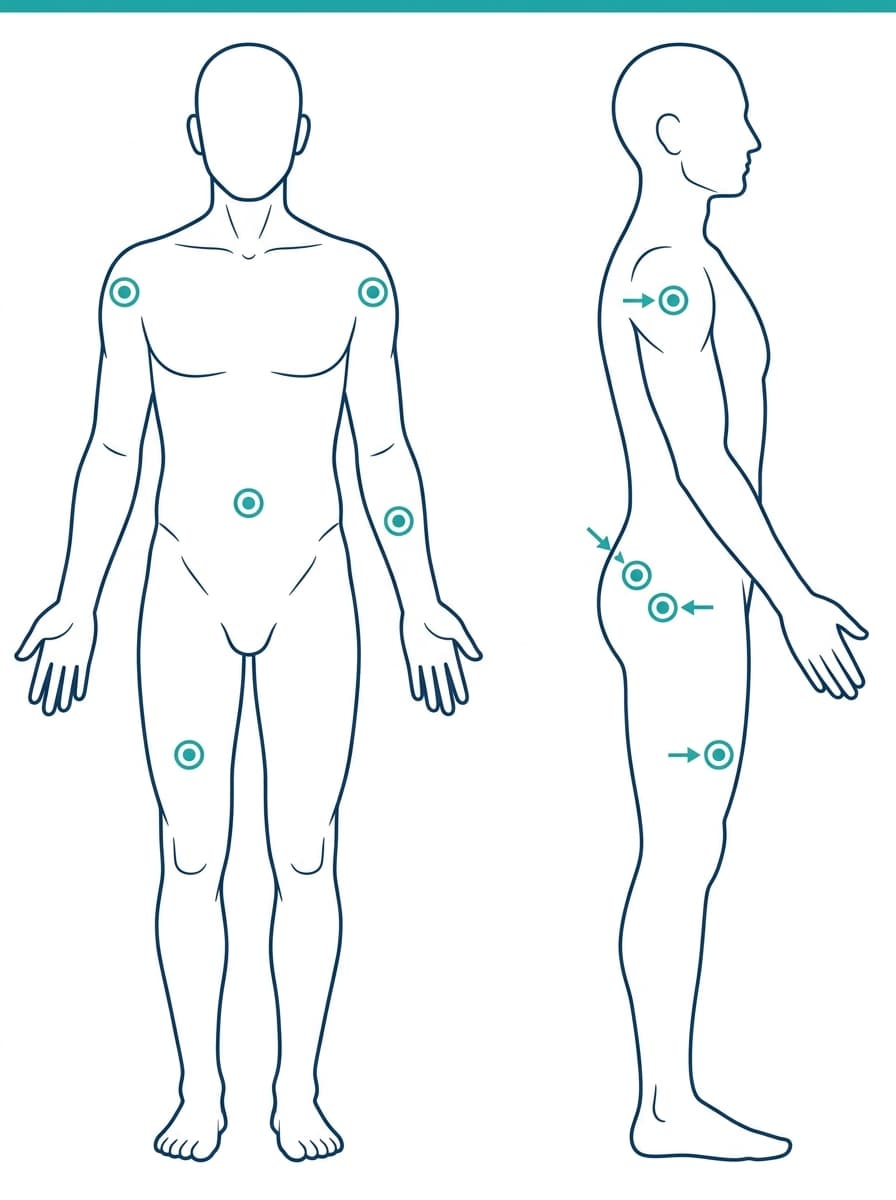
Healthcare professionals choose specific injection sites using rigorous anatomical landmarking to avoid hitting major neurovascular bundles (such as the sciatic nerve or brachial artery) and to optimize absorption:
Deltoid Muscle (Upper Arm)
Intramuscular (IM) — Adults & Children > 3 yearsLocated 2 to 3 fingerbreadths below the acromion process. Standard site for adult vaccinations (Flu, COVID-19, Tdap) due to accessibility. Maximum volume is typically 1.0 mL.
Anterolateral Thigh (Vastus Lateralis)
Intramuscular (IM) & Subcutaneous (SC)Located in the middle third of the outer thigh muscle. Standard site for infants and toddlers under 12 months who lack developed deltoid muscle mass. Also the primary self-injection site for emergency Epinephrine pens.
Abdominal Region (Periumbilical Subcutaneous)
Subcutaneous (SC) — Self-Management StandardLocated across the abdominal fat pad, keeping at least 2 inches (5 cm) away from the navel. Highly preferred for daily insulin injections and blood-thinning low-molecular heparin due to consistent absorption.
Ventrogluteal Muscle (Hip)
Deep Intramuscular (IM) — Large Volume VolumesLocated by placing the palm over the greater trochanter of the femur and injecting into the V-shaped area between the index and middle fingers. Free of major nerves and large blood vessels; can accommodate up to 3.0 mL in adults.
Volar Forearm (Inner Surface)
Intradermal (ID) — Diagnostic TestingThe smooth, hairless inner surface of the forearm, approximately 3 to 4 fingerbreadths below the elbow bend. Ideal for visual inspection of TB test induration and allergy wheals.
The Injection Process: Before, During & After
Demystifying what happens in clinical practice: the safety verifications, administration steps, and post-injection care.
What Happens Before
Healthcare professionals follow strict safety checklists prior to touching any needle:
- Patient Identity Check: Verifying two unique identifiers (full name & date of birth).
- The "Rights" of Medication: Confirming right patient, right medication, right dose, right route, right time, and right documentation.
- Allergy & History Screen: Checking for prior severe anaphylactic reactions or blood-thinning drugs.
- Vial Inspection: Checking expiration dates, solution clarity, particulate absence, and intact tamper seals.
What Happens During
The actual administration is performed following universal aseptic technique:
- Hand Hygiene & Gloves: Clinician performs thorough hand washing and wears medical examination gloves.
- Skin Preparation: The site is swabbed with 70% isopropyl alcohol and allowed to air dry completely (to prevent stinging and ensure bactericidal action).
- Smooth Insertion: Needle is inserted swiftly at the correct angle with steady, continuous plunger depression.
- Immediate Sharps Disposal: The needle is immediately deposited uncapped into a dedicated puncture-proof sharps container.
What to Expect Afterward
Normal post-injection physiological reactions and appropriate aftercare:
- Gentle Pressure: A sterile cotton gauze is pressed briefly over the puncture point (massaging is avoided if contraindicated).
- Clinical Observation Period: Patients receiving new vaccines or biological infusions are asked to remain in the clinic for 15–30 minutes to observe for immediate adverse reactions.
- Normal Soreness: Localized muscle ache or slight redness is expected, generally resolving over 24–48 hours.
- Comfort Measures: Moving the arm naturally and applying a clean, cool compress can ease muscle tenderness.
Side Effects vs. Serious Warning Signs
Distinguishing normal, self-limiting local inflammatory reactions from critical adverse events that demand urgent emergency evaluation.
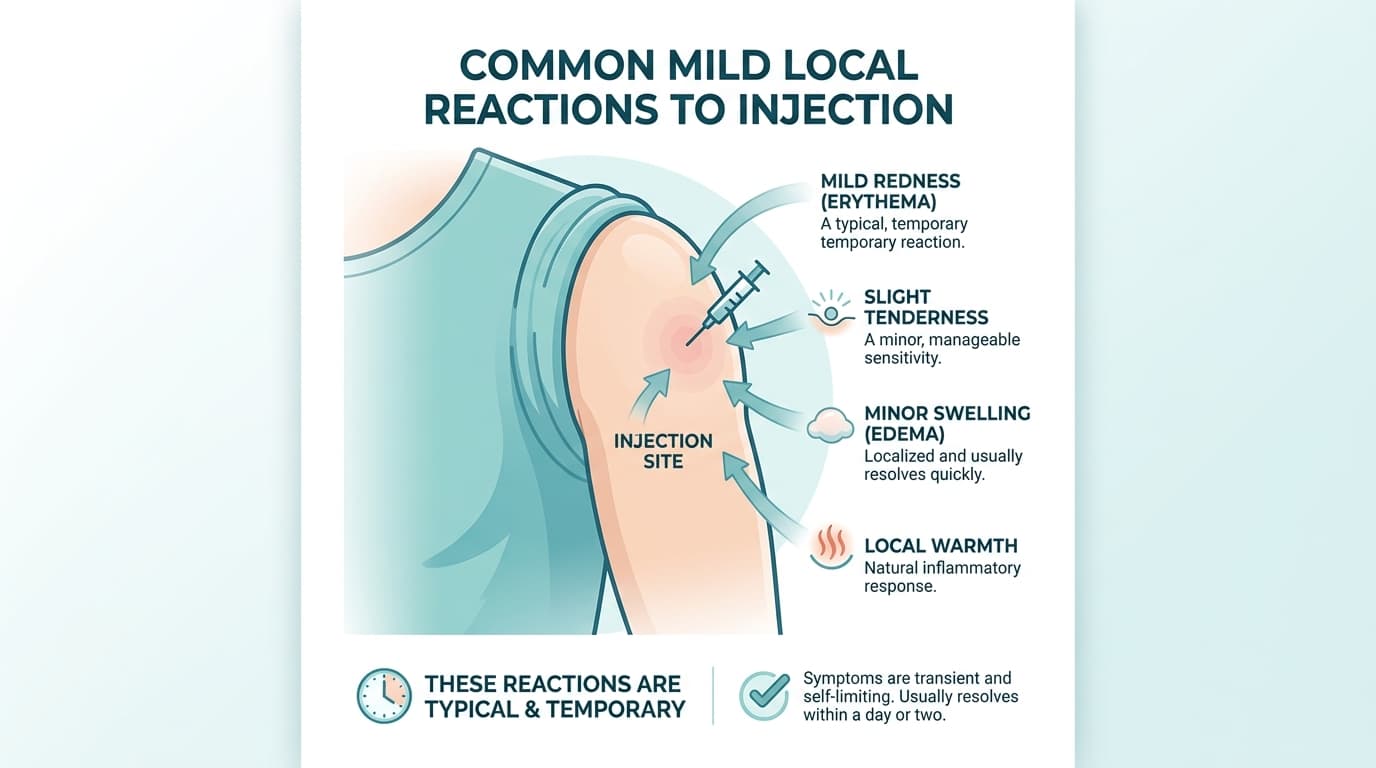
Common, Mild & Temporary Reactions
These represent normal localized immune responses to tissue penetration or antigen delivery, typically clearing in 1 to 3 days:
Less Common Reactions (Consult Clinic)
Reactions that require communication with your prescribing doctor or vaccinating clinic:
🚨 Serious Warning Signs: Seek Immediate Emergency Medical Attention
Call emergency medical services (911, 112, or local emergency hospital) immediately if you or someone else develops any of the following critical red flags after an injection:
- Difficulty breathing, persistent wheezing, or stridor
- Swelling of the lips, tongue, throat, or facial tissues
- Widespread itchy hives, generalized skin flushing
- Sudden dizziness, confusion, collapse, or profound hypotension
- Rapidly expanding redness with red streaks radiating outward
- Intense, throbbing heat and worsening severe pain
- Pus, foul drainage, or fluctuant fluid collection at puncture
- High spiking fever accompanied by rigors and chills
Severe shooting electric shock-like sensations down the arm or leg during or following the injection, or new-onset persistent numbness, tingling, or weakness/inability to move the extremity (e.g., wrist drop or foot drop).
Injection Safety, Sterile Technique & Sharps Disposal
Adhering to World Health Organization (WHO) and CDC clinical standards: One Needle, One Syringe, Only One Time.
Universal Single-Use Principle (Never Reuse)
Every syringe, needle, and auto-injector cartridge must be factory-sealed, sterile, and single-use. Reusing needles damages the microscopic bevel tip into a jagged barb and introduces severe microbial contamination.
Zero Sharing Policy (Bloodborne Pathogen Protection)
Needles, syringes, fingerstick lancets, and insulin pens must never be shared between different individuals under any circumstance. Sharing equipment transmits life-altering bloodborne viruses including Hepatitis B, Hepatitis C, and HIV.
Aseptic Technique & Hand Hygiene
Clinicians perform alcohol-based hand rub or soap washing before handling supplies. The rubber stopper of medication vials must be sanitized with a sterile 70% alcohol swab before needle puncture.
Temperature & Cold-Chain Maintenance
Many biological preparations (insulin, vaccines, monoclonal antibodies) denature and lose clinical potency if exposed to heat or freezing. They must be stored in verified medical refrigerators with temperature monitoring.
Approved Puncture-Proof Sharps Disposal
Used sharps must be placed immediately into an FDA-cleared rigid, puncture-resistant biohazard sharps container. Never recap used needles, bend them, or discard them in domestic trash or recycling bins.
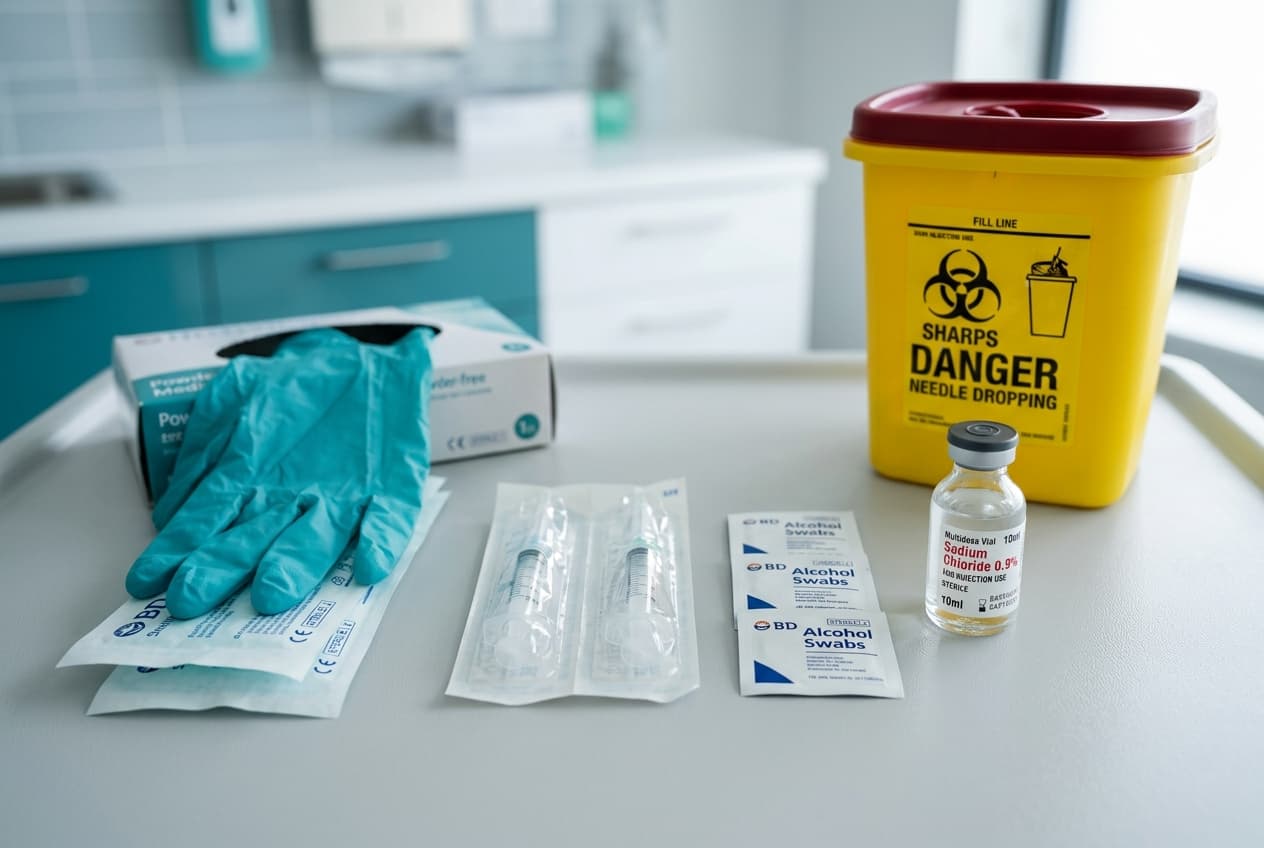
Sterility protects both patients and healthcare personnel from healthcare-associated infections (HAIs) and accidental needlestick injuries.
Injections vs. Tablets & Oral Medicines
A critical pharmacological comparison: neither route is universally superior; each solves distinct therapeutic challenges.
| Feature | Injection (Parenteral) | Tablet / Capsule (Oral) |
|---|---|---|
| Route of Entry | Directly enters dermal, subcutaneous, muscular, or venous tissue | Swallowed, passes through esophagus, stomach, and small intestine |
| Bioavailability | 100% in IV; high and predictable in IM/SC (bypasses digestive loss) | Variable (affected by stomach acid, meals, motility, and liver metabolism) |
| Onset of Action | Immediate (IV: seconds) to moderate (IM/SC: 10–30 minutes) | Typically 30 to 90 minutes (requires dissolution and GI absorption) |
| Patient Convenience | Requires sterile supplies, safe disposal, and professional or taught technique | Highly convenient, non-invasive, easy for self-administration |
| Pain & Sensation | Brief needle puncture discomfort; possible local post-injection soreness | Painless to ingest (unless severe dysphagia or large pill size) |
| Infection Risk | Carries minor infection risk if sterile technique is breached | Virtually zero risk of localized puncture infection |
| Reversibility | Once injected, drug cannot be recovered from tissue or bloodstream | In acute accidental overdoses, stomach pumping or activated charcoal can bind drug |
Vaccines & Immunization Injections
How vaccine injections train human immunity, why specific tissue layers are targeted, and national schedule adherence.
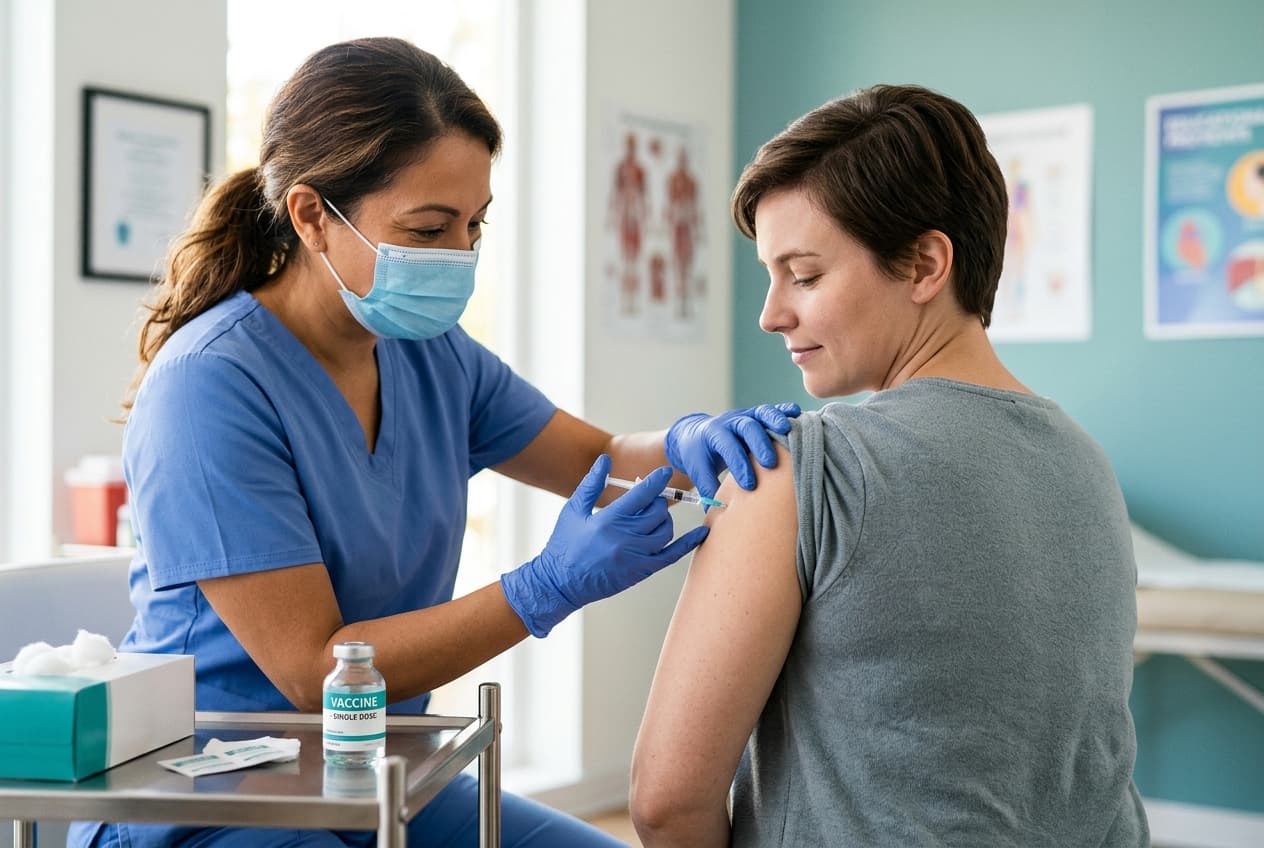
A vaccine injection introduces an engineered, weakened, or inactivated antigen (or mRNA instruction set) into specialized tissue beds. Once delivered, resident antigen-presenting cells (dendritic cells and macrophages) engulf the antigen and travel to regional lymph nodes, stimulating helper T-cells and B-lymphocytes to produce protective neutralizing antibodies.
Why IM or SC is preferred over oral: Most vaccine antigens are delicate proteins that would be broken down by stomach proteases. Furthermore, skeletal muscle is rich in immune-processing cells that trigger strong systemic memory without causing excessive local skin ulceration.
Immunization guidelines published by public health agencies (such as the WHO, CDC, and National Immunization Schedules) are timed mathematically based on maternal antibody decay and pediatric immune maturation. Adhering to these intervals ensures optimal protective titers.
Insulin Injections in Diabetes Management
The life-sustaining peptide hormone: why subcutaneous delivery is required, delivery hardware, and lipohypertrophy prevention.
Why Can't Insulin Be a Pill?
Insulin is a 51-amino-acid peptide hormone. If swallowed, gastric hydrochloric acid and pancreatic pepsin enzymes would digest it into inert amino acids before it could enter the bloodstream. Subcutaneous injection preserves its molecular structure.
Modern Delivery Devices
Patients utilize pre-filled insulin pen injectors with ultra-fine (31G–32G, 4mm) micro-needles, traditional U-100 syringes, or continuous subcutaneous insulin infusion (CSII) pumps connected to a soft subcutaneous cannula.
Crucial Site Rotation Rules
Injecting repeatedly into the exact same skin spot causes lipohypertrophy (rubbery, scarred fatty lumps) which drastically impairs insulin absorption, causing erratic blood glucose spikes and dangerous unexpected hypoglycemic crashes.
Injectable Antibiotics & Antimicrobial Stewardship
When clinical bacteremia, tissue penetration requirements, or sepsis mandate intravenous or intramuscular antibacterial therapy.
In healthcare facilities, injectable antibiotics (such as Ceftriaxone, Piperacillin-Tazobactam, Vancomycin, and Meropenem) represent essential therapy for severe, life-threatening bacterial infections. They achieve minimum inhibitory concentrations (MIC) in blood and deep tissues immediately.
- Systemic sepsis, septic shock, and bloodstream bacteremia
- Acute bacterial meningitis (where crossing the blood-brain barrier is critical)
- Severe hospital-acquired or ventilator-associated pneumonia
- Complicated intra-abdominal perforations and deep surgical wound infections
- Acute pyelonephritis (kidney infection) with persistent vomiting
Antibiotic injections are completely ineffective against viral pathogens (such as the common cold, influenza, or uncomplicated viral bronchitis). Demanding antibiotic injections for routine fevers fosters multidrug-resistant organisms (MDROs) like MRSA and ESBL. Hospital teams routinely practice IV-to-oral stepdown therapy once a patient stabilizes.
Emergency Injections: Epinephrine, Naloxone & Resuscitation
Rapid-acting auto-injectors and acute resuscitation pharmaceuticals engineered for rapid deployment during life-threatening crises.
Epinephrine Auto-Injectors (EpiPen)
Immediate first-line treatment for anaphylactic shock (triggered by food, insect stings, or drugs). Delivered into the outer mid-thigh muscle. It rapidly constricts dilated blood vessels and relaxes bronchial airway spasms.
Naloxone (Opioid Overdose Reversal)
A pure opioid antagonist available as an IM auto-injector or pre-filled syringe (as well as intranasal spray). Knocks opioids off brainstem receptors within 2 to 3 minutes, restoring depressed breathing.
Hospital Advanced Resuscitation
Critical intravenous and intraosseous medications (Atropine for severe bradycardia, Amiodarone for refractory ventricular fibrillation, Dextrose 50% for profound neuroglycopenia) administered during code events.
Myths vs. Facts About Injections
Debunking persistent cultural misconceptions with clinical pharmacological facts.
"An injection is always stronger and more effective than a tablet."
False. An oral medication with good bioavailability achieves the exact same therapeutic outcome as an injection for most conditions. Injections are chosen when a drug cannot be absorbed orally or when instant speed is required, not because they are inherently "stronger."
"Every fever or seasonal cold requires an antibiotic injection to get better."
False. 90% of acute upper respiratory fevers are viral (colds, influenza). Antibiotics kill bacteria, not viruses. Injecting antibiotics for viral colds exposes patients to unnecessary needle risks, allergic reactions, and superbug resistance.
"It is completely safe to reuse your own insulin needle if only you use it."
Dangerous misconception. After even one injection, fine needle tips develop microscopic dull hooks and burrs that tear tissue, cause painful bruising, and deposit skin bacteria into the insulin cartridge.
"All injections act instantaneously inside the body."
False. Only intravenous (IV) injections work instantly. Subcutaneous and intramuscular depot injections are chemically designed to release medication slowly over days, weeks, or even months.
"Severe soreness at the injection site means the nurse made an error."
False. Transient localized soreness is normal. It is primarily caused by your immune system reacting to the foreign antigen or the physical distension of muscle fibers by fluid volume.
"Any prescription injection can be safely administered at home by family."
False. Only specific therapies with formal patient training (like insulin, fertility hormones, or anticoagulants) are approved for home use. Complex medications carry high risks of nerve injury or severe infection.
When Should You Consult Your Doctor?
Clear clinical triggers for when to seek professional medical advice regarding injectable therapies.
Unsure If an Injection Is Really Necessary
If a clinic recommends an injection but you are able to take oral medications, inquire if an evidence-based oral alternative exists.
History of Severe Drug or Latex Allergies
Always notify your clinician before receiving an injection if you have previously had anaphylaxis, hives, or allergy to vaccine components (like eggs or gelatin).
Persistent or Expanding Local Redness
If the puncture site displays redness expanding past 2 inches, increasing heat, or purulent drainage 48 hours later, evaluate for cellulitis.
Accidental Re-use or Needlestick Exposure
If an accidental needlestick occurs with used equipment, seek immediate post-exposure prophylaxis (PEP) evaluation within 2 hours.
Difficulty With Home Self-Injection Technique
If you take insulin or biologics and notice hard tissue lumps (lipohypertrophy) or persistent bruising, request a re-training session with a diabetes educator.
Storage or Cold-Chain Uncertainty
If your home biological medication or insulin was accidentally left out of the refrigerator during a power outage or frozen, verify safety before injecting.
Frequently Asked Questions
Medically reviewed answers to 20 of the most common patient inquiries regarding injections, safety, and routes.
Authoritative Sources & Clinical Guidelines
The information in this comprehensive guide has been synthesized from leading international public health authorities and pharmacology compendia.
Medi Info Hub provides general educational health information and is not a substitute for professional medical diagnosis, treatment, or personalized prescription advice. Injectable medicines and invasive procedures carry inherent clinical risks and must be administered strictly in accordance with appropriate medical guidance and regulatory directives.
Do NOT attempt to self-administer prescription injectable medications, adjust dosages, or modify administration routes without direct clinical supervision and formal instruction from a certified healthcare professional.
If you suspect a medical emergency, acute anaphylactic allergic reaction, or severe post-injection complication, call your local emergency services (911, 112, or local equivalent) or visit the nearest hospital emergency department immediately.