

Pemphigoid
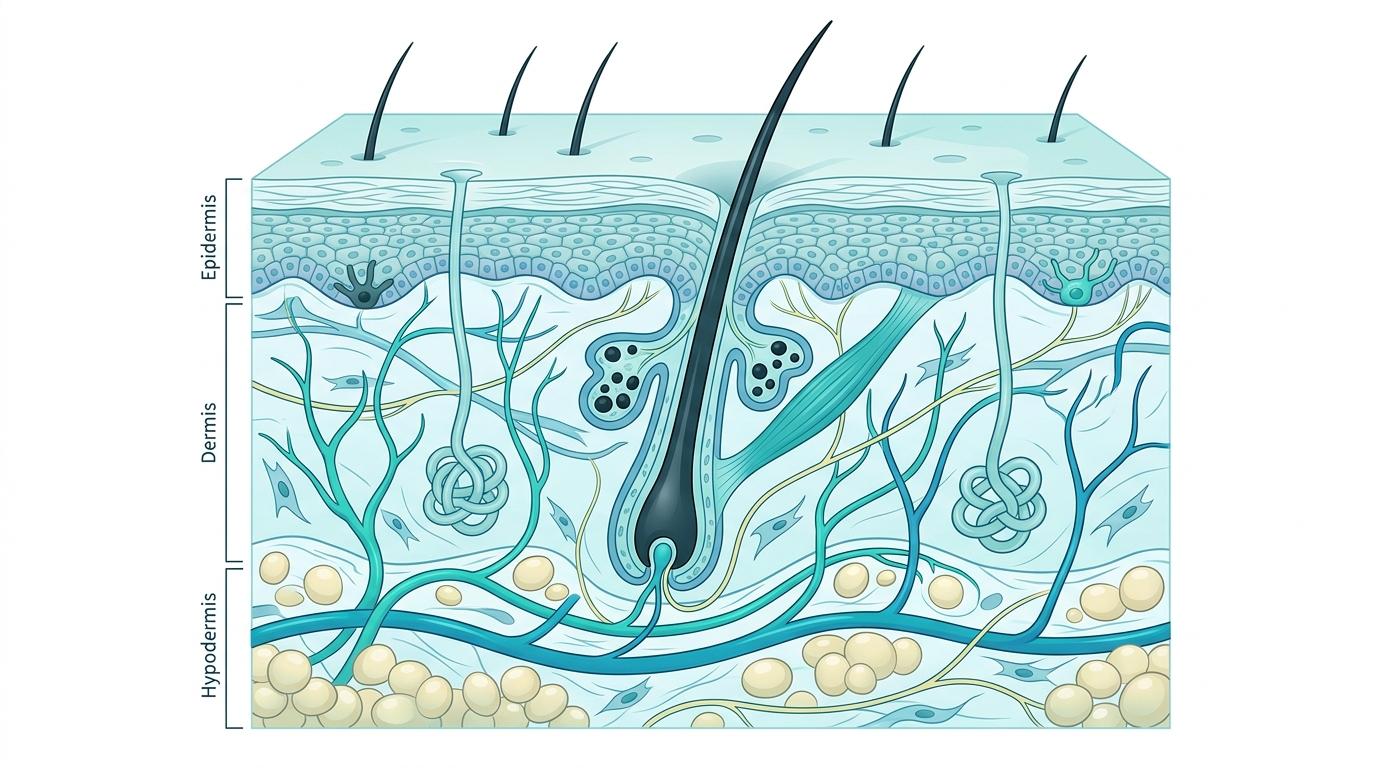
Pemphigoid
Verified photographic and clinical reference illustrating presentation, affected anatomy, or clinical evaluation of Pemphigoid.
Overview
Pemphigoid is an established clinical disorder categorized under Dermatology. Characterized by pathophysiological involvement of the integumentary system, epidermal barrier & dermis, pilosebaceous units, it represents a significant medical entity requiring structured clinical evaluation, precise diagnostic workup, and evidence-based multimodal therapy.
Clinical presentations vary across patient cohorts, ranging from subtle early stages to progressive, symptomatic manifestations. Timely differentiation from clinical mimickers is essential to institute disease-modifying therapies and prevent chronic functional decline.
Modern clinical management combines targeted pharmacotherapies, interventional modalities, evidence-based lifestyle optimization, and structured multidisciplinary surveillance to maintain long-term disease stabilization and preserve patient quality of life.
Quick Facts Summary
| Clinical Parameter | Diagnostic & Management Detail |
|---|---|
| Full Condition Name | Pemphigoid |
| Primary Medical Specialty | Dermatology (Dermatology Medicine) |
| Disease Classification | chronic disorder |
| Target Organ Network | Integumentary System, Epidermal Barrier & Dermis, Pilosebaceous Units |
| Diagnostic Gold Standards | Polarized Dermoscopy Examination, Full-Thickness Punch / Excisional Biopsy with Pathology, Direct Immunofluorescence (DIF) Testing |
| Core Treatment Modalities | High-Potency Topical Anti-Inflammatory Agents, Targeted Systemic Biologics (IL-17, IL-23, TNF inhibitors), Narrowband UVB Phototherapy |
| Epidemiological Profile | Moderately Prevalent: Estimated to affect 1 in 500 to 1 in 2,000 individuals |
| Multidisciplinary Team | Board-Certified Dermatologist & Cutaneous Pathology Specialist |
What Is It?
Pemphigoid is a well-characterized disease entity characterized by pathological cellular, structural, or metabolic derangements within the Integumentary System. Pathophysiologically, the disease process compromises physiological homeostatic mechanisms, leading to microstructural damage, inflammation, or functional impairment.
Pathophysiological Mechanisms & Cellular Dynamics
The disease trajectory typically evolves through recognized biological stages:
- Cellular Initiation & Signaling Alteration: Upstream genetic, environmental, or immunological stimuli induce initial cellular stress, cytokine secretion, or endothelial activation in target tissues.
- Inflammatory Propagation & Infiltration: Sustained recruitment of inflammatory cascades disrupts microvascular architecture, leading to localized edema, parenchymal stress, or metabolic exhaustion.
- Chronic Remodeling & Fibrotic Deposition: Unchecked disease activity prompts fibroblastic proliferation, extracellular matrix remodeling, or tissue fibrosis, permanently altering baseline functional reserve.
Clinical Subtypes & Phenotypic Variants
Clinicians categorize Pemphigoid into defined subtypes to guide therapy and prognostic assessment:
- Early / Mild Phenotype: Minimal or intermittent symptoms with preserved anatomical structure and robust response to initial conservative therapies.
- Moderate / Chronic Persistent Phenotype: Established symptoms and measurable anatomical involvement requiring maintenance pharmacotherapy and routine surveillance.
- Severe / Complicated Phenotype: Accelerated progression, extensive organ involvement, or refractory disease requiring advanced targeted biologics or surgical intervention.
Signs & Symptoms
The clinical manifestations of Pemphigoid comprise a spectrum of patient-reported symptoms and physical examination signs. Onset may be insidious, developing over several months, or manifest acutely during disease exacerbations.
Cardinal Signs & Symptoms
- Targeted Discomfort & Localized Pain: Aching, burning, or throbbing sensations localized to affected anatomical structures, frequently exacerbated by physical exertion or stress.
- Systemic Malaise & Fatigue: Persistent exhaustion attributable to sustained circulating pro-inflammatory mediators and increased metabolic demand.
- Functional Stamina Decline: Noticeable reduction in physical endurance, mobility, or organ-specific reserve during everyday activities.
- Episodic Flares: Clinical fluctuations where acute symptomatic spikes are followed by periods of baseline stability.
Organ-Specific Manifestations
| Anatomical System | Subjective Patient Symptoms | Objective Clinical Signs |
|---|---|---|
| Integumentary System | Primary localized discomfort, stiffness, functional limitation | Localized tenderness, altered tissue texture, reduced mobility |
| Epidermal Barrier & Dermis | Referred pain, compensatory tension, altered physiological function | Localized edema, autonomic asymmetry, reactive tissue changes |
| Systemic Impact | Low-grade fever, sleep disruption, decreased appetite | Vital sign variations, pallor, systemic signs of chronic illness |
Photographic reference illustrating physical presentation, clinical signs, and symptomatic manifestations in patients with Pemphigoid.
Causes
The etiology of Pemphigoid is multifactorial, arising from complex interactions between host genetic susceptibility, molecular signaling aberrations, immune dysregulation, and environmental influences.
Genetic Susceptibility & Molecular Pathways
Current genomic and molecular research underscores several key contributing factors:
- Polygenic Risk Factors: Inherited variations in regulatory genes that alter cellular permeability, receptor density, or inflammatory thresholds.
- Epigenetic Modifications: DNA methylation shifts and histone remodeling driven by aging, chronic metabolic stress, or toxicant exposure.
- Intracellular Signaling Alterations: Aberrant phosphorylation within kinase signaling cascades impairing normal tissue repair and cellular homeostasis.
Environmental Triggers & Contagion Profile
Non-Contagious Nature: Pemphigoid is completely non-contagious. It cannot be contracted or spread through physical contact, shared utensils, or airborne exposure.
Precipitating Factors: Common triggers that precipitate or worsen clinical manifestations include acute intercurrent infections, environmental toxicant exposure, tobacco smoke, prolonged physical exhaustion, and heightened physiological stress.
Risk Factors
Genetic & Familial Predisposition
Family history of related disorders or inherited genetic variations influencing cellular vulnerability and immune regulation.
Prior Severe Infections or Environmental Insults
Past viral, bacterial, or chemical exposures that compromised epithelial barriers or initiated prolonged immune dysregulation.
Chronic Systemic Inflammation & Metabolic Comorbidities
Coexisting conditions such as hypertension, diabetes, obesity, or chronic kidney disease accelerating tissue degradation.
Tobacco Smoke & Air Pollutant Exposure
Inhaled toxic particulates driving persistent oxidative stress, endothelial injury, and systemic cytokine release.
Complications
Without adequate disease control, Pemphigoid may progress to significant complications affecting target organ structures and overall systemic health.
Primary & Systemic Complications
- Chronic Integumentary System Parenchymal Degradation: Progressive tissue remodeling, fibrotic deposition, and loss of functional physiological reserve.
- Secondary Vascular & Metabolic Strain: Systemic inflammatory signaling accelerating secondary cardiovascular and metabolic risks.
- Acute Clinical Decompensation Crisis: Severe cutaneous barrier breakdown and trans-epidermal fluid loss
- Long-Term Functional Disability: Persistent functional limitations interfering with vocational capacity, sleep quality, and daily activities.
Chronic Integumentary System Dysfunction
severeProgressive parenchymal deterioration and loss of functional reserve resulting from sustained tissue inflammation and fibrotic remodeling.
Secondary Systemic Vascular & Metabolic Strain
moderateSpillover of systemic inflammatory mediators contributing to accelerated cardiovascular risk and metabolic impairment.
Severe Acute Exacerbation / Decompensation Crisis
severeSevere cutaneous barrier breakdown and trans-epidermal fluid loss
Functional Disability & Chronic Pain Syndrome
moderatePersistent physical limitations, sleep disruption, and reduced capacity for employment or customary daily activities.
Diagnosis
Establishing a definitive diagnosis of Pemphigoid involves a standardized multimodal clinical algorithm. Clinicians integrate thorough medical histories with objective physical findings, comprehensive laboratory testing, and advanced imaging modalities.
Multimodal Diagnostic Protocol
- Clinical Evaluation & History: Detailed inventory of symptom chronology, familial clustering, occupational exposures, and aggravating factors.
- Targeted Laboratory Workup: Complete blood count, comprehensive metabolic panel, inflammatory biomarkers (ESR, CRP), and organ-specific functional assays.
- High-Resolution Diagnostic Imaging: Utilization of Polarized Dermoscopy Examination, Full-Thickness Punch / Excisional Biopsy with Pathology, Direct Immunofluorescence (DIF) Testing to map structural alterations, quantify lesion burden, and exclude alternative pathologies.
- Confirmatory Histopathology or Functional Testing: Specialized tissue biopsy or dynamic electrophysiological testing when definitive structural verification is required.
Differential Diagnosis
The differential diagnostic evaluation systematically excludes overlapping disorders, including other Dermatology conditions, systemic autoimmune diseases, occult infections, and localized neoplastic processes.
Common Tests & Procedures
Polarized Dermoscopy Examination
Purpose: Baseline anatomical and functional assessment
First-line diagnostic modality providing objective evaluation of integumentary system architecture and identifying pathological changes.
Full-Thickness Punch / Excisional Biopsy with Pathology
Purpose: High-resolution structural imaging
Detailed cross-sectional or functional imaging to map anatomical lesion distribution, evaluate organ margins, and detect structural compromise.
Direct Immunofluorescence (DIF) Testing
Purpose: Disease activity quantification
Evaluates circulating inflammatory markers, organ-specific enzymes, and biochemical parameters to establish disease baseline and monitor response.
Complete Blood Count & Metabolic Panel (CBC / CMP)
Purpose: Systemic organ function assessment
Screens for systemic cytopenias, renal clearance impairment (BUN/Creatinine), hepatic transaminase elevations, and electrolyte balances.
Confirmatory Tissue Biopsy / Specialist Functional Test
Purpose: Definitive histopathological verification
Microscopic cellular analysis or advanced functional testing to confirm diagnostic criteria and exclude mimickers.
Treatment & Management
Therapeutic management of Pemphigoid is tiered according to disease stage and severity, aiming to control symptoms, arrest disease progression, and preserve organ reserve.
Staged Pharmacotherapy Protocols
- First-Line Pharmacological Agents: Standard-of-care medications targeted to immediate symptom relief and baseline pathophysiological control. These represent the primary therapeutic foundation with well-characterized efficacy and safety profiles.
- Second-Line & Targeted Therapies: For patients with refractory symptoms, incomplete response, or specific molecular/biomarker profiles, advanced targeted agents, biologics, or specialized immunomodulators are deployed.
- Maintenance & Tapering Regimens: Once clinical stability is achieved, medications are adjusted to the lowest effective dose to sustain remission while minimizing long-term medication-related adverse events.
Interventional, Procedural & Lifestyle Modalities
- Interventional Modalities: Minimally invasive procedures or targeted injections to alleviate local anatomical compromise.
- Therapeutic Lifestyle Interventions: Anti-inflammatory medical nutrition, guided physical rehabilitation, restorative sleep hygiene, and stress-reduction protocols.
- Multidisciplinary Care Coordination: Directed by a Board-Certified Dermatologist & Cutaneous Pathology Specialist in close collaboration with allied clinical subspecialists.
Treatment Options
Dermatology First-Line Pharmacotherapy
Evidence-based initial medical regimen aimed at modulating underlying integumentary system pathology and relieving acute symptoms.
Targeted Disease-Modifying Agent / Biologic
Advanced molecular or receptor-targeted therapy deployed for moderate-to-severe disease activity or inadequate first-line response.
Structured Physical & Functional Rehabilitation
Specialized clinical therapy program designed to restore strength, optimize mobility, and preserve functional independence.
Targeted Interventional Procedure
Minimally invasive clinical procedure to alleviate anatomical obstruction, stabilize tissue, or deliver localized therapeutics.
Cardiometabolic & Anti-Inflammatory Lifestyle Protocol
Nutritional optimization, structured physical activity, smoking cessation, and stress management to reduce systemic disease burden.
Important: Treatment decisions should always be made in consultation with a qualified healthcare professional. Do not start, stop, or change medications without medical guidance.
Living With This Condition
Successfully living with Pemphigoid requires proactive partnership with healthcare professionals, adherence to personalized treatment regimens, and lifestyle adaptations.
Prognosis & Long-Term Clinical Outlook
With early diagnosis and consistent adherence to modern therapeutic protocols, the long-term outlook for most patients is very favorable. Regular monitoring allows clinicians to detect subclinical changes early and adjust therapies proactively.
Surveillance & Monitoring Schedule
- Periodic Clinical Reviews: Regular clinic consultations to evaluate medication efficacy, monitor vital signs, and assess functional capacity.
- Routine Objective Biomarker Testing: Annual laboratory screening and imaging (Polarized Dermoscopy Examination) to confirm stable disease control.
- Patient Self-Monitoring: Maintaining a daily symptom diary to track triggers, symptom intensity, and treatment responses.
When to Seek Medical Help
When to Contact a Healthcare Professional
Do not delay seeking medical care if needed
Patients should contact their managing healthcare provider under the following non-emergency circumstances:
- Gradual escalation of symptoms despite consistent adherence to prescribed medications.
- Emergence of unexpected medication side effects, such as persistent nausea, skin rash, or dizziness.
- Unexplained decline in functional stamina or new physical limitations interfering with work or daily routines.
- Questions regarding planned travel, preventive vaccinations, or scheduled elective procedures.
Emergency Warning Signs
Emergency Warning Signs
Seek emergency medical help immediately if you experience any of the following
- Rapidly spreading bullae or skin sloughing involving mucosal membranes (SJS/TEN)
- Skin lesions accompanied by high fever, hypotension, or purpura fulminans
- Erythroderma covering >90% body surface area with hypothermia or edema
- Rapidly growing pigmented lesion with irregular borders and ulceration
- Acute confusion, profound lethargy, syncope, or loss of consciousness.
- Signs of anaphylaxis: facial swelling, acute stridor, or severe hypotension.
In an emergency, call your local emergency number immediately. Do not delay seeking care.
Questions to Ask Your Doctor
Questions to Ask Your Doctor
Bring this list to your next appointment
- What specific clinical and diagnostic findings confirm my diagnosis of Pemphigoid?
- What is the current stage or severity level of my condition, and are any secondary organs affected?
- What are the primary goals of my recommended treatment regimen (e.g., symptom cure vs. disease stabilization)?
- What are the expected benefits, potential side effects, and monitoring requirements for my medications?
- How frequently should we schedule follow-up appointments and repeat diagnostic testing to assess progress?
- What specific warning signs should prompt an immediate call to your clinic versus going to the nearest emergency room?
- What dietary, physical activity, or lifestyle changes will best support my medical treatment?
- Would I benefit from consultations with other clinical specialists (e.g., physical therapy, nutrition) as part of my care?
Frequently Asked Questions
What is Pemphigoid and what causes it?
Pemphigoid is a recognized clinical condition in Dermatology that affects the integumentary system, epidermal barrier & dermis, pilosebaceous units. It develops through interactions between genetic susceptibilities, cellular or immunological alterations, and environmental triggers that promote local tissue inflammation and structural changes.
Is Pemphigoid contagious or can it spread to others?
No. Pemphigoid is completely non-contagious. It cannot be transmitted from person to person through casual contact, respiratory droplets, touch, or shared household items.
What are the most common early warning signs of Pemphigoid?
Early signs typically include localized discomfort, unexplained systemic fatigue, gradual decline in functional stamina, and episodic flares of symptoms. Noticing these symptoms early and consulting a Board-Certified Dermatologist enables prompt diagnosis before permanent tissue damage develops.
How is Pemphigoid definitively diagnosed?
Diagnosis relies on a multimodal medical evaluation including detailed clinical history, physical examination, baseline blood and metabolic panels, high-resolution diagnostic imaging (Polarized Dermoscopy Examination, Full-Thickness Punch / Excisional Biopsy with Pathology), and confirmatory functional tests or tissue biopsies when indicated.
Is there a cure for Pemphigoid, or is it lifelong?
Depending on the specific subtype, some acute presentations resolve completely with prompt treatment, while chronic forms are managed effectively over the long term. With modern therapies, most patients achieve durable symptom remission, functional independence, and normal life expectancy.
What treatments are most effective for Pemphigoid?
Treatment is tiered to disease severity. It typically begins with first-line pharmacological agents, followed by advanced targeted therapies or biologics for refractory cases. Non-pharmacological measures, such as rehabilitation therapy, anti-inflammatory nutrition, and stress reduction, are vital complementary components.
Can Pemphigoid come back or flare up after successful treatment?
Yes, clinical flares or recurrences can occur, especially if maintenance medications are prematurely discontinued or during periods of acute infection, severe stress, or physiological illness. Maintaining regular surveillance visits and an updated clinical diary helps detect and suppress flares early.
What emergency symptoms require immediate 911 or emergency care?
Seek emergency medical attention immediately if you experience: Rapidly spreading bullae or skin sloughing involving mucosal membranes (SJS/TEN), sudden focal neurological deficits, loss of consciousness, severe acute shortness of breath, or signs of systemic shock.
Medical Disclaimer
Medi Info Hub provides general health information for educational purposes only. The information on this website is not medical advice and is not a substitute for diagnosis, treatment, or consultation with a qualified healthcare professional. Do not delay seeking medical care because of information found on this website. In an emergency, contact your local emergency services immediately.