

Langerhans Cell Histiocytosis
Langerhans Cell Histiocytosis
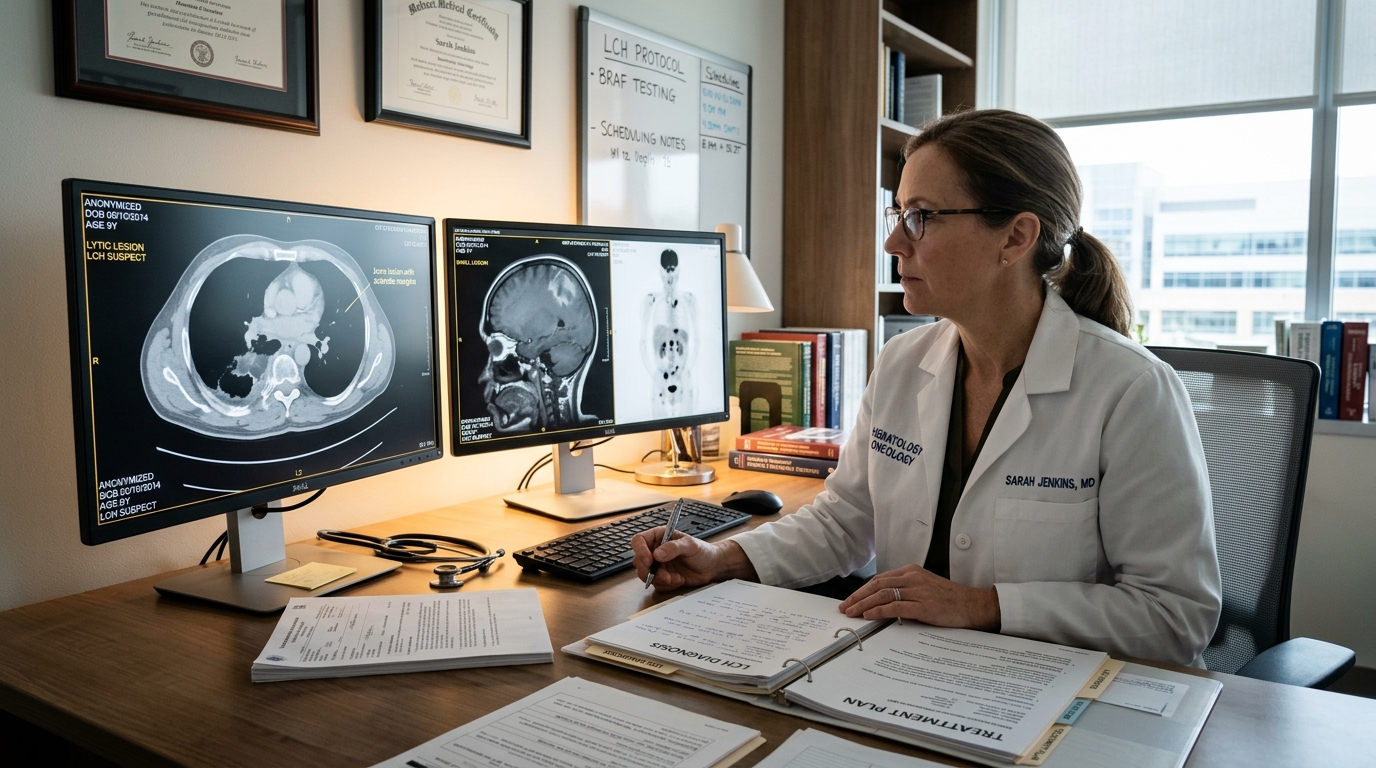
Verified photographic and clinical reference illustrating presentation, affected anatomy, or clinical evaluation of Langerhans Cell Histiocytosis.
Emergency Warning Signs
Seek emergency medical help immediately if you experience any of the following
Emergency Warning Signs
Urgent medical attention may be necessary for symptoms such as:
- Severe difficulty breathing
- Sudden severe chest pain
- Sudden neurological changes
- Severe weakness or confusion
- Significant bleeding
- Other rapidly worsening symptoms
Emergency symptoms should be evaluated through local emergency medical services rather than relying on online medical information.
---
In an emergency, call your local emergency number immediately. Do not delay seeking care.
Overview
Langerhans Cell Histiocytosis (LCH) is a rare disorder in which abnormal Langerhans-type dendritic cells accumulate in tissues and organs, producing inflammation and tissue damage. LCH can affect one organ or multiple organs and can occur at any age, although its presentation and clinical course differ substantially between children and adults.
LCH belongs to a broader group of disorders known as histiocytic disorders. It can involve the skin, bones, lungs, lymph nodes, liver, spleen, bone marrow, pituitary gland, and other organs.
The disease can range from a localized condition that affects a single site and resolves with limited treatment to a multisystem disorder requiring prolonged specialist management.
Quick Facts Summary
| Clinical Parameter | Diagnostic & Epidemiological Detail |
|---|---|
| **Full Condition Name** | Langerhans Cell Histiocytosis |
| **Common Abbreviation** | LCH |
| **Disease Classification** | Histiocytic disorder; Inflammatory myeloid neoplasm (MAPK-driven) |
| **Molecular Hallmark** | Activating somatic mutations in MAPK/ERK pathway (BRAF V600E in ~50–60%, MAP2K1) |
| **Target Organ Systems** | Bone (most common: ~80%), skin, lungs, pituitary gland, liver, spleen, bone marrow |
| **Age Distribution** | Bimodal presentation: Peak incidence in children aged 1–3 years; recognized adult forms (often isolated pulmonary) |
| **Multisystem Potential** | Yes — stratified into Single-System (SS-LCH) and Multisystem (MS-LCH) |
| **Risk Organs (High Risk)** | Liver, Spleen, Bone Marrow / Hematopoietic system |
| **Diagnostic Gold Standard** | Histopathological tissue biopsy + Immunohistochemistry positive for CD1a and CD207 (Langerin) |
| **Standard First-Line Therapy** | Local curettage/intralesional steroids (isolated bone); Vinblastine + Prednisone (multisystem); BRAF/MEK inhibitors (refractory/BRAF+) |
| **Multidisciplinary Care** | Pediatric/Adult Hematologist-Oncologist, Radiologist, Endocrinologist, Pulmonologist, Dermatologist, Orthopedic Surgeon |
What Is It?
What Is Langerhans Cell Histiocytosis?
Langerhans Cell Histiocytosis is a disorder characterized by the abnormal accumulation and proliferation of Langerhans-type cells in affected tissues.
These abnormal cells can release inflammatory substances and interact with surrounding immune cells. The resulting inflammatory response can damage normal tissue and interfere with the normal function of the affected organ.
LCH does not behave identically in every patient. Some people have disease limited to one location, while others have disease involving several organs.
Because the manifestations are so variable, LCH is best understood as a spectrum of disease rather than a single uniform clinical condition.
---
Why Does LCH Occur?
The exact cause of LCH is not completely understood.
Research has identified abnormalities in signaling pathways involved in cell growth and survival in many cases of LCH. Alterations involving the MAPK signaling pathway are particularly important.
A frequently identified molecular abnormality is a mutation involving the BRAF gene, although other mutations affecting the same signaling pathway can also occur.
These molecular changes can cause abnormal cells to survive, multiply, migrate into tissues, and produce inflammatory effects.
Importantly, finding a molecular alteration does not mean that every patient has the same clinical disease or requires the same treatment.
---
Is LCH Cancer?
LCH has characteristics that overlap with both inflammatory and neoplastic disorders.
Historically, there has been debate about how LCH should be classified. Modern research has demonstrated recurrent genetic alterations and clonal cell populations in many cases, supporting a neoplastic component.
However, the biological behavior of LCH varies considerably.
Some forms can resolve spontaneously, whereas aggressive multisystem disease can cause serious organ dysfunction.
Therefore, LCH is generally discussed within the field of histiocytic disorders, with treatment decisions based on disease extent, risk-organ involvement, molecular findings and the patient's clinical condition.
---
Who Can Develop LCH?
LCH can occur in:
- Infants
- Children
- Adolescents
- Young adults
- Older adults
The pattern of disease can differ with age.
In children, LCH may involve bones, skin, lymph nodes, lungs, liver, spleen, bone marrow and the pituitary/hypothalamic region.
In adults, pulmonary LCH is particularly associated with smoking, although LCH can affect many other organs as well.
Age alone does not determine the severity of disease.
---
Types and Patterns of LCH
LCH can be classified according to how many organs or systems are affected.
1. Single-System LCH
Disease is restricted to one organ or organ system.
Examples include:
- Bone-only LCH
- Skin-only LCH
- Lung-only LCH
- Lymph-node-only LCH
Single-system disease may have a relatively favorable course in many patients, although certain locations require careful monitoring.
---
2. Multisystem LCH
Multisystem LCH involves two or more organ systems.
Possible sites include:
- Bone
- Skin
- Lymph nodes
- Lungs
- Liver
- Spleen
- Bone marrow
- Pituitary gland
- Central nervous system
Multisystem disease requires a more extensive evaluation because the consequences depend heavily on which organs are involved.
---
Risk Organs
Some organs are particularly important when determining disease severity and treatment strategy.
The traditionally recognized risk organs include:
Liver
Liver involvement can produce:
- Abnormal liver enzymes
- Cholestasis
- Enlargement of the liver
- Impaired bile flow
- Progressive liver dysfunction
- In advanced cases, chronic liver damage
---
Spleen
Spleen involvement can result in:
- Enlarged spleen
- Low blood-cell counts
- Increased vulnerability to certain complications
- Abdominal discomfort
---
Bone Marrow / Hematopoietic System
Bone marrow involvement may interfere with blood-cell production.
Possible findings include:
- Anemia
- Low platelet count
- Low white blood-cell count
- Fatigue
- Increased susceptibility to infection
- Easy bruising or bleeding
---
Signs & Symptoms
Common Signs and Symptoms
Symptoms depend on which organs are affected.
Bone Involvement
Bone disease is one of the common manifestations of LCH.
Possible symptoms include:
- Localized bone pain
- Tenderness
- Swelling
- A lump over an affected bone
- Reduced movement when a nearby joint is involved
- Headache when skull bones are affected
Imaging may reveal characteristic bone lesions.
---
Skin Involvement
Skin LCH can produce:
- Rash
- Red or brownish lesions
- Scaly areas
- Crusting
- Persistent irritation
- Lesions in skin folds
- Scalp involvement
Because many skin disorders can look similar, persistent or unusual lesions may require specialist evaluation and sometimes biopsy.
---
Lung Involvement
Pulmonary LCH primarily occurs in adults and has a strong association with cigarette smoking.
Symptoms may include:
- Persistent cough
- Shortness of breath
- Reduced exercise tolerance
- Chest discomfort
Some patients may have relatively few symptoms despite abnormalities on imaging.
A rare but important complication is pneumothorax, in which air escapes into the space around the lung and causes partial or complete lung collapse.
---
Lymph Node Involvement
Lymph-node LCH can cause:
- Enlarged lymph nodes
- A painless lump
- Local discomfort
Lymph-node enlargement has many possible causes, so LCH cannot be diagnosed from enlarged lymph nodes alone.
---
Pituitary and Hormonal Involvement
LCH can affect the hypothalamic-pituitary region.
One important manifestation is diabetes insipidus, which can cause:
- Excessive thirst
- Frequent urination
- Large amounts of dilute urine
- Night-time urination
Other pituitary hormone abnormalities can also occur.
Because endocrine complications can sometimes persist even after other aspects of LCH are controlled, long-term monitoring may be necessary.
---
Gastrointestinal and Liver Manifestations
When the liver or gastrointestinal system is affected, symptoms may include:
- Abdominal discomfort
- Enlarged liver
- Abnormal liver-function tests
- Jaundice
- Itching
- Poor appetite
- Digestive symptoms
Liver involvement can be particularly important because progressive disease may result in significant long-term organ damage.
---
Blood and Bone-Marrow Manifestations
If LCH affects the hematopoietic system, laboratory abnormalities can include:
- Low hemoglobin
- Low platelet count
- Low white-cell count
- Abnormal blood-cell production
A patient may therefore present with symptoms such as:
- Fatigue
- Weakness
- Recurrent infections
- Easy bruising
- Bleeding
These findings are not specific to LCH and require appropriate medical investigation.
---
Photographic reference illustrating physical presentation, clinical signs, and symptomatic manifestations in patients with Langerhans Cell Histiocytosis.
Causes
Why Does LCH Occur?
The exact cause of LCH is not completely understood.
Research has identified abnormalities in signaling pathways involved in cell growth and survival in many cases of LCH. Alterations involving the MAPK signaling pathway are particularly important.
A frequently identified molecular abnormality is a mutation involving the BRAF gene, although other mutations affecting the same signaling pathway can also occur.
These molecular changes can cause abnormal cells to survive, multiply, migrate into tissues, and produce inflammatory effects.
Importantly, finding a molecular alteration does not mean that every patient has the same clinical disease or requires the same treatment.
---
Is LCH Genetic?
Most LCH cases are not inherited in the straightforward manner of a classic familial genetic disease.
Instead, many cases involve acquired genetic alterations that arise in cells during a person's lifetime.
The specific molecular findings can vary between patients.
A genetic or molecular test performed on LCH tissue may therefore be useful for understanding the biology of the disease and, in selected cases, guiding treatment.
---
Smoking and Pulmonary LCH
For adults with pulmonary LCH, stopping cigarette smoking is a major component of management.
Smoking is strongly associated with pulmonary LCH and continued exposure can contribute to ongoing lung injury.
Smoking cessation should be approached as part of medical care rather than simply as a lifestyle suggestion.
People who smoke should discuss appropriate cessation support with a healthcare professional.
---
LCH Is Not Contagious
LCH is not an infectious disease that spreads from one person to another.
It is not transmitted through:
- Casual contact
- Food
- Water
- Coughing
- Touch
- Ordinary household interaction
---
Risk Factors
MAPK/ERK Pathway Driver Mutations
Somatic activating mutations, most notably BRAF V600E (~55%) and MAP2K1, in hematopoietic precursor dendritic cells.
Cigarette Smoking (Pulmonary LCH)
Strongest environmental risk factor; over 90% of adults presenting with isolated pulmonary LCH are active or former cigarette smokers.
Early Age of Onset (<2 Years)
Infants and toddlers under 2 years of age have a significantly higher risk of multisystem involvement and risk-organ disease.
Complications
Possible Complications
Complications depend on the organs involved.
Potential complications include:
- Chronic bone problems
- Recurrent disease
- Lung-function impairment
- Pneumothorax
- Diabetes insipidus
- Other pituitary hormone abnormalities
- Liver dysfunction
- Spleen enlargement
- Abnormal blood counts
- Neurological complications
- Growth or developmental problems in children
- Long-term endocrine problems
Not every patient develops these complications.
---
LCH and the Nervous System
LCH can involve the central nervous system or structures associated with the hypothalamic-pituitary region.
Possible manifestations include:
- Diabetes insipidus
- Hormonal abnormalities
- Balance or coordination problems
- Cognitive or neurological changes in selected cases
Neurological manifestations require specialist assessment because several different mechanisms and conditions can produce similar symptoms.
---
Central Diabetes Insipidus
severeInfiltration of the pituitary infundibulum causing deficiency of antidiuretic hormone (vasopressin), leading to excessive thirst and urination.
Neurodegenerative CNS Disease (ND-LCH)
severeLate progressive cerebellar ataxia, dysarthria, tremors, and cognitive decline developing years after initial presentation.
Recurrent Spontaneous Pneumothorax
severeRupture of thin-walled pulmonary cysts resulting in sudden lung collapse and acute dyspnea, particularly in adult smokers.
Liver Cirrhosis & Sclerosing Cholangitis
severeInfiltration of intrahepatic bile ducts causing progressive periductal fibrosis, portal hypertension, and end-stage liver failure.
Pathologic Bone Fractures & Vertebra Plana
moderateOsteolytic destruction weakening weight-bearing bones or spinal vertebrae, causing structural collapse and spinal curvature.
Diagnosis
How LCH Is Diagnosed
There is no single symptom or routine blood test that can reliably diagnose LCH.
Diagnosis generally combines:
1. Medical history
2. Physical examination
3. Laboratory testing
4. Imaging
5. Tissue examination
6. Immunohistochemical studies
7. Molecular testing when appropriate
---
Biopsy
A biopsy may be necessary to establish the diagnosis.
During a biopsy, a small sample of affected tissue is obtained and examined by a pathologist.
The tissue can be evaluated for characteristic Langerhans-type cells and appropriate immunohistochemical markers.
Markers commonly associated with LCH include:
- CD1a
- Langerin (CD207)
- S100
The exact diagnostic workup depends on the tissue involved and the clinical circumstances.
A biopsy should be interpreted in the context of the patient's clinical and radiological findings.
---
Laboratory Tests
Depending on the suspected extent of disease, clinicians may request:
- Complete blood count (CBC)
- Liver-function tests
- Kidney-function tests
- Electrolytes
- Inflammatory markers when clinically appropriate
- Hormonal testing
- Urine studies
- Additional biochemical testing
Laboratory testing is used both for diagnosis and for assessing organ function.
---
Imaging Tests
Imaging plays an important role in identifying affected organs.
Possible investigations include:
X-ray
May help identify characteristic bone lesions.
Ultrasound
Can be useful for evaluating:
- Liver
- Spleen
- Lymph nodes
- Other abdominal structures
CT Scan
CT may provide detailed evaluation of:
- Bones
- Lungs
- Chest structures
- Abdomen
- Other organs
MRI
MRI is particularly useful when evaluating:
- Brain
- Pituitary region
- Central nervous system
- Certain bone lesions
- Soft tissues
PET/CT
In selected cases, metabolic imaging may help identify active disease sites and assess disease distribution.
The choice of imaging should be individualized rather than performed indiscriminately.
---
Pulmonary LCH Evaluation
When lung involvement is suspected, evaluation may include:
- Chest X-ray
- High-resolution CT of the chest
- Pulmonary-function testing
- Oxygen assessment
- Detailed smoking history
High-resolution CT can demonstrate characteristic patterns involving the small airways and lung tissue.
Pulmonary-function tests can help determine how lung function is affected and can be useful during follow-up.
---
Endocrine Evaluation
Patients with suspected pituitary or hypothalamic involvement may need assessment of:
- Water balance
- Urine concentration
- Sodium levels
- Pituitary hormones
- Thyroid function
- Adrenal function
- Growth-related hormones when appropriate
- Pubertal development in children
Patients with symptoms suggesting diabetes insipidus or other endocrine dysfunction should be evaluated by an appropriate specialist.
---
Medical Evaluation Pathway
A typical evaluation may follow this general pathway:
Symptoms or abnormal finding
↓
Medical history and physical examination
↓
Initial laboratory testing
↓
Imaging based on suspected organ involvement
↓
Biopsy when required
↓
Pathology and immunohistochemistry
↓
Molecular testing when clinically appropriate
↓
Assessment for single-system vs multisystem disease
↓
Assessment for important/risk-organ involvement
↓
Individualized treatment plan
↓
Long-term monitoring
This pathway is not identical for every patient.
---
Common Tests & Procedures
Biopsy with CD1a & CD207 (Langerin) Staining
Purpose: Diagnostic confirmation
Gold standard histological examination of affected bone, skin, or lymph tissue with immunohistochemistry demonstrating CD1a and CD207 (Langerin) positivity.
BRAF V600E & MAPK Mutation Analysis
Purpose: Molecular characterization
Genomic testing of biopsy tissue to identify BRAF V600E or MAP2K1 somatic mutations to guide targeted inhibitor therapy.
Complete Skeletal Radiographic Survey
Purpose: Staging bone involvement
Full radiographic survey of skull, spine, pelvis, and long bones to identify osteolytic "punched-out" bone lesions.
High-Resolution Chest CT (HRCT)
Purpose: Pulmonary evaluation
Evaluates bilateral nodular and cystic pulmonary lesions in the upper and middle lung zones, particularly in adult smokers.
Brain and Sella MRI with Contrast
Purpose: CNS & Pituitary assessment
High-resolution imaging to detect pituitary stalk thickening, loss of posterior pituitary bright spot (diabetes insipidus), or neurodegenerative CNS changes.
Complete Blood Count & Liver Enzymes
Purpose: Risk organ assessment
Evaluates bone marrow suppression (cytopenias), hypoalbuminemia, and elevated transaminases/bilirubin indicating high-risk organ involvement.
Treatment & Management
Treatment of LCH
Treatment depends on:
- Age
- Number of organs involved
- Disease severity
- Presence or absence of risk-organ involvement
- Location of lesions
- Previous treatment
- Molecular findings
- Response to therapy
There is no single treatment that is appropriate for every person with LCH.
---
Observation and Monitoring
Some limited forms of LCH may be managed initially with observation and regular follow-up.
This approach may be considered when the disease is localized, stable, or expected to have a favorable course.
Monitoring can include:
- Physical examinations
- Blood tests
- Imaging
- Organ-function assessment
- Endocrine evaluation
- Pulmonary-function testing when appropriate
Observation does not mean ignoring the disease. It means actively monitoring it and treating when clinically indicated.
---
Local Treatment
Localized disease may sometimes be treated with therapies directed at the affected site.
Depending on the location and circumstances, options can include:
- Surgical management
- Local corticosteroid treatment
- Local procedures
- Carefully selected radiotherapy in specific situations
The benefits and risks of local therapy must be assessed by the treating specialist.
---
Systemic Therapy
When disease is extensive, multisystem, progressive, or involves important organs, systemic treatment may be required.
Depending on the patient's age and disease characteristics, treatment approaches may include:
- Chemotherapy-based regimens
- Targeted therapies
- Corticosteroid-containing treatment
- Other specialist-directed systemic therapies
The exact regimen varies substantially between pediatric and adult patients.
---
Targeted Therapy
Because many LCH cases involve alterations in the MAPK pathway, targeted therapies can be important in selected patients.
Depending on the molecular abnormality, specialist teams may consider therapies directed at:
- BRAF
- MEK
- Related MAPK-pathway signaling
Molecular testing can therefore provide clinically useful information in selected patients, especially when disease is refractory, recurrent, severe, or difficult to treat.
Targeted medicines require specialist supervision because they can have significant adverse effects and monitoring requirements.
---
Multidisciplinary Care
Because LCH can affect several organ systems, treatment may involve multiple specialists.
Depending on the patient's presentation, the care team may include:
- Hematologist
- Oncologist
- Pediatric hematologist/oncologist
- Pulmonologist
- Endocrinologist
- Dermatologist
- Radiologist
- Pathologist
- Neurologist
- Orthopedic specialist
- Gastroenterologist/hepatologist
- Other organ-specific specialists
The exact team depends on the organs involved.
---
Treatment Options
Vinblastine & Prednisone Chemotherapy
Standard international frontline protocol (Histiocyte Society LCH-IV) for multisystem LCH or multifocal bone disease.
Targeted BRAF Inhibitors (Dabrafenib, Vemurafenib)
Oral small-molecule kinase inhibitors highly effective for refractory, relapsed, or severe BRAF V600E-mutated multisystem or neurodegenerative LCH.
Intralesional Corticosteroid Injection
Direct injection of methylprednisolone into isolated, symptomatic bone lesions to promote re-ossification and relieve pain.
Surgical Curettage or Biopsy Debridement
Gentle surgical curettage of accessible, isolated bone lesions; extensive resection is avoided to prevent skeletal morbidity.
Strict Smoking Cessation
Essential primary intervention for adult pulmonary LCH; complete smoking cessation can lead to spontaneous regression of lung nodules.
Endocrine Hormone Replacement (Desmopressin)
Lifelong synthetic DDAVP replacement for central diabetes insipidus resulting from pituitary stalk infiltration.
Important: Treatment decisions should always be made in consultation with a qualified healthcare professional. Do not start, stop, or change medications without medical guidance.
Living With This Condition
LCH in Children
Children with LCH may present with:
- Bone lesions
- Skin rash
- Ear or skull involvement
- Enlarged lymph nodes
- Liver or spleen involvement
- Fever
- Blood-count abnormalities
- Endocrine abnormalities
Pediatric LCH is usually managed through specialized multidisciplinary teams.
Growth, development, endocrine function, and long-term organ health may need continued monitoring even after the active disease has been controlled.
---
LCH in Adults
Adult LCH has a somewhat different clinical pattern.
Pulmonary LCH is particularly important in adults and is strongly associated with smoking.
Adults can also develop:
- Bone disease
- Skin disease
- Pituitary involvement
- Multisystem LCH
- Lymph-node disease
Treatment is individualized according to disease distribution and severity.
---
Prognosis
The outlook for LCH varies widely.
Factors that influence prognosis include:
- Age
- Number of organs involved
- Whether risk organs are affected
- Response to initial therapy
- Disease recurrence
- Degree of organ damage
- Presence of chronic endocrine or pulmonary complications
Localized single-system disease can have an excellent outcome in many patients.
Multisystem disease involving high-risk organs requires closer monitoring and more intensive management.
Importantly, controlling active LCH does not always reverse damage that has already occurred. For example, some endocrine complications may persist even after the active disease is no longer detectable.
---
Can LCH Come Back?
Yes.
LCH can recur after an initial response to treatment.
Recurrence may involve:
- The same organ
- A different organ
- A new disease manifestation
For this reason, long-term follow-up can be important.
The appropriate monitoring schedule depends on the patient's previous disease pattern and treatment.
---
Long-Term Follow-Up
Follow-up may include monitoring for:
- New symptoms
- Recurrent disease
- Blood abnormalities
- Liver function
- Lung function
- Bone abnormalities
- Endocrine dysfunction
- Growth and development in children
- Neurological changes
Patients who have previously had LCH should inform healthcare professionals about their history when new unexplained symptoms develop.
---
Living With LCH
Living with LCH can involve both short-term treatment and long-term monitoring.
Important aspects of care may include:
- Attending scheduled follow-up appointments
- Completing recommended laboratory tests
- Monitoring organ function
- Following treatment instructions
- Reporting new symptoms
- Maintaining appropriate vaccination and preventive care according to the treating team
- Avoiding smoking when pulmonary LCH is present
- Maintaining appropriate physical activity according to medical advice
Patients and families may benefit from multidisciplinary care because LCH can affect several different organ systems.
---
Key Takeaways
- LCH stands for Langerhans Cell Histiocytosis.
- It is a rare disorder involving abnormal Langerhans-type cells.
- LCH can affect one organ or multiple organs.
- Bones, skin, lungs, lymph nodes, pituitary structures, liver, spleen and blood-forming tissues can be affected.
- Diagnosis may require imaging, laboratory studies and biopsy.
- Molecular abnormalities involving the MAPK pathway are common in LCH.
- BRAF alterations are found in a substantial proportion of cases.
- Treatment depends on disease extent and severity.
- Pulmonary LCH in adults has a strong association with smoking.
- Some complications, particularly endocrine complications, can persist after active disease has been controlled.
- Long-term follow-up may be necessary.
---
When to Seek Medical Help
When to Contact a Healthcare Professional
Do not delay seeking medical care if needed
When Should Someone Seek Medical Attention?
Medical evaluation is appropriate for persistent or unexplained symptoms such as:
- Persistent bone pain
- Unexplained swelling or lumps
- Persistent unusual skin lesions
- Ongoing cough or breathing difficulty
- Excessive thirst and urination
- Unexplained fatigue
- Recurrent infections
- Unexplained bruising or bleeding
- Persistent abdominal enlargement or discomfort
- Unexplained neurological symptoms
These symptoms do not mean a person has LCH. They can occur with many other conditions.
---
Differential Diagnosis
Because LCH can affect many organs, it may initially resemble other diseases.
Depending on the presentation, doctors may need to distinguish LCH from conditions such as:
- Infection
- Other inflammatory disorders
- Autoimmune disease
- Bone tumors
- Metastatic disease
- Other histiocytic disorders
- Hematological disorders
- Other dermatological conditions
- Other causes of pituitary dysfunction
This is one reason tissue diagnosis and specialist interpretation can be important.
---
Questions to Ask Your Doctor
Questions to Ask Your Doctor
Bring this list to your next appointment
- What diagnostic findings or biopsy markers confirm that this is Langerhans Cell Histiocytosis?
- Has tissue testing been performed for somatic driver mutations, specifically the BRAF V600E or MAP2K1 mutation?
- Is the condition localized to a single site/organ (Single-System LCH) or has it spread to multiple organs (Multisystem LCH)?
- Are any critical risk organs involved, specifically the liver, spleen, or bone marrow?
- Has an endocrine screening been performed to evaluate the pituitary gland for diabetes insipidus or growth hormone deficiency?
- For bone lesions, is active therapy required or is observation / curettage / local corticosteroid injection sufficient?
- What are the benefits and potential side effects of standard systemic therapy (vinblastine and prednisone) compared to targeted BRAF/MEK inhibitors?
- What routine imaging (skeletal survey, MRI, CT, PET/CT) will be scheduled during follow-up to monitor response and check for recurrence?
- What symptoms or warning signs should prompt urgent contact with the oncology or specialty team between visits?
- Are there specialized patient registries or clinical trials available for this specific presentation of LCH?
Frequently Asked Questions
What does LCH stand for?
LCH most commonly stands for Langerhans Cell Histiocytosis in this medical context.
Is LCH rare?
Yes. LCH is considered a rare disorder.
Can adults get LCH?
Yes. LCH can occur in adults as well as children.
Can LCH affect the bones?
Yes. Bone involvement is a common manifestation of LCH.
Can LCH affect the lungs?
Yes. Pulmonary LCH occurs particularly in adults and is strongly associated with cigarette smoking.
Can LCH affect the brain?
LCH can affect the hypothalamic-pituitary region and, less commonly, other parts of the nervous system.
What test confirms LCH?
A biopsy demonstrating characteristic LCH cells with appropriate immunohistochemical findings is often important for confirmation, although the exact diagnostic pathway depends on the clinical situation.
Is there a cure for LCH?
There is no single universal treatment or outcome. Some forms can resolve or become inactive, while other forms require systemic treatment and long-term monitoring.
Can LCH return after treatment?
Yes. Recurrence can occur, which is why follow-up may be necessary.
Is LCH cancer?
LCH has neoplastic characteristics in many cases, including recurrent molecular alterations, but its behavior differs from conventional cancers. It is generally classified among histiocytic disorders.
Does smoking cause all LCH?
No. Smoking is particularly associated with pulmonary LCH, but it does not explain all forms of LCH.
---
Medical Disclaimer
Medi Info Hub provides general health information for educational purposes only. The information on this website is not medical advice and is not a substitute for diagnosis, treatment, or consultation with a qualified healthcare professional. Do not delay seeking medical care because of information found on this website. In an emergency, contact your local emergency services immediately.